
Fuel Security Plan: Australia's $10B Shield for Aviation and Tourism
Australia launches $10 billion fuel security plan in 2026 to boost jet fuel reserves to 50 days, protecting aviation and tourism from global supply disruptions and geopolitical shocks.

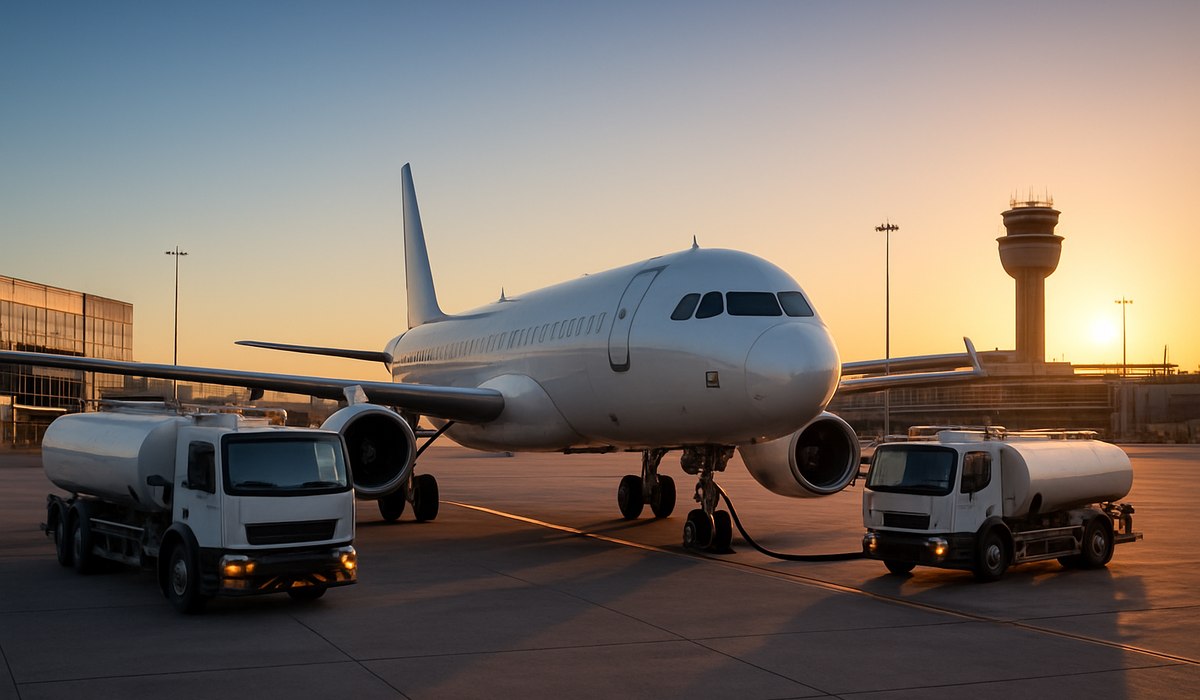
Image generated by AI
Australia's Historic $10 Billion Fuel Security Plan Unveils Protection for Travelers
Australia has introduced a transformative $10 billion fuel security plan designed to shield the nation's aviation and tourism sectors from global supply disruptions. The Federal Government's comprehensive Australian Fuel Security and Resilience package targets a critical vulnerability: jet fuel availability during international crises. By establishing a permanent government-owned fuel reserve of approximately one billion litres and mandating stricter fuel stockholding requirements, the initiative aims to elevate Australia's jet fuel reserves to a minimum of 50 days of supply. This protective measure arrives amid ongoing geopolitical tensions affecting global fuel markets, particularly disruptions stemming from Middle East conflicts that have previously destabilized aviation operations worldwide.
The fuel security plan addresses a persistent concern for travelers: flight cancellations and service reductions caused by fuel shortages. Airlines and airports across the globe have repeatedly confronted fuel volatility in recent years, with supply chain interruptions threatening connectivity and tourism confidence. Australia's response signals a commitment to maintaining stable air travel infrastructure regardless of international circumstances.
Government's $10 Billion Fuel Security Package Unveiled
The Federal Government's allocation strategy reflects a multifaceted approach to fuel resilience. The package distributes funds across three primary initiatives: $7.5 billion toward a Fuel and Fertiliser Security Facility supporting domestic supply and storage projects, $3.2 billion dedicated to establishing the Australian Fuel Security Reserve, and $10 million earmarked for research into expanded refining capabilities.
Industry experts emphasize that this fuel security plan represents Australia's acknowledgment of energy vulnerability in an increasingly unpredictable global marketplace. The government's decision to create a permanent fuel reserve demonstrates long-term strategic thinking rather than reactive crisis management. Progressive rollout of these measures will occur alongside infrastructure investments in new and upgraded storage facilities, with comprehensive details expected during the Federal Budget announcement.
The fuel security plan also establishes elevated minimum stockholding obligations for aviation fuel, compelling industry participants to maintain heightened reserves. This regulatory framework ensures that individual operators maintain sufficient buffers against sudden supply interruptions, reducing dependency on government intervention during emergencies.
Aviation and Tourism Industries Back the Plan
The Australian Airports Association (AAA) and Tourism & Transport Forum (TTF) have expressed strong support for the fuel security plan, recognizing its potential to stabilize operations and restore traveler confidence. AAA CEO Simon Westaway highlighted that recent global instability had demonstrated the critical importance of domestic fuel resilience.
"These measures represent an important step toward strengthening fuel supplies and maintaining confidence in Australia's aviation sector," Westaway stated, emphasizing that increased jet fuel stockholding requirements would help manage future supply disruptions while preserving connectivity for communities and regional tourism.
The TTF echoed this sentiment, with CEO Margy Osmond noting that fuel certainty significantly influences travel behavior. Osmond revealed that growing hesitation around fuel availability has already discouraged Australians from booking longer road trips, particularly to remote and regional destinations. By implementing this fuel security plan, the government addresses a psychological barrier preventing travelers from exploring Australia's interior regions with confidence.
Both organizations emphasized that fuel security extends beyond aviation to encompass road travel infrastructure. The TTF, Accommodation Australia, and Caravan Industry Association collectively advocated for a national fuel information platform providing real-time price and availability data across state boundaries.
Strengthening Jet Fuel Reserves and Storage Infrastructure
The jet fuel reserves component represents the fuel security plan's aviation-specific achievement. Expanding Australia's jet fuel reserves to 50 days exceeds many international benchmarks and positions the nation as resilient against extended supply disruptions. This strategic buffer allows airlines to maintain scheduled operations even during periods of global fuel market instability.
Expanding storage infrastructure forms the practical foundation of this fuel security plan. New and upgraded facilities will distribute reserves geographically, ensuring regional airports maintain adequate supplies for regional connectivity. Storage diversification prevents concentration risk, where single-location disruptions might compromise national aviation capacity.
The fuel security plan's requirement for higher minimum stockholding obligations at individual airports and fuel depots creates a distributed resilience model. Rather than centralizing reserves in few locations, this approach embeds fuel security throughout Australia's aviation network, from major international hubs to smaller regional ports.
Sustainable Aviation Fuel as Long-Term Strategy
The AAA and broader industry recognize that sustainable aviation fuel (SAF) represents the fuel security plan's evolutionary endpoint. While current measures focus on traditional jet fuel reserves, SAF development addresses both emissions reduction and energy sovereignty simultaneously.
Westaway emphasized that "building sovereign fuel capability through SAF is not only an emissions reduction opportunity, but also an important resilience and economic security measure for Australia." This perspective positions the fuel security plan as a transitional framework toward long-term energy independence.
The $10 million allocated for refining capability studies within the fuel security plan recognizes Australia's potential to develop domestic SAF production. By investing in technical research and infrastructure assessment, the government lays groundwork for future aviation fuel self-sufficiency. This strategic thinking extends beyond immediate crisis response to encompass generational energy security.
Impact on Travelers and Regional Tourism
Industry leaders stress that the fuel security plan directly benefits travelers through enhanced flight reliability and expanded destination access. When fuel availability uncertainty diminishes, travelers confidently book trips to regional destinations where air access proves economically marginal during supply disruptions.
Regional tourism operators particularly benefit from the fuel security plan's protections. Remote accommodation, adventure tourism, and regional hospitality businesses depend entirely on reliable aircraft connectivity. Supply disruptions historically result in sudden cancellations that devastate regional tourism operators' revenue and reputation.
The fuel security plan also supports road trip confidence for Australian domestic travelers. By establishing broader fuel market stability, the government encourages longer journeys into remote areas where fuel station density remains low. This psychological restoration of travel confidence translates into measurable economic benefits for regional communities.
Key Data Table: Australia's Fuel Security Plan Overview
| Component | Allocation | Primary Purpose | Expected Impact |
|---|---|---|---|
| Fuel and Fertiliser Security Facility | $7.5 billion | Supply and storage projects | Expanded national storage capacity |
| Australian Fuel Security Reserve | $3.2 billion | Permanent government reserve | 1 billion litre strategic buffer |
| Refining Capability Studies | $10 million | Research and assessment | Foundation for future SAF development |
| Jet Fuel Reserve Target | 50 days | Minimum stockholding requirement | Extended operational resilience |
| Storage Infrastructure | Progressive investment | New and upgraded facilities | Geographic distribution of reserves |
| Government Reserve Volume | 1 billion litres | Strategic petroleum reserve | Emergency supply during disruptions |
| Industry Collaboration | AAA, TTF, industry partners | Stakeholder engagement | Coordinated implementation approach |
What This Means for Travelers
The fuel security plan introduces tangible benefits for anyone planning travel to, from, or within Australia.
-
Enhanced Flight Reliability: With jet fuel reserves expanded to 50 days, international and domestic flights face reduced cancellation risk during global fuel market disruptions. This improvement particularly benefits long-haul travelers dependent on fuel availability for intercontinental routes.
-
Regional Destination Accessibility: Remote and regional areas will experience more consistent air service as fuel security eliminates temporary supply bottlenecks. Travelers planning trips to Tasmania, Northern Territory, or outback Queensland can book with greater confidence.
-
Tourism Confidence Restoration: The fuel security plan signals government commitment to stable travel infrastructure, encouraging hesitant travelers to book longer journeys and regional adventures previously postponed due to fuel uncertainty concerns.
-
Road Trip Feasibility: Improved overall fuel market stability extends beyond aviation to road travel infrastructure. Australians planning extended road trips through remote areas can proceed with confidence in fuel availability.
-
Price Stability Potential: Strategic fuel reserves may moderate price volatility during supply disruptions, potentially stabilizing travel costs when global fuel markets spike unexpectedly.
FAQ: Fuel Security Plan and Travel Impact
What triggers use of the Australian Fuel Security Reserve?
The government reserve activates during significant supply disruptions when commercial fuel supplies
Disclaimer
This article is for informational and educational purposes only. It does not constitute legal, financial, or professional advice. While we strive to provide accurate and up-to-date information, travel policies, regulations, and conditions change rapidly. Always verify information with official sources before making travel decisions. Nomad Lawyer makes no representations about the accuracy, reliability, completeness, or suitability of the information provided. Readers should consult qualified professionals for advice specific to their circumstances. The views expressed in this article are those of the author and do not necessarily reflect the views of Nomad Lawyer.
Preeti Gunjan
Contributor & Community Manager
A passionate traveller and community builder. Preeti helps grow the Nomad Lawyer community, fostering engagement and bringing the reader experience to life.
Learn more about our team →