France and South Korea Partner on Strait of Hormuz Security to Safeguard Global Travel and Aviation in 2026

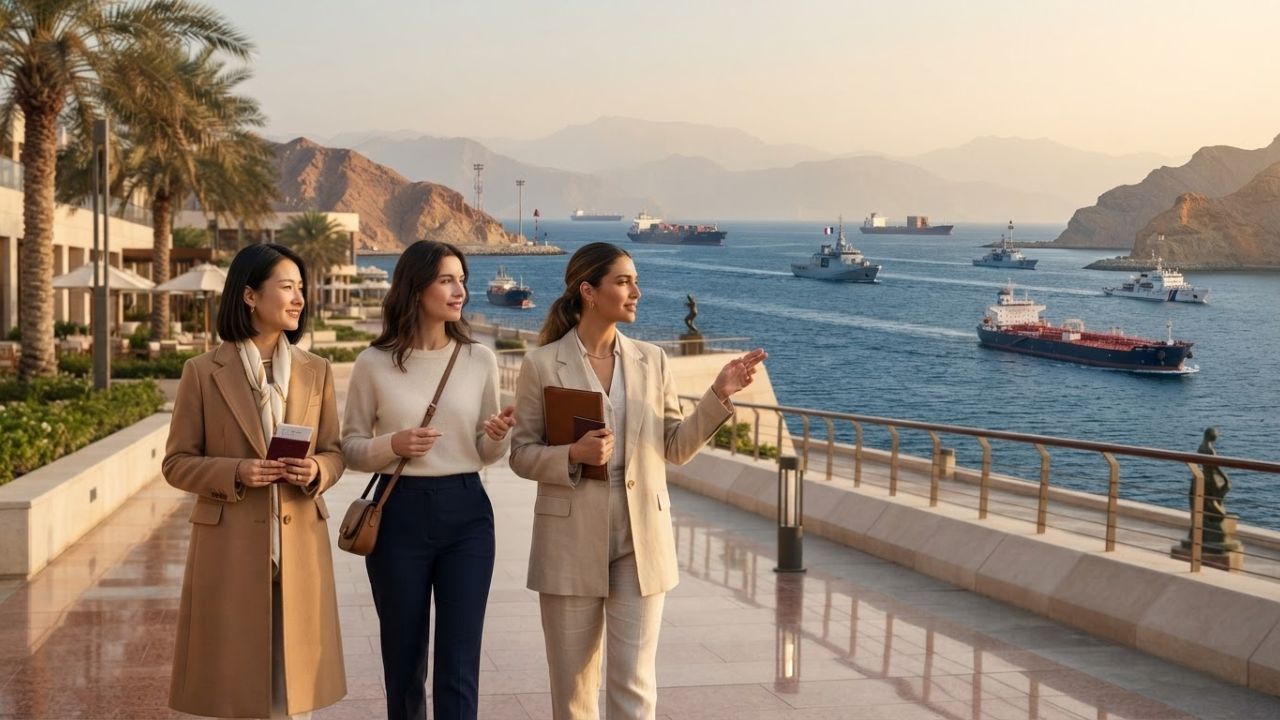
Strategic cooperation between France and South Korea to secure freedom of navigation through the Strait of Hormuz is set to bolster global travel and aviation confidence throughout 2026. Following high-level summit talks in Paris between French President Emmanuel Macron and South Korean President Lee Jae Myung, both nations agreed to coordinate international maritime security efforts in the vital sea corridor connecting the Persian Gulf and Gulf of Oman. While focused on trade and energy flows, the agreement provides critical stability for international aviation fuel prices, cruise operations, hotel supply chains, and Asia-Europe tourism connectivity.
[PARIS, France & SEOUL, South Korea] — High-level bilateral discussions between French President Emmanuel Macron and South Korean President Lee Jae Myung in Paris have established a joint framework to protect freedom of navigation and stabilize global trade routes through the Strait of Hormuz.
Connecting the Persian Gulf with the Gulf of Oman, the Strait of Hormuz is the world's most strategic energy bottleneck. Securing this maritime passage is essential for preventing global fuel price shocks, protecting international shipping lanes, and maintaining consumer confidence across long-haul aviation and cruise tourism markets during 2026.
| Parameter / Diplomatic Metric | Official Output & Strategic Impact |
|---|---|
| Participating Nations | France & South Korea |
| Key Leaders at Summit | President Emmanuel Macron & President Lee Jae Myung |
| Strategic Sea Passageway | Strait of Hormuz (Persian Gulf to Gulf of Oman) |
| Core Strategic Objectives | Freedom of Navigation & Supply Chain Stability |
| South Korea Energy Context | Heavy dependence on Gulf crude oil & naphtha |
| Military Deployment Status | Under review; assessment team sent to UAE |
| Indirect Aviation Impact | Stabilizes jet fuel prices & long-haul fares |
| Hospitality & Tourism Impact | Safeguards hotel supply chains & cruise routes |
The Strategic Importance of the Strait of Hormuz for Global Travel
The Strait of Hormuz serves as the gateway through which approximately one-fifth of the world’s petroleum and liquefied natural gas (LNG) passes. Any instability or blockade in the waterway immediately impacts global transport economics:
- Jet Fuel Tariffs: Aviation fuel represents 25% to 35% of an airline’s operational expenditure. Securing crude oil transport stabilizes jet fuel refining prices, helping carriers avoid emergency fuel surcharges on international tickets.
- Cruise Line Navigation: Maritime security in the Gulf corridor protects cruise operators navigating Arabian Gulf itineraries, Red Sea connections, and Indian Ocean relocations.
- Gulf Aviation Hubs: International hub airports in Dubai, Abu Dhabi, and Doha rely on stable regional airspaces and maritime security to maintain seamless transit connections linking Europe, Asia, and the Americas.
MARITIME SECURITY TO AVIATION CHAIN MECHANISM
| Column 1 |
|---|
| Strait of Hormuz Security ---> Stabilized Crude & Naphtha Freight Flows |
| Lower Airfare Volatility <--- Predictable Jet Fuel Refining Expenses |
| Sector Dimension | Strategic Dependency | Disruption Risk | France–South Korea Joint Mitigation |
|---|---|---|---|
| Aviation Industry | Jet fuel price stability & open flight paths | Surcharges & route detours | Freedom of navigation protects energy supply lines |
| Cruise Operations | Safe maritime transit in Gulf & Oman waters | Itinerary cancellations | Joint naval coordination & intelligence sharing |
| Hotel Logistics | International import of equipment & perishables | Supply chain delays & inflation | UNCTAD-aligned trade lane protection |
| Asia-Europe Travel | Stable hub operations in the Middle East | Traveler cancellation waves | Reassurance of regional security & connectivity |
South Korea’s Energy Security Context and Diplomatic Review
For South Korea, maintaining open sea lanes through the Middle East is a vital national security priority. The Strait of Hormuz handles a dominant portion of South Korea's imported crude oil and naphtha, essential for energy generation and industrial manufacturing.
South Korea’s Strategic Actions:
- Diplomatic Commitment: President Lee Jae Myung affirmed in Paris that South Korea will work alongside France and international partners to restore open navigation quickly.
- Assessment Team in the UAE: South Korea deployed an official assessment team to the United Arab Emirates to evaluate regional maritime security conditions firsthand.
- Deployment Decision Pending: Officials clarified that Seoul has not finalized any troop or naval deployment decisions. Any military participation will require formal executive review and parliamentary approval.
| Action Stage | Status Benchmark |
|---|---|
| Paris Summit Agreement | Completed (Presidents Macron & Lee Jae Myung) |
| UAE Fact-Finding Mission | Deployed to evaluate Gulf security conditions |
| Defense Options Review | Ongoing by Ministry of National Defense |
| Parliamentary Approval Requirement | Mandatory prior to any military deployment |
Indirect Economic Benefits for Tourism in 2026
Although the France-South Korea partnership focuses on geopolitics and maritime security, its indirect positive economic spillover for the global tourism ecosystem is substantial.
1. Jet Fuel Volatility Mitigation
Energy market shocks quickly translate into higher airline ticket prices. By protecting crude oil freight corridors, the alliance helps suppress price spikes in global refined jet fuel (Kerosene Jet A-1), allowing airlines to maintain stable long-haul airfares for 2026/2027 bookings.
2. Safeguarding Hospitality Supply Chains
The United Nations Conference on Trade and Development (UNCTAD) has warned that disruptions in strategic maritime straits disproportionately affect small-to-medium tourism and hospitality enterprises. Hotels, resorts, and restaurants depend on international freight for food items, linen, technology, and construction materials. Stable sea routes prevent supply bottlenecks and operational cost increases.
3. Boosting Long-Haul Travel Confidence
Long-haul travelers from East Asia and Europe evaluate safety, airfare stability, and geopolitical predictability before booking trips. Joint security commitments by major OECD economies reassure international tourists navigating cross-continental itineraries connecting Europe, the Middle East, and Asia.
| Economic Variable | Without Maritime Protection | With Secured Sea Lanes |
|---|---|---|
| Jet Fuel Price Volatility | High spike risk (+20-30%) | Predictable baseline |
| Long-Haul Ticket Prices | Emergency fuel surcharges | Stable consumer rates |
| Hotel Import Logistics | Delayed freight & inflation | Smooth supply chains |
| Traveler Booking Lead | Short-term hesitant bookings | Extended forward plan |
| Beneficiary Sector | Operational Mechanism | Key Outcome for 2026 |
|---|---|---|
| Commercial Airlines | Reduced energy price spikes | Lower likelihood of ticket surcharges |
| Middle East Hubs | Maintained regional security posture | Continued growth in passenger transit numbers |
| International Hotels | Uninterrupted freight channels | Stable room pricing & procurement costs |
| Asia-Europe Routes | Reinforced diplomatic confidence | Sustained double-digit travel growth |
Asia-Europe Connectivity: South Korea and France as Tourism Engines
The partnership between France and South Korea connects two of the world's most prominent tourism markets:
- France: Maintains its position as one of the world's top international tourist destinations, attracting tens of millions of global visitors annually.
- South Korea: Serves as a major high-spending outbound tourism market, with millions of Korean travelers visiting European cultural centers, luxury destinations, and historical landmarks.
Strengthening diplomatic cooperation and securing transit corridors between Europe and Asia reinforces bilateral travel, trade exchanges, and aviation expansion across Middle Eastern connecting routes.
| Market Entity | Global Tourism Position |
|---|---|
| France Destination Market | Top global tourism hub; high European demand |
| South Korea Outbound Market | High-spending international travel market |
| Middle East Transit Corridors | Essential intermediary hub connecting both |
| Maritime Security Objective | Protect underlying energy & transport links |
Why This Matters (Information Gain & Experience)
Geopolitical stability and maritime security are the hidden foundations of global tourism. While travelers focus on ticket prices and destination attractions, airline operating budgets and hotel supply chains depend directly on open sea lanes like the Strait of Hormuz.
The joint commitment by France and South Korea demonstrates how major international powers are taking proactive steps to protect energy corridors, stabilize transport costs, and sustain traveler confidence across global aviation networks in 2026.
Frequently Asked Questions
Why is the Strait of Hormuz important for global travel and tourism?
The Strait of Hormuz carries roughly 20% of global petroleum shipments. Disruptions in the strait drive up crude oil and jet fuel prices, increasing airline operating costs, raising ticket prices, and impacting hotel supply chains.
What did France and South Korea agree to in Paris?
French President Emmanuel Macron and South Korean President Lee Jae Myung agreed to strengthen bilateral cooperation to protect freedom of navigation in the Strait of Hormuz and safeguard global supply chains.
Has South Korea decided to deploy troops to the Strait of Hormuz?
No. South Korean officials clarified that no final decision on troop deployment has been made. An assessment team was sent to the UAE to gather security information, and any future deployment would require parliamentary approval.
How does maritime security affect airline ticket prices?
Secure sea routes prevent spikes in crude oil prices, which directly determines jet fuel costs. When fuel prices remain stable, airlines avoid adding emergency fuel surcharges to passenger tickets.
How does supply chain protection benefit hotels and resorts?
Hotels rely on global shipping networks for food products, specialized equipment, linens, and maintenance parts. Secure maritime routes prevent shipping delays and cost inflation for hospitality businesses.
Related Travel Guides
This article is for informational purposes. Flight routes, passenger regulations, visa rules, and transit advisories are subject to change by airlines and aviation authorities. Readers are advised to verify schedules and travel documentation with relevant carriers and border agencies before departure.
Related Stories

Angola Courts Gulf Capital to Power Tourism Expansion as Portuguese Hospitality Enrolments Surge by 106%