
France Expands Olfactory Tourism Across Grasse Flower Fields alongside Global Scent Trails in Oman, India, and Madagascar for 2026 Travelers
France leads global olfactory tourism in Grasse alongside aromatic botanical routes in Oman's Dhofar, India's Kannauj, and Madagascar's Sava region.
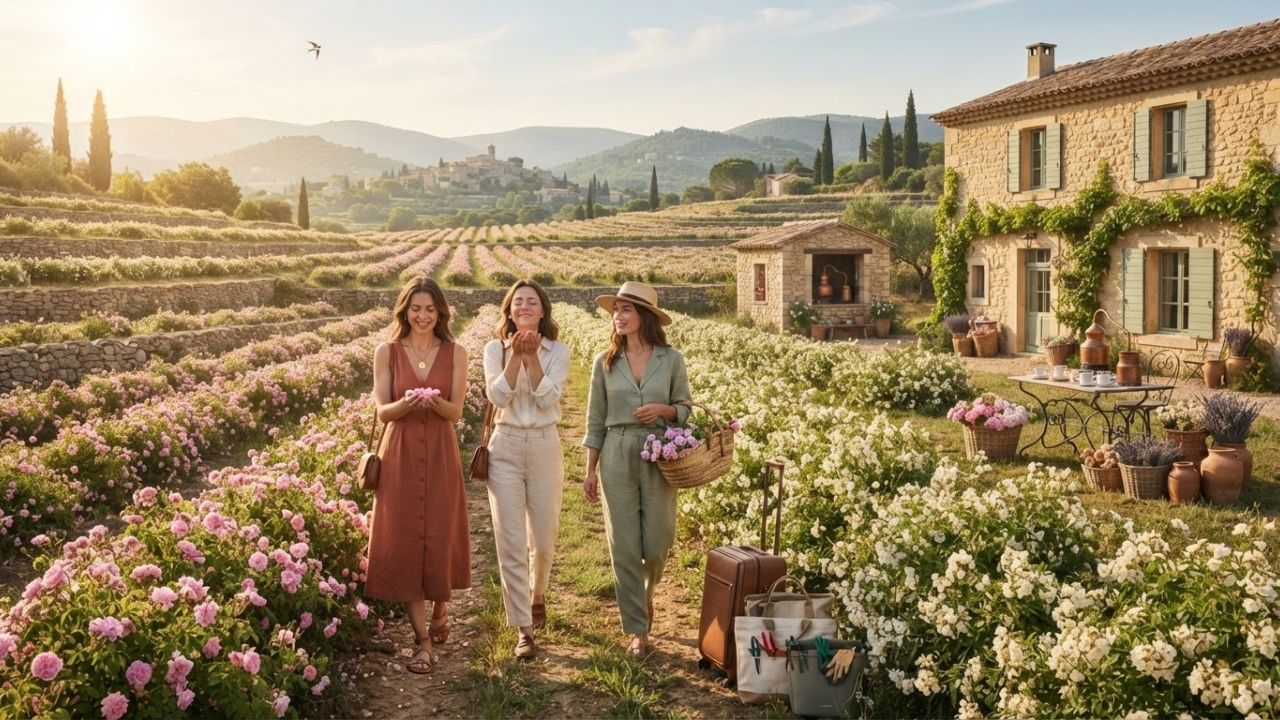
Image generated by AI
France is spearheading a global surge in olfactory tourism, positioning the UNESCO-recognized botanical trails of Grasse alongside aromatic heritage corridors in Oman, India, and Madagascar. The shift replaces conventional visual sightseeing with immersive sensory explorations of flower fields, resin harvesting, and traditional hydro-distillation.
Sensory travel is emerging as a distinct niche within the global eco-tourism sector. Rather than structuring itineraries around traditional visual monuments, travelers are choosing destinations defined by indigenous botany, fragrance trade routes, and artisanal distillation. This movement supports fragile rural agricultural systems while protecting ancient anthropological traditions.
Sensory Travel and the Global Olfactory Tourism Architecture
Olfactory tourism connects travelers directly with agricultural producers, perfume masters, and botanical conservatories. By following scent maps across distinct microclimates, visitors experience the historical trade routes that have shaped regional economies for centuries.
+-----------------------------------------------------------------------------------+
|                   GLOBAL OLFACTORY TOURISM & BOTANICAL TRAILS                     |
+-----------------------------------------------------------------------------------+
|  HERITAGE REGION               BOTANICAL SPECIES              EXTRACTION TECHNIQUE|
|                                                                                   |
|  Grasse (French Riviera) ----> Centifolia Rose & Jasmine ---> Solvent / Enfleurage|
|  Dhofar (Southern Oman) -----> Boswellia sacra Frankincense -> Bark Incision/Tears|
|  Kannauj (Ganges Plain, India)-> Natural Earth & Flora ------> Deg-Bhapka Copper  |
|  Sava Region (Madagascar) ----> Bourbon Vanilla Orchid ------> Hand-Pollination   |
+-----------------------------------------------------------------------------------+
Grasse Terroir and UNESCO-Protected Perfume Harvests
In the hills of the French Riviera, Grasse stands as the historical capital of Western perfumery. Recognized on UNESCO’s Intangible Cultural Heritage list, Grasse’s mineral-rich limestone soil and sheltered Mediterranean microclimate produce flowers with exceptional aromatic complexity.
Core Botanical Harvests in Grasse
- May Rose (Rosa x centifolia): Harvested exclusively during a three-week window in May. Petals are hand-picked at dawn before sunlight degrades volatile essential oils.
- Grandiflorum Jasmine (Jasminum grandiflorum): Picked between August and October, serving as a foundational ingredient for international haute parfumerie.
- Visitor Access: The International Perfume Museum (Musée International de la Parfumerie) and surrounding estate gardens offer structured educational access to experimental fields and formulation workshops.
Comparative Global Botanical and Aromatic Destinations
| Heritage Region | Botanical Focus | Extraction / Harvest Method | Key Seasonal Window | Primary Airport Gateway |
|---|---|---|---|---|
| Grasse (France) | Centifolia Rose & Jasmine | Hand-harvesting & solvent extraction | May (Rose); Aug–Oct (Jasmine) | Nice Côte d'Azur Airport (NCE) |
| Dhofar (Oman) | Frankincense (Boswellia sacra) | Bark incisions & resin tear drying | July–September (Khareef season) | Salalah International Airport (SLL) |
| Kannauj (India) | Mitti Attar & Botanical Oils | Deg-Bhapka clay hydro-distillation | Post-monsoon (July–October) | Lucknow (LKO) / Kanpur (KNU) |
| Sava (Madagascar) | Bourbon Vanilla (Vanilla planifolia) | Needle hand-pollination & curing | June–December curing window | Sambava Airport (SVB) |
1. Dhofar Resin Routes (Oman)
In southern Oman's Dhofar province, ancient caravan paths follow the wild harvesting of Boswellia sacra frankincense trees. Benefiting from summer monsoon mists (Khareef), pastoralists make controlled bark incisions to yield aromatic resin tears, continuing a 5,000-year-old trade tradition.
2. Kannauj Hydro-Distillation (India)
Along the Ganges plains in Uttar Pradesh, Kannauj functions as a living museum for natural, alcohol-free attar. Artisans utilize the traditional Deg-Bhapka method—sealing massive copper stills with wet clay over wood fires. Their signature creation, Mitti attar, captures the distinct scent of baked Gangetic earth following the first monsoon rains.
3. Madagascar Vanilla Agroforestry (Sava & Nosy Be)
In Madagascar’s rainforest plantations, native pollinators are absent, requiring farmers to hand-pollinate each vanilla orchid flower using small bamboo needles. The labor-intensive process is followed by months of sun-drying and trunk curing, introducing visitors to sustainable agroforestry practices.
Traveler Logistics & Aromatic Route Access
Navigating global botanical trails requires aligning itineraries with specific harvest seasons and regional transport networks.
1. Accessing Grasse (France)
- Airport & Rail Transit: Arrive at Nice Côte d'Azur Airport (NCE). Take the TER Provence-Alpes-Côte d'Azur train directly to Grasse Station (45 minutes) or utilize ZOU! Regional Bus Line 650 from Cannes.
- Harvest Booking Advice: Reserve field tours at private flower domains (such as Domaine de Manon) 3 to 6 months in advance of the May rose harvest.
2. Accessing Dhofar (Oman)
- Gateway: Fly into Salalah International Airport (SLL). Hire a 4WD vehicle to access the UNESCO World Heritage site at Wadi Dawkah Frankincense Park, located 35 km north of Salalah.
- Official Travel Resources: Consult the Oman Ministry of Heritage and Tourism (mht.gov.om) for licensed bedouin guide registries.
3. Accessing Kannauj (India)
- Transit Route: Fly into Lucknow Airport (LKO) and travel 120 km west via the Agra-Lucknow Expressway to Kannauj's historic distillation quarter.
Environmental Preservation and Agroforestry Impact
The expansion of scent-focused travel provides vital economic support to rural farming communities. By valuing traditional harvesting knowledge over mass-market resort development, olfactory tourism incentivizes the protection of delicate ecosystems—ensuring that historic botanical crafts endure for future generations.
Related Travel Guides
Global Heritage Craft Skillcations: Traditional Artisan Journeys Across Japan, Morocco, and Italy
Spain Leads 15% Canadian Tourism Surge as Mediterranean Demand Outpaces Portugal and Italy in 2026
The 10 Best Perfume and Botanical Tours in Grasse, France, According To Reddit
Disclaimer
This article is for informational and educational purposes only. It does not constitute legal, financial, or professional advice. While we strive to provide accurate and up-to-date information, travel policies, regulations, and conditions change rapidly. Always verify information with official sources before making travel decisions. Nomad Lawyer makes no representations about the accuracy, reliability, completeness, or suitability of the information provided. Readers should consult qualified professionals for advice specific to their circumstances. The views expressed in this article are those of the author and do not necessarily reflect the views of Nomad Lawyer.