
Florida and Tennessee Lead Top 10 Most Accessible US Vacation Destinations for Wheelchair Travel 2026
New research identifies Pensacola Beach, Gatlinburg, and Rehoboth Beach as the top US destinations for wheelchair accessibility, scoring high on inclusive lodging, dining, and public infrastructure.

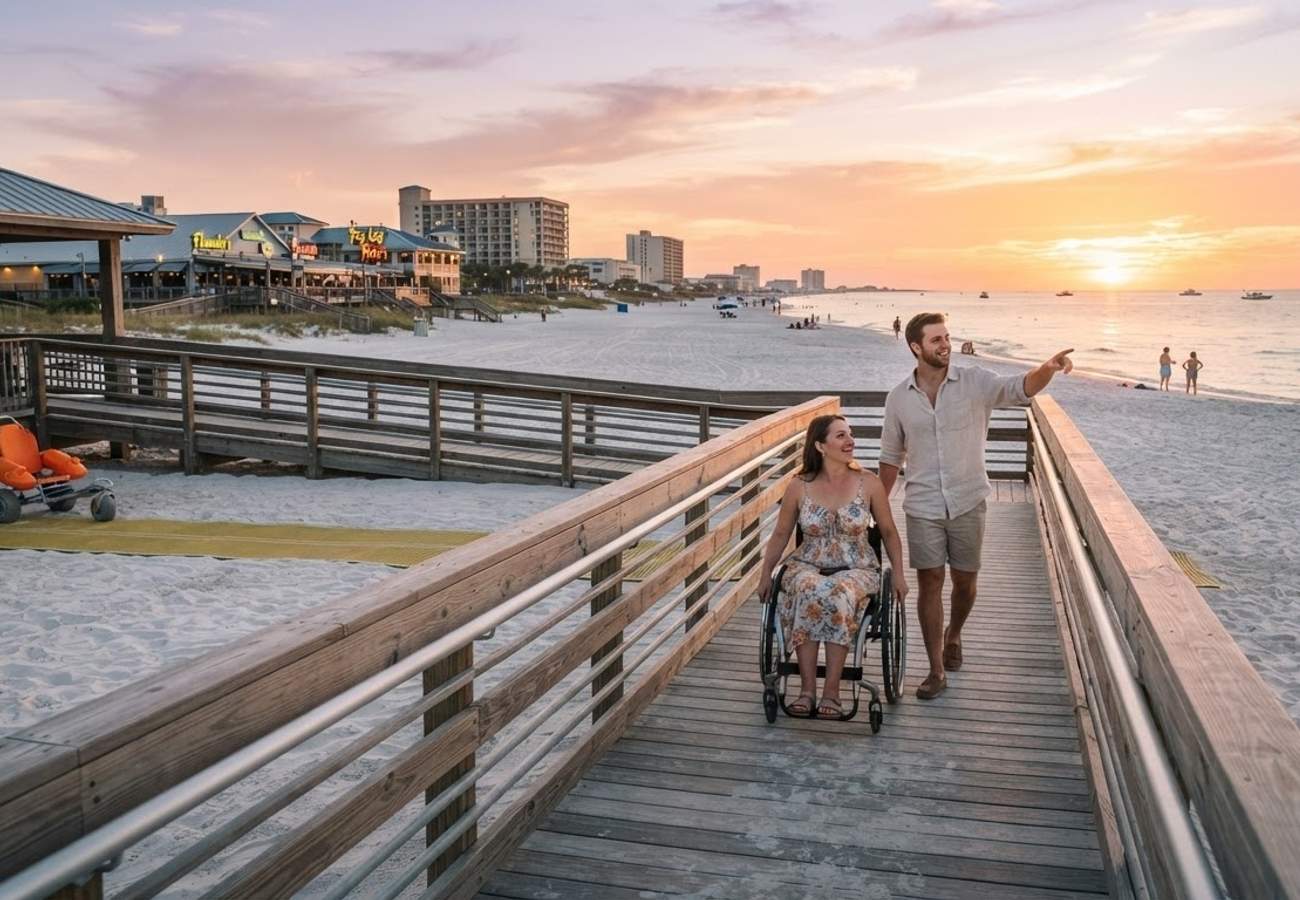
Image generated by AI
Inclusive travel is no longer a niche requirement but a benchmark for top-tier tourism. New data reveals that Florida and Tennessee are currently leading the US in providing seamless, barrier-free experiences for wheelchair users.
A comprehensive analysis of 100 prominent US holiday destinations has redefined what constitutes an "accessible" getaway. The study moves beyond the presence of a single ramp or a designated hotel room, instead measuring the "ecosystem of accessibility."
Researchers evaluated a wide array of indicators, including the availability of step-free lodging, wheelchair-friendly dining, public restroom accessibility, and the inclusivity of trails, tours, and general visitor facilities. The results indicate a significant shift: the most successful destinations are those where the entire community—not just individual businesses—supports the traveler's journey.
Pensacola Beach Sets the Gold Standard for Coastal Access
Florida’s Pensacola Beach has secured the top position in the national rankings. Located on the Gulf Coast, the destination has successfully integrated its natural beach appeal with a robust network of inclusive infrastructure.
The town's high score is attributed to a high density of wheelchair-accessible restaurants and public facilities. This holistic approach ensures that visitors can transition from dining to sightseeing and beach activities without encountering systemic barriers.
By prioritizing destination-wide accessibility, Pensacola Beach demonstrates that coastal communities can expand their market reach by investing in infrastructure that promotes independence for all visitors.
Mountain Tourism Evolves in Tennessee
The research proves that rugged terrain is no longer a barrier to inclusive travel. Tennessee’s mountain hubs, Gatlinburg and Pigeon Forge, have emerged as leaders in accessibility.
Gatlinburg ranks second nationally, largely due to its exceptional inventory of step-free holiday rentals. The town recorded some of the highest rates of accessible Airbnb properties in the country, offering travelers more flexibility than traditional hotel stays.
Pigeon Forge also ranks highly, balancing its entertainment-heavy attractions with accessible lodging. Together, these towns prove that nature-based and entertainment-focused tourism can be successfully adapted for those with mobility requirements.
East Coast Heritage and Seaside Inclusivity
Delaware’s Rehoboth Beach claims the third spot, recognized for its consistent performance across multiple accessibility categories. The town has integrated wheelchair-friendly hotels and dining options into the core visitor experience, reflecting a trend where accessibility is a built-in feature rather than an afterthought.
Further north, Cape May in New Jersey ranks in the top five. This is a significant finding, as it demonstrates that historic districts—often plagued by narrow streets and old architecture—can successfully modernize to meet current accessibility standards without losing their heritage charm.
Other Northeast destinations, including Ogunquit and Bar Harbor in Maine, were also recognized for their commitment to inclusive travel experiences.
Luxury and Accessibility in Hawaii and California
The study highlights a growing demand for "inclusive luxury." Ka’anapali in Hawaii and Carmel-by-the-Sea in California both ranked highly, proving that high-end coastal escapes are prioritizing step-free accommodation and accessible amenities.
These destinations cater to a demographic of travelers who refuse to compromise on luxury or comfort regardless of their mobility needs, pushing the luxury hospitality sector to innovate its physical layouts.
The Shift Toward Accessible Lodging
A primary driver in these rankings is the evolution of accommodation. Travelers are increasingly scrutinizing properties for specific features, including:
- Step-free entrances and thresholds.
- Optimized room layouts for wheelchair maneuverability.
- Fully accessible bathrooms.
Destinations like Gatlinburg and Ka’anapali have gained a competitive edge by diversifying their accessible lodging options, reducing the stress of trip planning and increasing visitor confidence.
National Accessibility Rankings 2026
The following table outlines the top-performing destinations based on their overall accessibility scores.
| Destination | State | Accessibility Score |
|---|---|---|
| Pensacola Beach | Florida | 91.3 |
| Gatlinburg | Tennessee | 89.6 |
| Rehoboth Beach | Delaware | 75.5 |
| Pigeon Forge | Tennessee | 75.3 |
| Cape May | New Jersey | 71.4 |
| Ogunquit | Maine | 70.5 |
| Ka’anapali | Hawaii | 66.6 |
| Carmel-by-the-Sea | California | 65.9 |
| Leavenworth | Washington | 63.9 |
| Bar Harbor | Maine | [Score not provided] |
Key Takeaways for Inclusive Travel
- Ecosystem Approach: The best destinations focus on the entire journey—transport, dining, and attractions—rather than isolated accessible spots.
- Rental Market Growth: Step-free short-term rentals (like Airbnbs) are becoming a critical factor in a destination's accessibility score.
- Historic Adaptation: Heritage sites in places like Cape May are proving that old-world charm can coexist with modern accessibility.
- Economic Opportunity: Destinations investing in inclusive infrastructure are attracting a wider, more diverse visitor base.
Frequently Asked Questions
What makes a destination "accessible" according to this research? Accessibility is measured by the collective availability of step-free lodging, wheelchair-friendly restaurants, accessible public restrooms, and inclusive tourist attractions and trails.
Which state has the most accessible vacation spots? Tennessee and Florida are among the top performers, with Tennessee having two destinations (Gatlinburg and Pigeon Forge) in the top four.
Are historic towns generally less accessible? While historic towns often face challenges, destinations like Cape May have shown that heritage tourism can be successfully integrated with modern accessibility standards.
The future of travel is one where the beauty of a destination is matched by the ease with which everyone can experience it.
Related Travel Guides
Disclaimer
This article is for informational and educational purposes only. It does not constitute legal, financial, or professional advice. While we strive to provide accurate and up-to-date information, travel policies, regulations, and conditions change rapidly. Always verify information with official sources before making travel decisions. Nomad Lawyer makes no representations about the accuracy, reliability, completeness, or suitability of the information provided. Readers should consult qualified professionals for advice specific to their circumstances. The views expressed in this article are those of the author and do not necessarily reflect the views of Nomad Lawyer.
Preeti Gunjan
Contributor & Community Manager
A passionate traveller and community builder. Preeti helps grow the Nomad Lawyer community, fostering engagement and bringing the reader experience to life.
Learn more about our team →