
Florida Tourism Boom 2026: Managing Security Risks for 143.3 Million Annual Visitors
As Florida hits record visitation numbers, cities like Miami and Orlando face critical security challenges. Discover how the state manages 143.3 million guests while combating opportunistic crime in high-density zones.

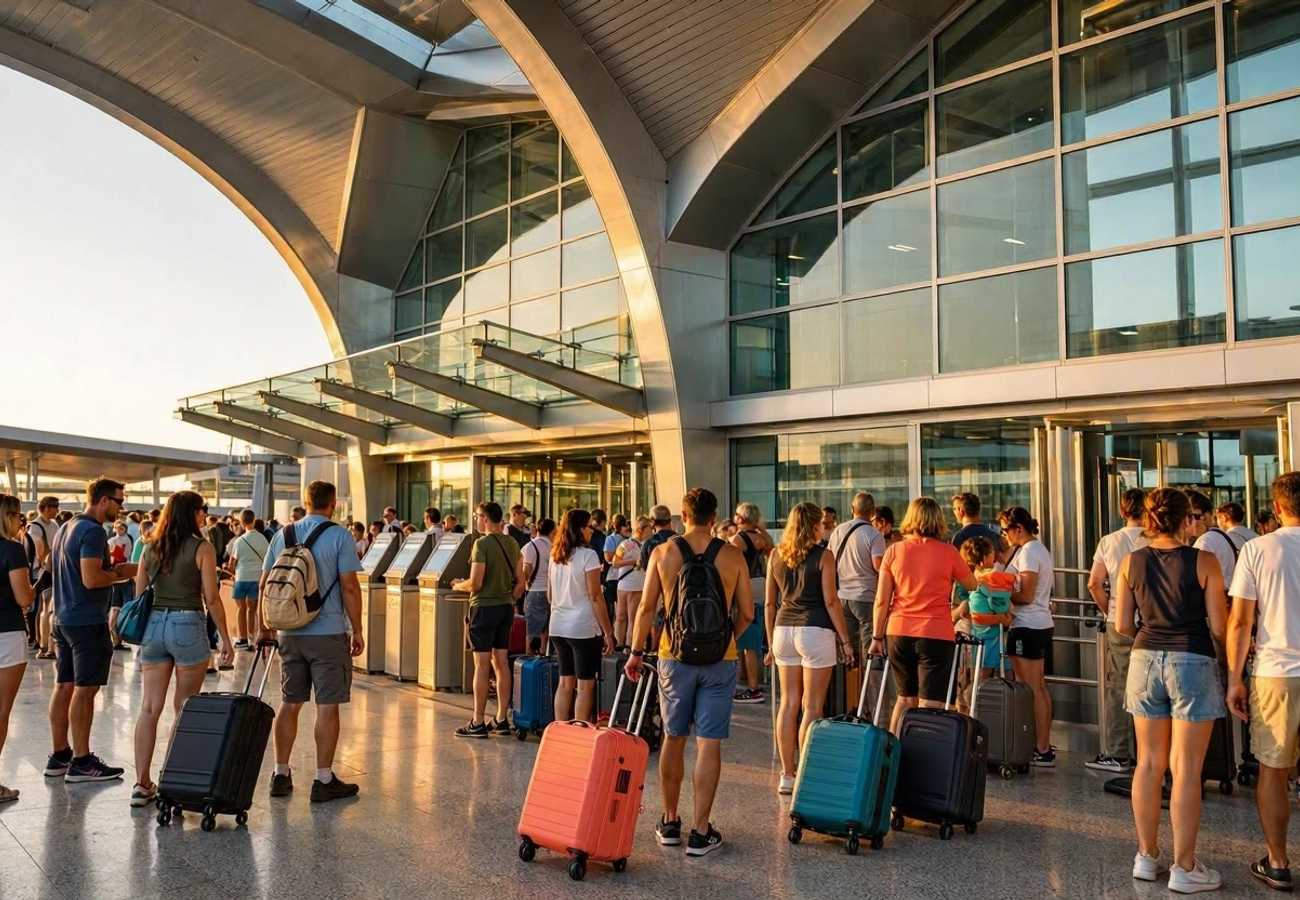
Image generated by AI
The Sunshine State is currently operating at a scale that defies traditional urban planning, with Orlando alone drawing over 75 million visitors in a single year. This staggering volume has transformed the region from a vacation paradise into a complex security puzzle, where the sheer density of human movement in public plazas and transit hubs creates systemic operational bottlenecks.
The Friction of Record-Breaking Growth
Florida is currently experiencing a paradoxical era of prosperity. While the economic gains are undeniable, the physical infrastructure of cities like Miami, Tampa, and Orlando is struggling to keep pace with the influx. The state welcomed an estimated 143.3 million visitors in 2025, a figure that pushes local security resources to their absolute limit.
For the global traveler, this means that the "magic" of the destination is often interrupted by logistical friction. When you are navigating the corridors of Orlando or the beachfronts of Miami, you aren't just competing for a lounge chair—you are moving through a space where local authorities are fighting to maintain safety standards amidst unprecedented crowd levels. The pressure is most acute during high-profile events like the Formula 1 races in South Florida or the PGA Tournament, where predictable surges in population create temporary "security vacuums" that opportunistic criminals exploit.
The Anatomy of Tourist Vulnerability
In high-traffic zones, the risk isn't usually violent crime, but rather opportunistic property theft. Larceny, burglary, and motor vehicle theft cluster heavily around parking facilities and entertainment strips. As a visitor, you are a high-value target: you carry more cash than a local, possess expensive gear, and—most importantly—you are distracted by the sights.
To counter this, Florida municipalities are moving away from static policing. You will now see an increase in mobile solar surveillance trailers and remote monitoring units. These are deployed in real-time to high-density areas and temporary event grounds to create visible perimeters without needing to build permanent police stations. For those planning a trip, checking the Visit Florida official portal can provide updates on regional guidelines, while the UNESCO World Heritage listings for nearby protected sites often provide safer, less congested alternatives to the urban cores.
Florida Visitation & Economic Metrics (2024-2025)
| Metric | Data Point | Note |
|---|---|---|
| Total Visitors (2025) | 143.3 Million | New annual record |
| Statewide Economic Impact (2024) | $133.6 Billion | Direct and indirect spend |
| Jobs Supported | 1.8 Million | Hospitality and service sector |
| Local Household Tax Savings | ~$2,000 / year | Per household benefit |
| Domestic Visitors | 130.65 Million | Primary market driver |
| International Overseas Visitors | 8.94 Million | Excludes Canada |
| Canadian Visitors | 3.41 Million | Top single-country source |
Visitor Insider Tips
Having spent significant time navigating the Florida corridors, I can tell you that the "brochure" version of the state ignores the grit of the peak season. To stay safe and sane, follow these local protocols:
- The "Rental Car Rule": Never leave a single item—not even a charging cable or a bag of chips—visible in your car. In Miami and Orlando, "smash-and-grabs" are common in tourist parking lots. Use the hotel safe for everything except your immediate essentials.
- Timing the Surge: Avoid major transit hubs between 4:00 PM and 7:00 PM during peak season. The congestion isn't just an inconvenience; it's when pickpocketing risks are highest due to the density of the crowds.
- Event Logistics: If attending Formula 1 or the PGA, do not rely on ride-share apps for immediate departures. The "surge" is both in pricing and traffic. Walk a few blocks away from the primary event perimeter before requesting a vehicle.
- Neighborhood Base: Instead of staying in the heart of the "tourist traps," look for boutique hotels in emerging districts. You'll find better security, fewer crowds, and a more authentic local rhythm.
Cultural and Environmental Context
The tension in Florida today is between the local resident and the global guest. While the $133.6 billion economic impact is a triumph on paper, the reality for locals is a strained infrastructure. When 143.3 million people descend on a region, the environmental toll on the coastlines and the psychological toll on city workers are immense.
There is a growing movement toward "smart tourism," where data is used to divert crowds away from saturated hotspots to under-visited municipal zones. This is not just about traffic; it is about preserving the cultural heritage of the state. When a city becomes a "theme park" for international visitors, the local identity risks being erased. The deployment of multilingual emergency units and dedicated visitor assistance is a step toward integrating these millions of guests without alienating the people who actually live there.
FAQ: Visiting Florida 2026
What is the best time to visit to avoid crowds? Aim for the "shoulder seasons"—late April to early June or October to early November. You avoid the extreme summer heat and the massive winter holiday surges, making navigation safer and more pleasant.
Is Florida safe for solo travelers? Yes, but vigilance is required. Stick to well-lit, high-traffic areas at night and avoid displaying expensive jewelry or electronics in crowded transit hubs.
How do I get around the major cities efficiently? In Miami, use the Brightline for inter-city travel to avoid highway congestion. In Orlando, ride-shares are dominant, but the rail systems are becoming more viable for avoiding the worst of the traffic.
Do I need a visa for the US? Depending on your origin (e.g., UK, Brazil, Canada), you may need a visa or an ESTA. Check the official U.S. Customs and Border Protection website for the most current entry requirements.
The magic of the Sunshine State is still there, but the secret to enjoying it now lies in knowing exactly where the crowds are—and how to step around them.
Related Travel Guides
Disclaimer
This article is for informational and educational purposes only. It does not constitute legal, financial, or professional advice. While we strive to provide accurate and up-to-date information, travel policies, regulations, and conditions change rapidly. Always verify information with official sources before making travel decisions. Nomad Lawyer makes no representations about the accuracy, reliability, completeness, or suitability of the information provided. Readers should consult qualified professionals for advice specific to their circumstances. The views expressed in this article are those of the author and do not necessarily reflect the views of Nomad Lawyer.
Raushan Kumar
Founder & Lead Developer
Full-stack developer with 11+ years of experience and a passionate traveller. Raushan built Nomad Lawyer from the ground up with a vision to create the best travel and law experience on the web.
Learn more about our team →