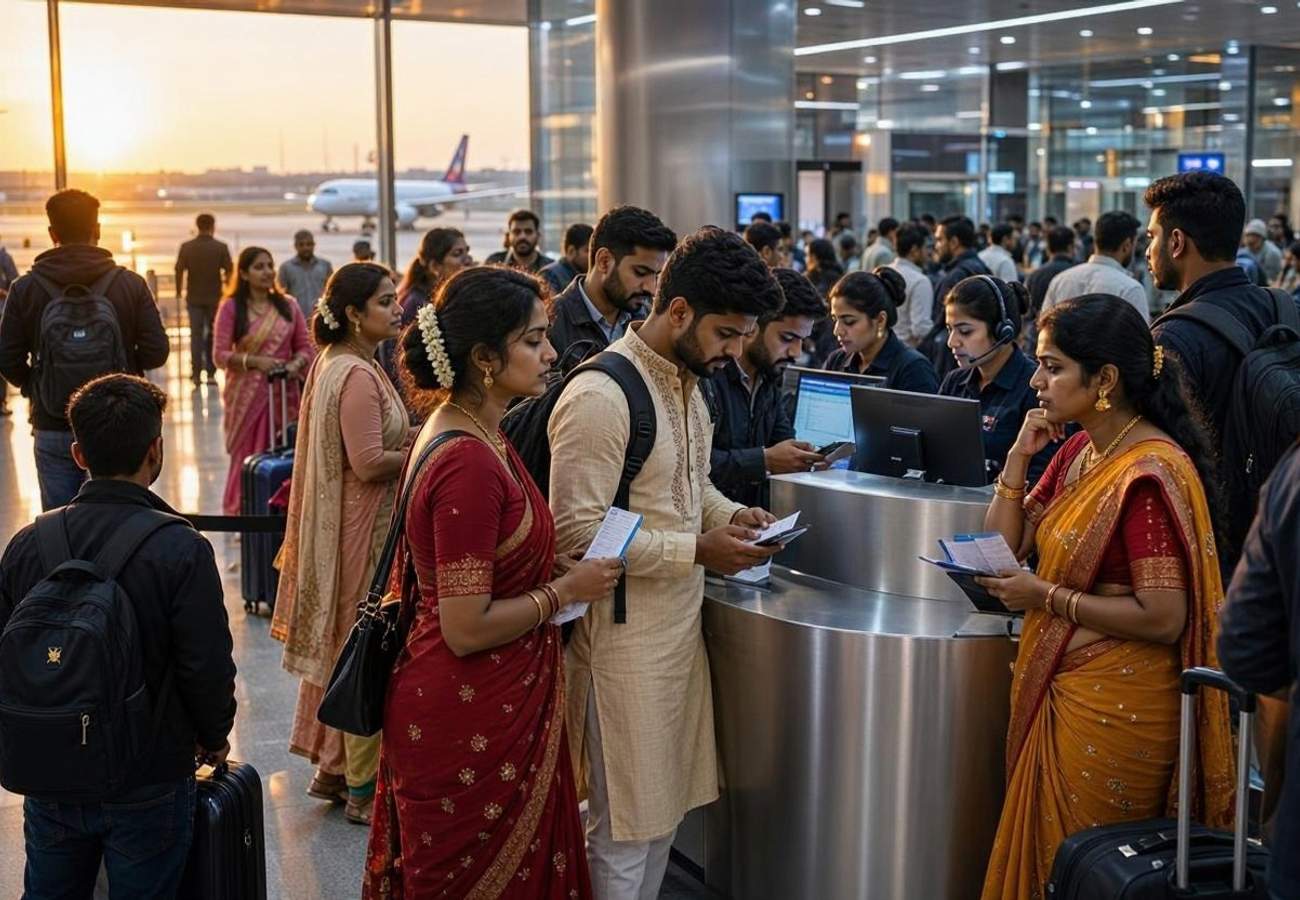
Asia Air Travel Hit by Over 500 Cancellations and 6,055 Delays: Bangkok, Delhi, and Beijing Guide

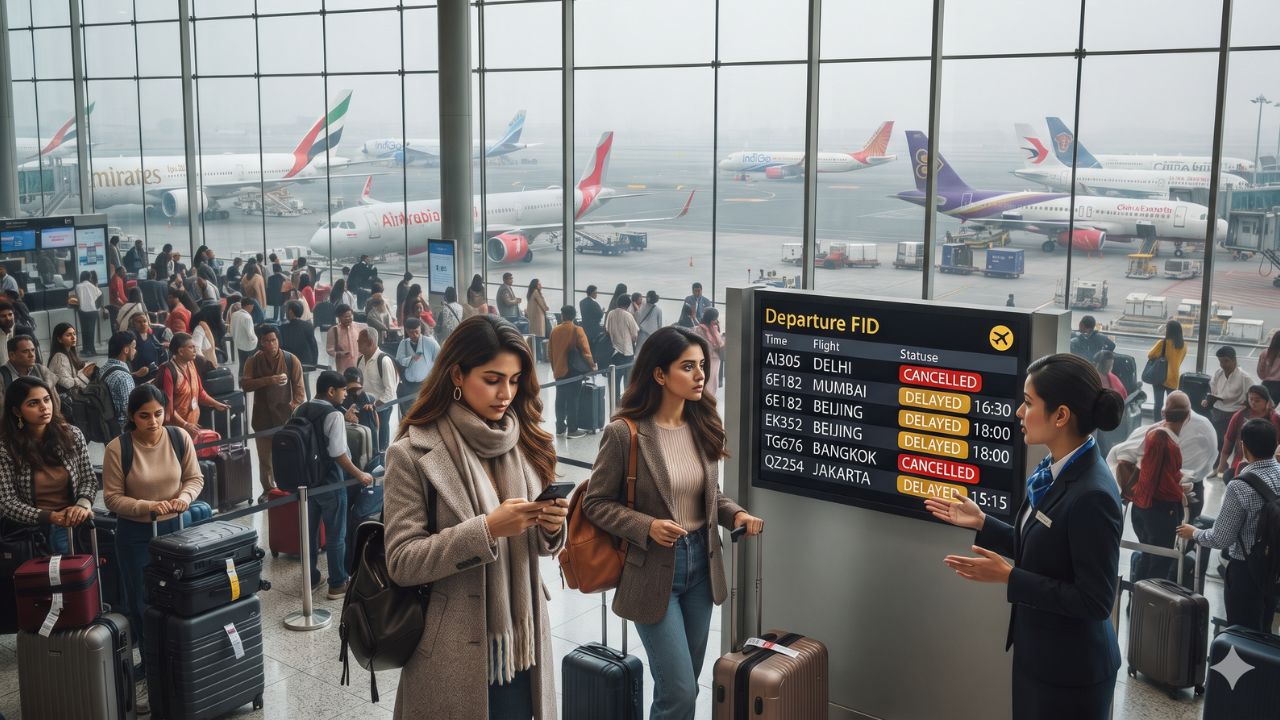
While extreme northern fog grounded dozens of flights across sub-zero Manchurian runways, a completely separate blanket of agricultural smog across the Indo-Gangetic Plain forced arrival pacing over Delhi, triggering a pan-Asian aviation breakdown of 6,055 delays and over 500 cancellations in a single day. On 14 November 2026, major international airfields spanning China, India, Japan, Thailand, Indonesia, the United Arab Emirates, Saudi Arabia, and Türkiye suffered widespread schedule collapse. Compounded by technical communication problems stemming from a recent Microsoft cloud outage and fleet shortages hitting carriers on high-density Dubai–India routes, long-distance travelers found transit corridors stalled from Bangkok Suvarnabhumi to Istanbul.
Regional Schedule Breakdowns: Northern Fog, Smog Belts, and IT Snags
Aviation tracking records compiled across the continent reveal that schedule deterioration was concentrated across five distinct geographic theaters. East Asia shouldered the heaviest aggregate volume, logging 310 cancellations and 3,296 delays. In China alone, 27 primary commercial airfields recorded 305 cancellations and 2,961 delays. Harbin Taiping International suffered 38 cancellations and 189 delays amid heavy ground fog, while Beijing Daxing recorded 30 cancellations and 264 delays. In the south, Shanghai Pudong absorbed 23 cancellations and 261 delays, while Shenzhen Baoan logged 271 delays and eight cancellations, Guangzhou Baiyun recorded 228 delays and six cancellations, and Beijing Capital posted 20 cancellations alongside 193 delays. In Japan, Tokyo Haneda Airport faced severe airspace pacing, accumulating 335 delays and five cancellations.
South Asia contended with severe schedule disruptions across Indian metropolitan centers, logging 105 cancellations and 823 delays alongside Pakistan's Islamabad International (37 delays, four cancellations). Mumbai’s Chhatrapati Shivaji Maharaj International and Delhi’s Indira Gandhi International tied for the region’s highest cancellation count at 23 each, while recording 241 and 211 delays respectively. Bengaluru logged 109 delays and 17 cancellations, Kolkata posted 58 delays and six cancellations, Ahmedabad registered 53 delays and seven cancellations, and Pune reported 44 delays and eight cancellations. Fleet strain severely impacted Indian low-cost operators: SpiceJet canceled 39 flights—amounting to 31% of its scheduled operations—hitting key migrant routes connecting Dubai with regional Indian cities, while Akasa Air canceled 36 flights (14%), and market leader IndiGo recorded 437 delays across 19% of its network despite holding cancellations to five.
Major Asian Airport Disruption Metrics (14 November 2026)
The table below outlines verified flight delays and cancellations recorded across leading commercial aviation hubs on 14 November 2026:
| Airport Facility & IATA Code | Geographic Sub-Region | Flights Delayed | Flights Canceled | Primary Operational Friction |
|---|---|---|---|---|
| Bangkok Suvarnabhumi (BKK) | Southeast Asia | 358 | 4 | Highest single-airport delay count |
| Tokyo Haneda (HND) | East Asia | 335 | 5 | Dense terminal approach pacing |
| Istanbul Airport (IST) | Türkiye / Transcontinental | 325 | 12 | European–Asian transfer bottleneck |
| Shenzhen Baoan (SZX) | Pearl River Delta | 271 | 8 | Airway flow controls & slot holds |
| Beijing Daxing (PKX) | Northern China | 264 | 30 | Dense autumn fog & visibility limits |
| Shanghai Pudong (PVG) | Eastern China | 261 | 23 | Coastal weather & rotation delays |
| Jakarta Soekarno-Hatta (CGK) | Southeast Asia | 259 | 11 | Tropical convective storm holds |
| Mumbai Shivaji Maharaj (BOM) | Western India | 241 | 23 | Ground turnaround compression |
| Guangzhou Baiyun (CAN) | Southern China | 228 | 6 | Regional airspace vectoring holds |
| Delhi Indira Gandhi (DEL) | Northern India | 211 | 23 | Seasonal smog & CAT III visibility pacing |
| Beijing Capital (PEK) | Northern China | 193 | 20 | Northern airway delay cascades |
| Harbin Taiping (HRB) | Northeast China | 189 | 38 | Freezing ground fog cancellations |
| Hanoi Noi Bai (HAN) | Southeast Asia | 188 | 3 | Regional feeder arrival delays |
| Dubai International (DXB) | Arabian Gulf | 130 | 15 | Connecting wave feeder delays |
| Jeddah King Abdulaziz (JED) | Western Saudi Arabia | 114 | 10 | Regional pilgrimage & transit holds |
| Doha Hamad (DOH) | Arabian Gulf | 114 | 2 | Middle East transit sequencing |
| Bengaluru Kempegowda (BLR) | Southern India | 109 | 17 | Tech corridor domestic cancellations |
| Sabiha Gokcen (SAW) | Türkiye | 102 | 1 | Low-cost carrier rotation delays |
| Moscow Vnukovo (VKO) | Eastern Europe / Russia | 94 | 4 | Winter weather approach adjustments |
| Makassar Sultan Hasanuddin (UPG) | Eastern Indonesia | 77 | 4 | Island feeder schedule delays |
| Kolkata Subhas Chandra Bose (CCU) | Eastern India | 58 | 6 | Eastern feeder rotation delays |
| Ahmedabad Sardar Patel (AMD) | Western India | 53 | 7 | Domestic fleet turnaround holds |
| Sharjah International (SHJ) | Arabian Gulf | 47 | 5 | Low-cost Gulf rotation delays |
| Pune Airport (PNQ) | Western India | 44 | 8 | Restricted military runway slots |
| Antalya Airport (AYT) | Mediterranean Türkiye | 41 | 2 | Mediterranean coastal routing holds |
| Riyadh King Khalid (RUH) | Central Saudi Arabia | 40 | 5 | Domestic network flow controls |
| Islamabad International (ISB) | South Asia | 37 | 4 | Northern mountain approach delays |
| Kuwait International (KWI) | Arabian Gulf | 10 | 2 | Regional Gulf arrival pacing |
In Southeast Asia, Bangkok Suvarnabhumi emerged as the single most delayed airport across the continent with 358 delayed flights, while Jakarta recorded 259 delays and Hanoi posted 188. Thai Vietjet Air saw 55% of its daily operations delayed (86 flights), while Vietnam Airlines absorbed 90 delays. Across the Middle East, Dubai, Jeddah, and Doha logged hundreds of delayed arrivals, while Turkish Airlines absorbed 258 delays and 10 cancellations at Istanbul Airport.
What Makes Asian Aviation Delays Geographically Distinct
The vast distances and distinct meteorological barriers of the Asian continent make flight recovery uniquely difficult. Unlike Europe, where passengers stranded by flight cancellations can switch to high-speed rail within an hour, long-haul travelers in Asia must navigate oceanic airways, high Himalayan flight prohibitions, and strict bilateral air corridor constraints.
In November, two distinct weather phenomena collide: arctic air pouring down from Siberia generates heavy ground radiation fog across northern China, grounding domestic flights in Harbin and Beijing, while seasonal post-monsoon agricultural burning across Punjab and Haryana produces dense particulate smog over Delhi. Because Indian and Chinese mega-carriers cycle single aircraft across four or five provincial hops per day, an aircraft held for 90 minutes in Delhi or Harbin inevitably arrives late in Mumbai, Bangkok, or Singapore, destabilizing evening international departures across three time zones.
Visitor Insider Tips: Navigating Asia's Major Transfer Corridors
Travelers flying across Asian gateways during mid-November weather transitions should deploy specialized transit tactics:
- Pad Bangkok Suvarnabhumi Connections: With Suvarnabhumi logging 358 delays in a single day, self-transferring between separate airline tickets is extremely risky. Allow at least five hours between international and domestic flights to Phuket or Chiang Mai, or base yourself overnight near the airport at a local transit hotel along Lat Krabang rather than rushing through immigration queues.
- Avoid Same-Day Domestic Hops in India on High-Cancellation Airlines: With SpiceJet canceling 31% of flights and Akasa Air canceling 14%, avoid booking tight onward connections on budget carriers after arriving on international flights into Delhi or Mumbai. Book tickets through full-service operators or allow an overnight buffer.
- Leverage Airport Rail in Tokyo and Bangkok: Skip highway taxis when flights arrive late into Tokyo Haneda or Bangkok Suvarnabhumi. Take the Tokyo Monorail into Hamamatsucho Station or board the Suvarnabhumi Airport Rail Link directly into Phaya Thai to bypass highway traffic gridlock.
- Request Official Delay Certificates at the Gate: In airports across China, India, and the Gulf, ground handling agents will stamp your boarding pass or issue an official stamped flight delay slip upon request. This physical document is mandatory when submitting claims for hotel reimbursement under comprehensive travel insurance policies.
Cultural and Environmental Context: Seasonal Smog and Conservation Limits
The severe flight delays witnessed across northern India and China highlight acute seasonal environmental pressures. The November arrival of low-altitude temperature inversions traps vehicular emissions, industrial exhaust, and post-harvest crop stubble smoke, creating air quality indices that routinely exceed hazardous thresholds in Delhi and Beijing. Preserving the delicate balance between rapid industrial aviation growth and environmental public health remains a primary regional challenge.
International travelers exploring delicate heritage sanctuaries—from the ancient temples of Ayutthaya promoted through the Tourism Authority of Thailand to Mughal monuments cataloged under UNESCO World Heritage in India—must recognize that seasonal weather is intimately tied to local agrarian life. Supporting airlines that invest in modern navigation avionics capable of low-visibility Category III landings, while choosing ground rail alternatives where available, helps mitigate the environmental strain of mass aviation during Asia's most delicate seasonal transitions.
FAQ: Navigating Asian Flight Disruptions 2026
Which Asian airport recorded the highest number of flight delays on 14 November 2026? Bangkok Suvarnabhumi International Airport (BKK) recorded 358 delayed flights, the highest individual airport total in the dataset.
Why were so many flights delayed or canceled in northern China and India? Dense radiation fog severely reduced visibility in Harbin and Beijing, while seasonal post-harvest agricultural smog triggered Category III low-visibility ground delay procedures in Delhi.
What should I do if my flight is canceled on a regional budget carrier like SpiceJet? Contact the airline immediately via its mobile app or airport service desk to request rebooking on the next available service or a full ticket refund under statutory aviation passenger protection rules.
Are airlines required to provide hotel accommodation during weather-related delays in Asia? Airlines generally do not provide statutory cash compensation for uncontrollable weather events, but long-haul carriers often provide hotel vouchers or airport meals depending on ticket terms and local aviation guidelines.
Patience, generous connection windows, and verified flight alerts remain the essential tools for travelers discovering the vast cultural landscapes of Asia.
This article is for informational purposes. Flight routes, passenger regulations, visa rules, and transit advisories are subject to change by airlines and aviation authorities. Readers are advised to verify schedules and travel documentation with relevant carriers and border agencies before departure.
Related Stories

Timișoara Airport Closes for Modernization: TAROM Shifts Western Romania Flights to Arad
US Air Travel Gripped by Delays: 2,853 Flights Slowed as San Francisco and New York Face High Winds