Florida Creates A Powerful Underwater Paradise In Destin-Fort Walton Beach As Millions Of Pounds Of Concrete Transform U.S. Gulf Tourism

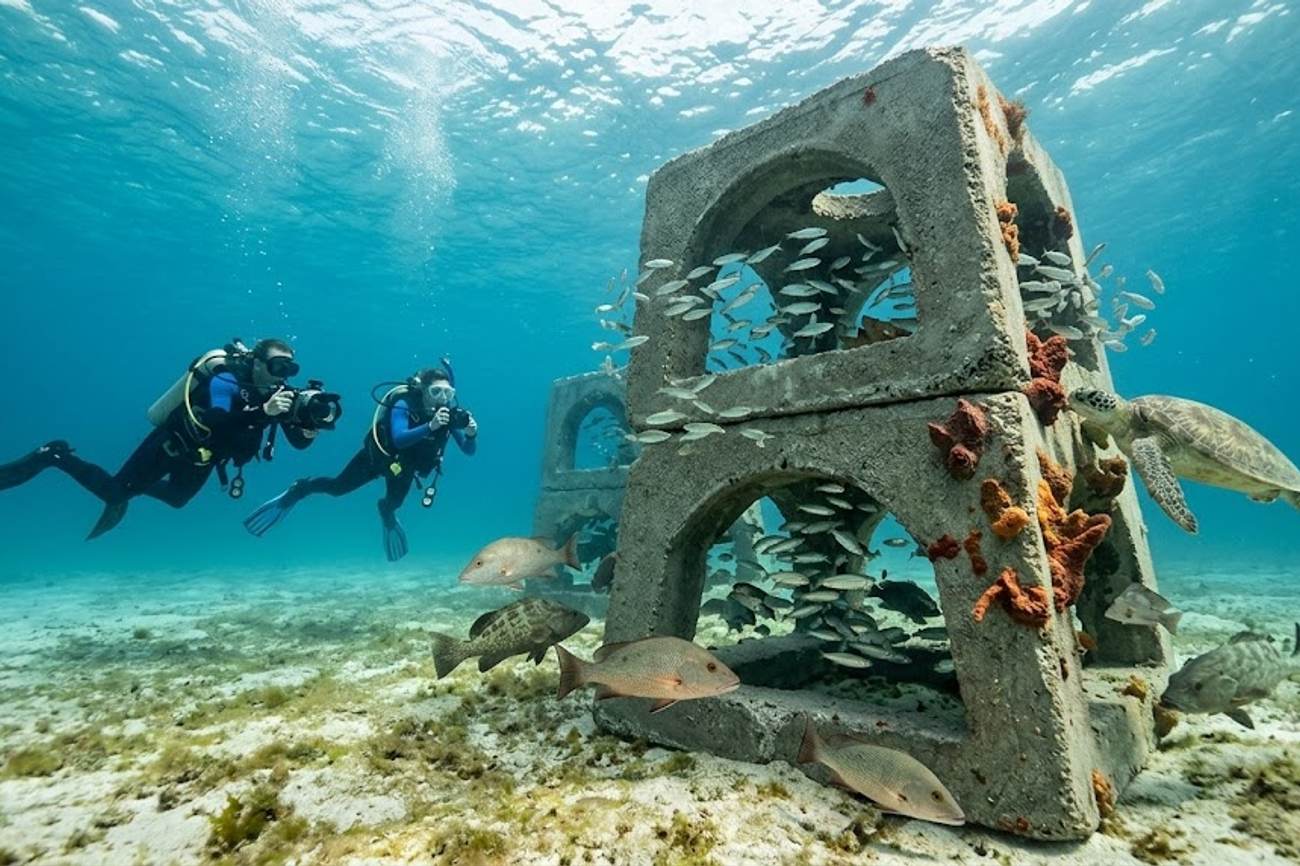
Image generated by AI
Florida’s investment in artificial reef infrastructure is transforming the Gulf Coast from a sandy seabed into a high-value tourism asset, mirroring a global shift toward "regenerative tourism" where infrastructure creates ecological value. While traditional coastal tourism relies on beach occupancy, the deployment of three million pounds of recycled concrete in the Destin-Fort Walton Beach region signals a pivot toward diversifying the "blue economy" to sustain long-term visitor growth.
The Concrete Catalyst: Reef Data and Deployment Metrics
The scale of the Destin-Fort Walton Beach project is defined by specific engineering benchmarks designed to maximize biological attraction. The initiative is deploying approximately 3,000,000 pounds of recycled concrete material to the Gulf seabed. This is not a haphazard dispersal but a calculated structural installation where each individual artificial reef site is allocated roughly 500 tonnes of heavy concrete material.
These structures are being positioned at precise coordinates: four to eight nautical miles from the coastline, at depths ranging between 68 and 74 feet. The use of hollow concrete pipes is a strategic choice; these forms create dense underwater formations that break the monotony of the sandy Gulf floor, providing the necessary hard surfaces for algae, barnacles, sponges, and soft corals to anchor.
The project timeline is concentrated, with deployment beginning in September 2026 and concluding in November 2026. This window marks a critical phase in Florida's Coastal Corridor conservation programme, which seeks to integrate these new habitats with existing projects, such as those previously established offshore from Naples. By creating these "stepping stone" habitats, the state is effectively engineering a migratory highway for species like grouper and snapper, which in turn creates a predictable data set for charter fishing and diving operators.
Comparative Context: Florida vs. Global Marine Infrastructure
Florida currently manages one of the largest artificial reef networks in the United States. To understand the impact of the Destin-Fort Walton Beach expansion, one must compare the ecological baseline of the Gulf of Mexico with other high-traffic diving regions. Unlike the naturally rocky substrates found in the Caribbean or the Indo-Pacific, the Gulf seabed is predominantly sandy, offering minimal attachment points for marine life.
The shift toward recycled concrete reflects a broader industry movement documented by organizations like the World Tourism Organization (UNWTO), where destinations are moving away from "extractive" tourism toward "additive" models. By converting construction waste into marine infrastructure, Florida is reducing landfill pressure while increasing the "carrying capacity" of its waters for recreational users.
The following table illustrates the shift in regional tourism assets provided by the Coastal Corridor programme:
| Metric | Pre-Project Baseline (Sandy Seabed) | Post-Project Target (Artificial Reef) | Impact on Tourism Sector |
|---|---|---|---|
| Substrate Type | Unstable Sandy Floor | 500 Tonnes Heavy Concrete per Site | Increased biodiversity/attraction |
| Primary Activity | Shoreline/Beach Tourism | Deep-water Diving & Charter Fishing | Diversification of revenue streams |
| Ecological Value | Low attachment for corals/sponges | High-density habitat for Grouper/Snapper | Higher "catch rates" for anglers |
| Material Source | Natural sedimentation | 3 Million lbs Recycled Concrete | Sustainable waste management |
| Visitor Focus | Surface-level interaction | 68-74 ft Sub-surface exploration | Increased average length of stay |
This strategic expansion allows Florida to compete with other global diving hubs by artificially creating the "attractions" that nature did not provide in the Gulf. According to data patterns seen in IATA and other travel metrics, destinations that offer "multi-modal" experiences (beach + underwater exploration) typically see higher visitor retention and longer hotel stays.
Practical Traveler Advisory and Strategic Insights
For the individual traveler, these data points translate into a tangible change in how to plan a Gulf Coast itinerary. The creation of these reefs shifts the "value proposition" of the Destin-Fort Walton Beach area from a seasonal beach destination to a year-round marine exploration hub.
For Scuba Divers: The specific depth of 68 to 74 feet puts these reefs within the accessible range for advanced open-water divers. Because these sites are located 4 to 8 nautical miles offshore, divers should anticipate a higher requirement for boat-based excursions rather than shore dives. If you are planning a trip for late 2026 or 2027, booking with charter operators who have specific coordinates for the new "Coastal Corridor" sites will be essential to avoid the crowded, older reef locations.
For Anglers: The introduction of 500 tonnes of material per site is designed to attract high-value species like snapper and grouper. This will likely lead to an increase in the demand for specialized charter fishing. Travelers should expect a surge in booking requests for "reef-fishing" packages starting in Q1 2027, as the biological colonization of the concrete pipes accelerates.
For Eco-Tourists: The integration of recycled concrete into the environment provides a narrative of sustainability. Travelers seeking "green" certifications in their travel choices will find the Destin-Fort Walton Beach region more attractive, as the project aligns with the World Travel & Tourism Council (WTTC) guidelines for sustainable destination management.
Forward Projection: The Blue Economy Trajectory
The current trajectory suggests that the Destin-Fort Walton Beach project is merely the pilot for a state-wide "underwater grid." The Coastal Corridor programme’s intent to link these reefs with mangrove planting and seagrass recovery indicates a move toward "holistic habitat restoration."
Based on current growth patterns in marine conservation, we can project that Florida will move toward a "zoned" ocean model. In this model, specific artificial reef clusters will be designated for high-intensity tourism, while others are reserved for biological nurseries. This prevents the "over-fishing" of a single site and ensures the long-term viability of the tourism product.
As the 3 million pounds of concrete integrate into the ecosystem, the economic ripple effect will likely extend beyond the water. We expect to see a corresponding increase in "marine-centric" hospitality—hotels offering dive-gear rentals and resorts partnering with conservation biologists to offer "citizen science" packages where travelers help monitor the reef's growth.
FAQ: Florida Marine Tourism 2026
Will the new artificial reefs increase the cost of charter trips? Short-term prices may rise due to increased demand for specific "new reef" coordinates. However, the increase in available sites (4-8 miles offshore) should eventually distribute demand and stabilize pricing across more operators.
Is it a good time to book a diving trip to Destin-Fort Walton Beach? Yes. While deployment ends in November 2026, the "colonization phase" where fish populations migrate to the structures is the most exciting period for observers. Booking for early 2027 is recommended.
Which activities are best suited for these new sites? Deep-water scuba diving and recreational charter fishing are the primary beneficiaries. The depth (68-74 feet) makes these sites unsuitable for snorkeling but ideal for certified divers and anglers.
Are these reefs safe for the environment? Yes. The use of recycled concrete pipes is a vetted method of sustainable development, turning construction waste into a permanent biological asset that supports biodiversity for decades.
The transformation of industrial waste into ecological wealth is the new gold standard for coastal destination management.
Related Travel Guides
- Singapore Alongside Hong Kong And Global Markets Support Japan Tourism Recovery Amid China Tensions
- Nepal Airlines Faces Aviation Storm As Tourism Growth Is Blocked By Grounded Jets And Reform Failures
- China Aligns With Japan And More Countries in Growing Technology Tourism Through Robotics AI and Innovation Tours
This article is for informational purposes. Flight routes, passenger regulations, visa rules, and transit advisories are subject to change by airlines and aviation authorities. Readers are advised to verify schedules and travel documentation with relevant carriers and border agencies before departure.
Related Stories
Miami Leads Colombia Tourism as US Inbound Arrivals Fall 9.3% in 2026: Florida Gateways Face Shifting Demand
Mexico Beach Tourism Slowdown 2026: Cancún, Tulum, and Cozumel Slump as International Air Arrivals Drop 9.9%