
Floating Bridge Vessel Stranded on Chilika Lake with 30 Passengers Amid Safety Concerns
A floating bridge vessel carrying 30 passengers became stranded mid-lake on Chilika in Odisha on April 8, 2026, prompting rescue coordination and raising critical questions about ferry safety standards on India's most visited coastal lagoon.

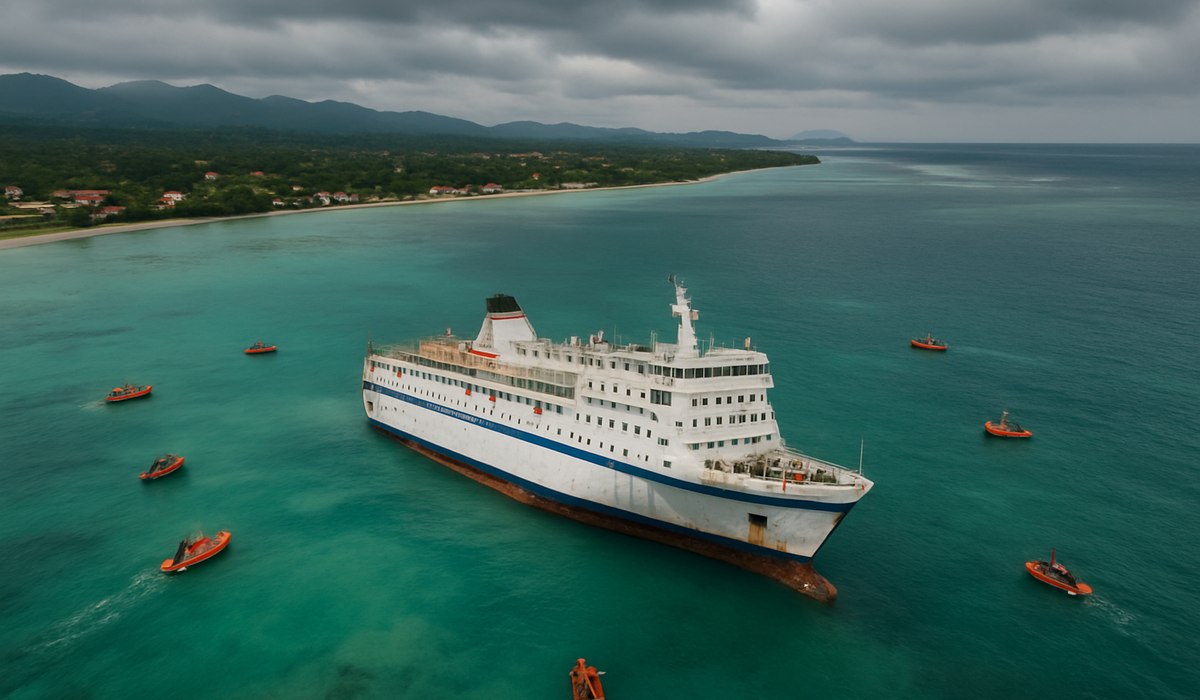
Image generated by AI
Technical Failure Leaves Passengers Stranded Mid-Lake
A floating bridge vessel carrying approximately 30 passengers experienced a mechanical failure on Chilika Lake in Odisha on April 8, 2026, leaving travelers stranded in the shallow waters of India's largest coastal lagoon. The incident occurred during morning service operations when the vessel suddenly lost propulsion capability, unable to maneuver through the silted waterway. All passengers remained aboard the immobilized craft while regional authorities coordinated a multi-agency rescue response. Though no serious injuries were reported and the vessel did not capsize, the stranding has intensified ongoing scrutiny of safety standards governing passenger transport across Chilika's busy corridors, particularly the heavily trafficked Janhikuda–Satapada waterway serving pilgrims and tourists bound for Puri.
Vessel Stalls Mid-Lake, Leaving Passengers in Limbo
The morning service disruption unfolded when mechanical complications rendered the floating bridge vessel inoperable away from shore. Regional newspaper accounts indicate that a technical snag—specific details remain limited from public disclosures—prevented the operator from steering or propelling the craft in Chilika's characteristically shallow, sediment-laden environment. Passengers, including families, pilgrims, and domestic tourists, faced an extended wait as neighboring jetties mobilized support vessels and rescue equipment.
Communication gaps compounded passenger anxiety; with spotty cellular coverage across the lagoon, relatives on shore struggled to obtain timely updates on those aboard. Local villages and towns heard rumors of the stranding before official channels confirmed details, creating concern among families awaiting loved ones. The incident demonstrated how routine ferry crossings can rapidly transform into extended emergencies when mechanical issues manifest mid-lake, where immediate shore access becomes impossible. Chilika's geography—characterized by expansive shallow zones, shifting sandbars, and limited large-vessel infrastructure—complicates rapid response protocols that maritime operators elsewhere might deploy routinely.
Rescue Efforts and Safe Evacuation Reported
Rescue coordination leveraged smaller craft operated by local ferry services and district-level support teams stationed at key landing points. Because Chilika's shallow draft prohibits deployment of larger rescue vessels, personnel relied on smaller boats to approach the disabled floating bridge vessel and systematically transfer passengers in phases. Transfer logistics accounted for the lagoon's variable depths, wind conditions, and passenger safety during the evacuation process.
According to regional coverage, passengers were successfully ferried to nearby ghats without major incident after spending hours aboard the stranded craft. Many travelers were pilgrims and domestic tourists whose itineraries depended on crossing the popular Janhikuda–Satapada corridor, a vital transport link connecting communities on opposite sides of the lagoon. The evacuation protocol, while ultimately successful, underscored the vulnerability inherent in operating passenger vessels on a waterway with minimal emergency infrastructure. Notably, publicly available reports confirmed no significant fuel spillage or visible environmental damage to the brackish lagoon ecosystem, easing immediate ecological concerns for sensitive bird and dolphin populations inhabiting Chilika's waters.
Safety Questions Mount Over Chilika Lake Operations
The stranding has reignited systematic concerns about floating bridge vessel maintenance, regulatory oversight, and passenger safety protocols across Chilika Lake. Earlier regional investigations documented periods when multiple floating vessels on the Janhikuda–Satapada route simultaneously operated out of service, forcing operators to substitute aging boats and improvised ferry services. Transport analysts have cited recurring patterns of technical breakdowns linked to aging equipment, inconsistent maintenance schedules, and seasonal capacity strain during peak pilgrimage and tourism months.
Safety observers have raised specific concerns including inadequate life-jacket inventory, absent or infrequent safety drills, and inconsistent enforcement of load-capacity and weather-dependent operational advisories. While the latest incident avoided catastrophic outcomes, experts warn that repeated mechanical failures indicate systemic vulnerability. If a future breakdown coincides with adverse weather, reduced visibility, or overloading conditions, the consequences could escalate to serious injury or loss of life. Local transport advocates have called for formalized maintenance regimens for all floating bridge vessel operations, independent third-party safety inspections, publicly displayed certifications at embarkation points, and real-time vessel availability tracking to restore traveler confidence.
Rising Traffic Strains Infrastructure on Popular Route
Chilika Lake serves as a flagship tourism destination for Odisha, attracting international and domestic visitors for migratory bird observation, Irrawaddy dolphin encounters, and temple island visits. The lagoon also functions as a critical transport corridor for pilgrims traveling between southern districts and the sacred temple city of Puri. Disruptions to floating bridge vessel service create downstream ripple effects affecting local economic sectors—boat operators, tour guides, hospitality providers, and food vendors all depend on consistent passenger flows through the waterway.
The floating bridge service has been promoted as a faster, more convenient alternative compared to traditional ferry routes, particularly for pilgrims. When vessels become disabled or remain out of service, alternative transport options quickly become overwhelmed, creating congestion on older boat services and improvised shuttle arrangements. Local stakeholders have emphasized that reliable floating bridge vessel operations are essential for maintaining Chilika's competitiveness as a regional tourism hub and for supporting the livelihoods of thousands employed in lake-dependent sectors. The April 8 stranding exposed infrastructure limitations that become increasingly apparent as annual passenger volumes continue rising.
Incident Timeline and Key Facts
| Aspect | Details |
|---|---|
| Incident Date | April 8, 2026 (morning service) |
| Location | Chilika Lake, Odisha, India |
| Vessel Type | Floating bridge vessel |
| Passengers Aboard | Approximately 30 (mix of pilgrims, tourists, locals) |
| Primary Cause | Technical/mechanical failure |
| Casualties | None reported |
| Evacuation Method | Smaller support craft coordination |
| Response Time | Extended (exact duration not publicly specified) |
| Environmental Impact | No significant fuel spillage reported |
| Primary Route Affected | Janhikuda–Satapada waterway |
| Broader Safety Issues | Equipment aging, maintenance gaps, load capacity oversight |
What This Means for Travelers
The Chilika Lake floating bridge vessel stranding carries important implications for prospective travelers planning visits to Odisha's premier lagoon destination:
-
Verify current vessel status before booking ferry passages. Contact local tour operators and authorities to confirm that specific floating bridge vessels are operational and have recent safety certifications displayed.
-
Build contingency time into itineraries that depend on Chilika Lake crossings. Mechanical delays are possible; traveling with buffer time prevents missed connections to Puri temples or other destinations.
-
Request safety documentation from operators, including life-jacket availability confirmation, crew training certifications, and load-capacity specifications before boarding any passenger vessel.
-
Travel during daylight hours when visibility is optimal and rescue coordination becomes easier if mechanical issues arise mid-lake.
-
Maintain communication methods including charged mobile devices and backup contact information for shore-based family members, given spotty cell coverage across the lagoon.
-
Choose established operators with documented maintenance records over informal or improvised ferry services, which may lack safety infrastructure and regulatory oversight.
-
Monitor regional news outlets for updates on vessel operations before travel dates, particularly during peak pilgrimage or tourism seasons when mechanical strain increases.
Frequently Asked Questions
What is a floating bridge vessel? A floating bridge vessel is a specialized ferry craft designed for shallow-water transportation, featuring pontoon-style hulls that maintain stability in sediment-laden environments like Chilika Lake. These vessels are engineered to navigate variable depths and seasonal sandbar shifts while accommodating passenger volumes typical
Disclaimer
This article is for informational and educational purposes only. It does not constitute legal, financial, or professional advice. While we strive to provide accurate and up-to-date information, travel policies, regulations, and conditions change rapidly. Always verify information with official sources before making travel decisions. Nomad Lawyer makes no representations about the accuracy, reliability, completeness, or suitability of the information provided. Readers should consult qualified professionals for advice specific to their circumstances. The views expressed in this article are those of the author and do not necessarily reflect the views of Nomad Lawyer.
Preeti Gunjan
Contributor & Community Manager
A passionate traveller and community builder. Preeti helps grow the Nomad Lawyer community, fostering engagement and bringing the reader experience to life.
Learn more about our team →