US Halloween 2026 Weather Alert: Texas, California, and Northwest Face Major Travel Disruptions

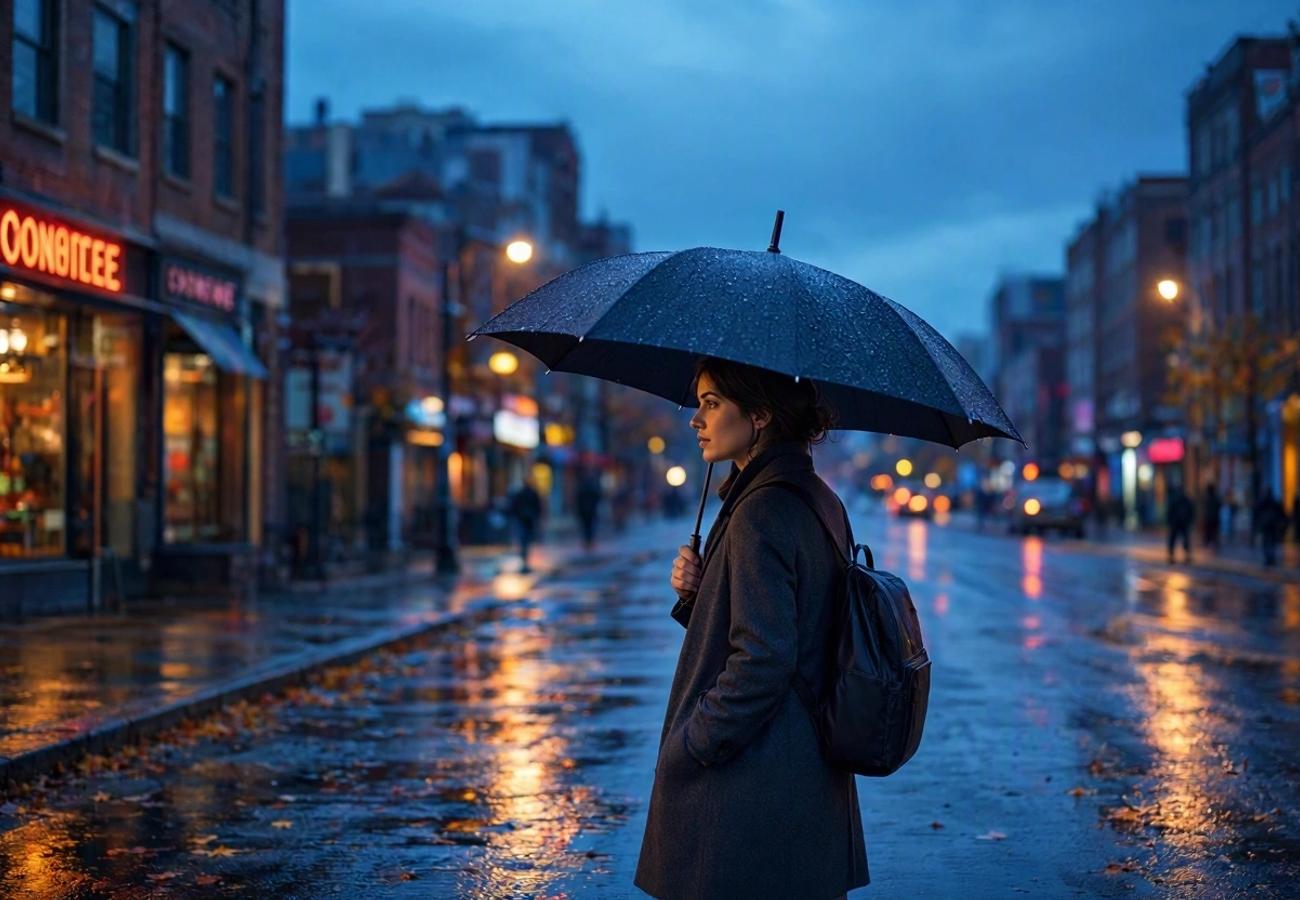
Image generated by AI
Severe weather volatility in the US has shifted significantly, with the 2026 Halloween window showing a higher correlation between Gulf moisture surges and mid-continent instability compared to the relatively dry patterns of 2025. This year, a concentrated corridor of instability stretching from Southern Texas through the Rocky Mountains is creating a high-risk environment for domestic travelers and event organizers.
The 2026 Halloween Weather Data Breakdown
Current meteorological data from AccuWeather, updated 28 October, indicates a fragmented weather map for the 31 October 2026 holiday. While the majority of the US mainland will avoid catastrophic storm systems, specific high-traffic tourism zones are facing critical alerts.
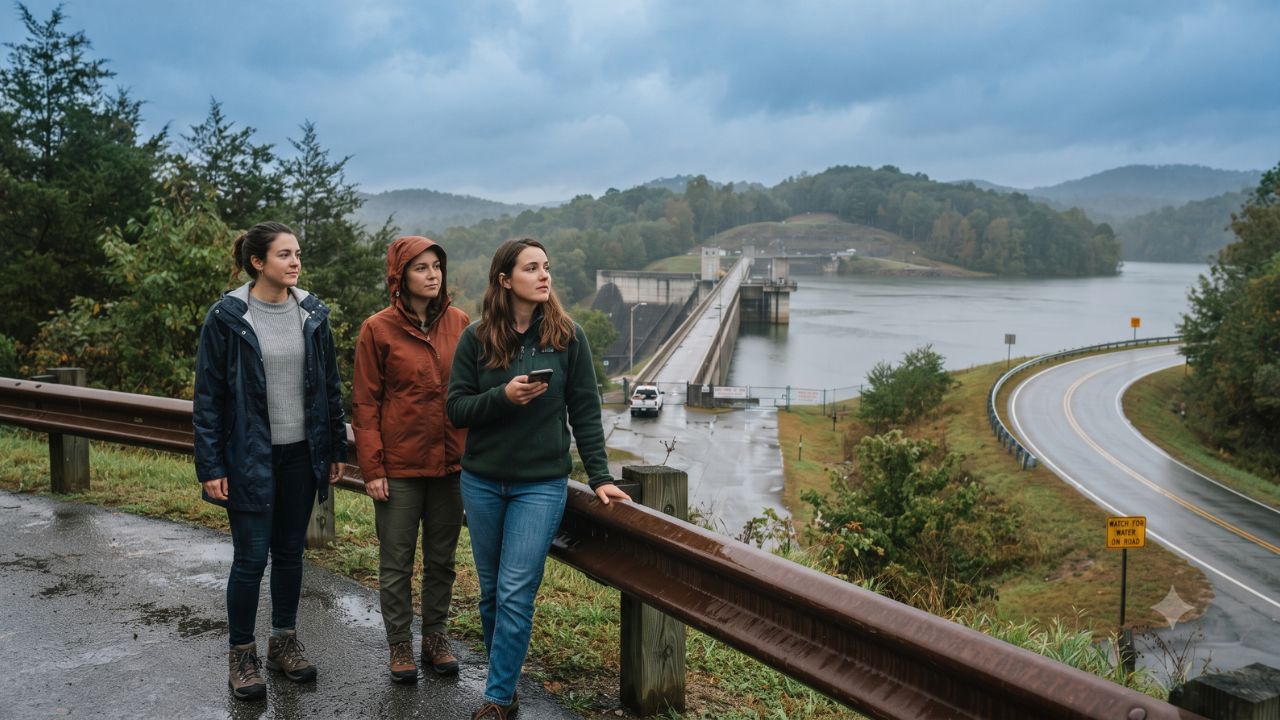
In the South, moisture migrating north from the Gulf of Mexico is fueling a period of instability from 29 October through 31 October. This is not merely a forecast for light rain; the data suggests a high probability of heavy downpours and flash flooding in Southern Texas and western/central Kansas. For urban hubs like Houston and San Antonio, this translates to potential logistical failures in road networks and outdoor venue accessibility.
Simultaneously, the West Coast is seeing a deviation from typical late-October dryness. Showers are projected to hit Los Angeles and San Diego by Saturday, 31 October. While these are not forecasted as severe thunderstorms, the impact on "last-mile" travel—the movement between hotels, theme parks, and event venues—will be substantial.
Regional Volatility: Rainfall vs. Temperature Shifts
The 2026 trend shows a stark divide between "soggy" southern regions and "freezing" northern territories. While the South battles water volume, the Northwest is battling a precipitous drop in RealFeel temperatures.
| Region | Primary Weather Threat | Forecasted Impact / Metric | Risk Level |
|---|---|---|---|
| Southern Texas | Heavy Rain / Flash Flooding | High moisture from Gulf of Mexico | Critical |
| Central Kansas | Thunderstorms | Interruptions to outdoor activities | Moderate |
| Southern California | Occasional Showers | Disruption to LA/San Diego venues | Low-Moderate |
| Pacific Northwest | Freezing Temperatures | RealFeel 30s-40s°F (-1°C to 9°C) | Moderate |
| Florida Peninsula | Isolated Showers | Scattered, non-prolonged rainfall | Low |
| Hawaii | Tropical Rainstorm Olana | Substantial tropical moisture | High |
This distribution of risk suggests that travelers moving between these regions in Q4 must prepare for extreme gear shifts—from waterproof flood-gear in Texas to thermal insulation in Montana and Wyoming. Data from the World Meteorological Organization (WMO) indicates that such regional volatility is becoming more common as atmospheric rivers and Gulf moisture patterns shift.
What This Means for Travelers
For those navigating the US during the Halloween weekend, the data suggests three primary actionable strategies to avoid travel failure:
- The "Wet-Zone" Protocol (Texas, Louisiana, California): If you are visiting Houston, San Antonio, or New Orleans, assume that outdoor walking tours and open-air attractions will face delays. Booking indoor alternatives or ensuring your hotel is within walking distance of your primary destination is essential to avoid gridlock caused by flash flooding on local roads.
- The "Thermal-Layer" Requirement (Montana, Idaho, Wyoming, WA, OR): RealFeel temperatures in the 30s and 40s Fahrenheit (-1°C to 9°C) are forecasted. Travelers from warmer climates frequently underestimate the rapid temperature drop after sunset in the Rockies. Insulated footwear and thermal base layers are non-negotiable for any outdoor activity.
- The "Flex-Schedule" Approach (Florida, Hawaii): With isolated showers in Florida and the impact of Tropical Rainstorm Olana in Hawaii, the key is temporal flexibility. Monitor real-time updates via the National Weather Service (NWS) to shift outdoor sightseeing to windows of clear weather.
Forward Projection: The Q4 Weather Trajectory
Based on current trajectories, the instability seen during the Halloween window is likely a precursor to a volatile November. The movement of Gulf moisture into the central US suggests a pattern of unsettled weather that could impact Thanksgiving travel corridors.
We are seeing a pattern where "seasonal" weather is becoming less predictable, forcing a shift in how the travel industry handles event insurance and contingency planning. Tourism operators in the South are increasingly moving toward "hybrid" event models—where outdoor attractions have immediate indoor redundancies—to protect revenue against these localized flash-flood events.
FAQ: US Halloween Travel 2026
Will flight schedules be affected by the Texas and Hawaii storms? While localized flash flooding usually impacts ground transport, Tropical Rainstorm Olana in Hawaii may cause flight delays or cancellations. Check your airline's investor relations or operational status page for real-time updates.
Is it safe to visit outdoor pumpkin patches in Kansas or Texas? Yes, but monitor local flash flood warnings. If heavy rain begins, avoid low-lying areas and unpaved roads, as these are the first to become impassable during Gulf moisture surges.
Should I cancel my Southern California outdoor events? Cancellation is likely unnecessary as showers are expected to be occasional rather than severe. However, carrying lightweight waterproof gear is highly recommended for Los Angeles and San Diego.
How cold will it actually feel in the Pacific Northwest? RealFeel temperatures are expected to be between -1°C and 9°C. This is significantly colder than the actual air temperature due to wind chill and humidity, requiring thermal clothing.
Prepare for the unpredictable; in 2026, the weather is the only thing more surprising than the costumes.
Related Travel Guides
This article is for informational purposes. Flight routes, passenger regulations, visa rules, and transit advisories are subject to change by airlines and aviation authorities. Readers are advised to verify schedules and travel documentation with relevant carriers and border agencies before departure.
Related Stories

Hawaii Travel Alert 2026: Tropical Rainstorm Olana Triggers Flash Flood and Landslide Warnings for Maui and O‘ahu
NOAA Issues Flash Flood Warning for Texas, Oklahoma, Kansas, and Missouri October 14-16 2026