
Flight Disruptions Mount at LAX: 69 Delays Hit Major Carriers on April 10
Flight disruptions mount at Los Angeles International Airport as 69 delayed departures cascade through major carriers in 2026. American, Delta, United, and Alaska face afternoon and evening disruptions affecting transcontinental and international routes.

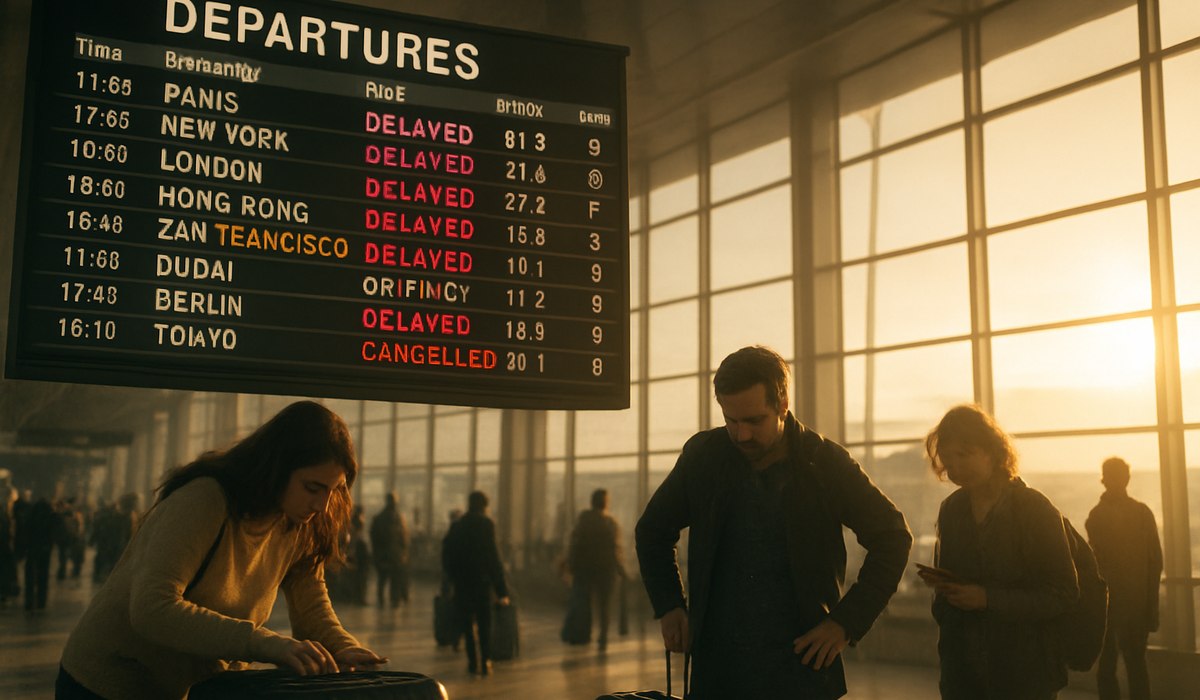
Image generated by AI
Flight Disruptions Mount at LAX as 69 Delays Cascade Through Major Carriers
Los Angeles International Airport experienced significant operational strain on April 10, 2026, when flight disruptions mount across the system, affecting 69 delayed departures among major U.S. and international carriers. The cascading disruptions rippled through an already-stretched air travel network, impacting passengers on transcontinental routes to Chicago, New York, Dallas, and Seattle, as well as international flights heading to Europe, Asia, and Latin America. Real-time tracking data from FlightAware revealed the disruptions clustered heavily during afternoon and evening peak hours, when LAX's role as a critical West Coast connection hub magnified the ripple effects across the country.
Delays Concentrated Among Major Domestic and International Carriers
The April 10 delay cascade hit LAX's largest operators hard. American Airlines, Delta Air Lines, United Airlines, and Alaska Airlines all appeared prominently in delay logs, with foreign carriers including European and Asian-based airlines serving long-haul routes equally affected. Flight disruptions mount when major carriers operating from a single hub experience simultaneous schedule strain, creating a domino effect for connecting passengers.
The impacted flights targeted major hub airports critical to nationwide connectivity. Routes bound for Chicago's O'Hare, New York's JFK and LaGuardia, Dallas-Fort Worth, Seattle-Tacoma, and Vancouver all experienced downstream delays as late-arriving aircraft pushed subsequent departures into evening banks. With LAX functioning as the primary connection point for West Coast travelers, operational disruptions at this single airport reverberated across the entire national air traffic system, affecting thousands of passengers booked on multiple legs.
Publicly available aviation data showed that while actual cancellations remained modest, the volume of delayed departures indicated systemic strain rather than isolated incidents. The afternoon and evening operational peaks proved particularly vulnerable, suggesting that ground crews, air traffic controllers, and airline staff faced capacity limits as traffic accumulated throughout the day.
Cascading Disruptions Extend Beyond Southern California
When flight disruptions mount at a hub airport, the consequences extend far beyond the originating location. LAX's role as a major transcontinental and transpacific gateway meant that delayed arrivals fed into evening push operations at Chicago, New York, and Dallas hubs, creating secondary disruption waves hours after the original LAX delays began.
Passengers with tight connections paid the steepest price. Same-day onward journeys became impossible for many travelers whose inbound flights arrived late, forcing rebooking onto fully-booked evening and next-day flights. Airport hotels near LAX filled quickly as travelers found themselves stranded overnight, unable to continue their journeys until aircraft and crews became available for the next operational cycle.
Industry observers note that modern air networks operate with minimal buffer time between flights. When one airport experiences delays, the effect propagates through the system like a wave, affecting flights originating from unrelated airports. A delay in LAX's afternoon operations directly translated into missed connections in Chicago or Dallas by early evening, forcing cascading rebooking sequences across multiple carriers' networks.
The FAA tracks these propagation patterns as part of its National Airspace System monitoring. On April 10, the agency's capacity metrics showed elevated delay indices across western and central U.S. airspace, directly correlating with the LAX operational challenges.
System Strain and Recovery Challenges
Recovery from the April 10 disruptions proved difficult due to compounding operational factors. Aircraft and crew scheduling built only minimal slack into daily operations, meaning that each delayed departure rippled into subsequent flights. A departure delayed by two hours at LAX became a three-hour delay at the connecting hub by the time ground service, fuel, and crew changes occurred.
Construction and modernization work at LAX, part of the airport's multiyear transformation project, contributed to operational bottlenecks. New rail links, consolidated rental car facilities, and airfield improvements design long-term congestion relief, but ongoing work occasionally created short-term constraints in curbside access, ramp availability, and gate utilization. On high-traffic days like April 10, these temporary limitations magnified the impact of schedule disruptions.
Ground handling staffing remained another critical variable. With tight labor markets affecting airlines and ground service providers nationwide, operational capacity at LAX on April 10 reflected broader industry challenges in hiring and retaining sufficient personnel for peak-hour operations. When traffic volume exceeded staffing capacity, turnaround times extended, pushing departure banks further into evening hours.
Passenger Impact and Real-Time Consequences
Social media posts and traveler forums captured the human dimension of the April 10 delays. While some passengers experienced manageable one-to-two-hour holdups, others faced serious trip disruptions spanning multiple flight legs. Families missed connections to overseas destinations, business travelers lost meeting windows, and passengers booked on tight connections found themselves rebooked on flights one or two days out.
The afternoon and evening concentration of delays proved particularly problematic for connecting passengers. Someone arriving from the East Coast at 4 p.m. expecting a 6 p.m. departure to Hawaii suddenly found that flight delayed to 8:30 p.m., triggering a domino effect for all subsequent connections. Airlines exhausted rebooking options as remaining flights for the day filled completely, forcing many passengers into hotel accommodations and alternative routing through different hubs.
For international travelers, the delays created visa and travel documentation complications. Passengers with tight connections to flights departing the United States risked missing critical onward international flights, with associated financial and logistical consequences. Pet accommodations, rental car reservations, and hotel bookings upstream of intended destinations all faced adjustment as passengers' original arrival times shifted by hours or days.
The U.S. Department of Transportation tracks passenger compensation and airline accountability for flight disruptions through established regulations. During the April 10 events, the DOT received reports from passengers regarding delays and missed connections, contributing to ongoing oversight of carrier performance during operational strain events.
Traveler Action Checklist
If you're affected by flight disruptions while traveling, follow these steps to minimize impact and protect your rights:
-
Check real-time flight status on FlightAware or your airline's app before heading to the airport; departures delayed beyond two hours may still be operating.
-
Contact your airline immediately via phone or app to discuss rebooking options before delays cascade further; earlier action increases availability on alternative flights.
-
Document everything with screenshots of flight displays, booking confirmations, and delay notifications for potential compensation claims and expense reimbursement.
-
Request hotel and meal vouchers if you're stranded overnight; U.S. carriers are required to provide these during significant delays under DOT regulations.
-
Understand your compensation rights under Department of Transportation rules, which may entitle you to cash compensation for delays exceeding three hours on domestic flights.
-
Monitor connection impacts in real-time; if your inbound flight is delayed, proactively contact your next carrier about rebooking before the system auto-processes missed connections.
-
Explore alternate routing through different hubs if delays affect your original airline; sometimes rebooking through a competing carrier to a different hub reaches your destination faster.
-
Keep receipts for all expenses incurred due to delays, including hotels, meals, ground transportation, and phone calls; these become reimbursable under airline delay policies.
-
File compensation claims after your trip using online DOT submission tools and airline customer service portals within specified timeframes (typically 60-90 days).
-
Report persistent issues to the FAA and DOT Consumer Affairs division; aggregate passenger reports influence regulatory oversight and operational improvements.
Key Data: April 10 Disruption Summary
| Metric | Value | Impact |
|---|
Disclaimer
This article is for informational and educational purposes only. It does not constitute legal, financial, or professional advice. While we strive to provide accurate and up-to-date information, travel policies, regulations, and conditions change rapidly. Always verify information with official sources before making travel decisions. Nomad Lawyer makes no representations about the accuracy, reliability, completeness, or suitability of the information provided. Readers should consult qualified professionals for advice specific to their circumstances. The views expressed in this article are those of the author and do not necessarily reflect the views of Nomad Lawyer.
Raushan Kumar
Founder & Lead Developer
Full-stack developer with 11+ years of experience and a passionate traveller. Raushan built Nomad Lawyer from the ground up with a vision to create the best travel and law experience on the web.
Learn more about our team →