Government Travel Ban Targets 13 Unsafe Countries in 2026: Impact on Flights and Insurance

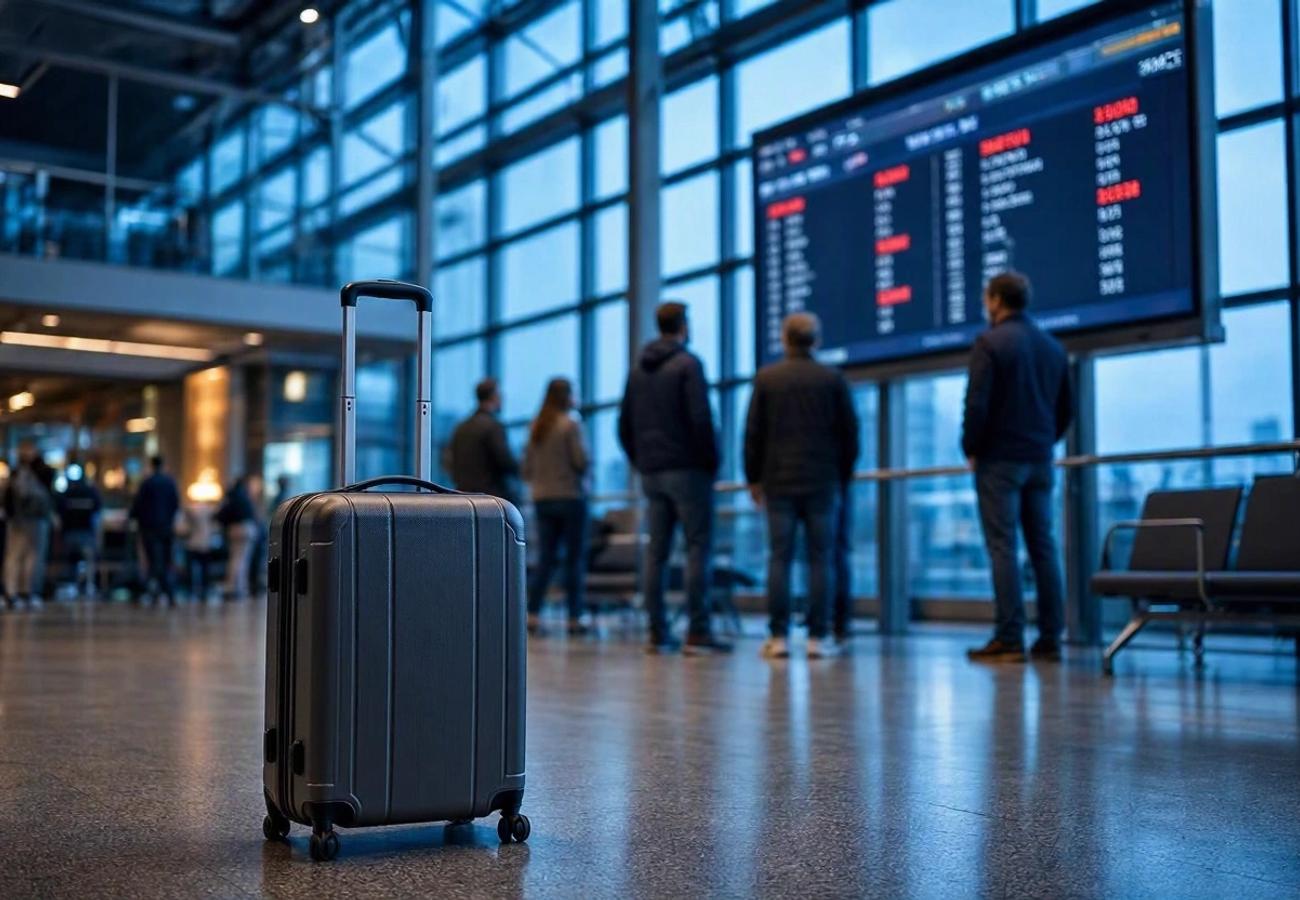
Image generated by AI
Most travelers believe a "Do Not Travel" advisory is merely a suggestion, but a new government order has transformed these warnings into a hard ban for 13 specific nations. This sudden shift has effectively frozen non-essential movement to and from these destinations, leaving thousands of passengers stranded and voiding thousands of insurance policies overnight.
The 2026 Shift from Advisories to Prohibitions
For the past two years, travelers have seen a gradual tightening of security protocols. Throughout 2025 and 2026, several destinations slid into the highest risk categories due to a combination of armed conflict, systemic civil unrest, and emerging health crises. However, the current mandate is different; it is no longer an incremental warning.
The government has now grouped 13 states under a single "unsafe" umbrella policy. This move has immediate legal and operational consequences: new entry visas are being denied across most categories, and commercial air corridors are being systematically dismantled. While citizens and permanent residents generally maintain the right to return to their home countries, they should expect rigorous health screenings and potential mandatory quarantine upon arrival.
Operational Chaos: Flights and Refunds
The aviation industry is reacting in real-time. Carriers are not just cutting frequencies; they are rerouting long-haul flights to avoid the airspace of these 13 nations. This adds significant flight time and operational costs, even for passengers whose final destination is not on the banned list.
For those with existing bookings, the situation is a legal minefield. While many consumer protection laws treat a government ban as a valid reason for a no-penalty refund, the actual execution depends on the fine print of the carrier or tour operator.
Logistics and Recovery Framework
| Impact Area | Immediate Effect | Recommended Action |
|---|---|---|
| Flight Status | Route suspensions or rerouting | Check IATA for updated carrier status |
| Refunds | Variable by operator | Document written proof of ban; escalate to national consumer bodies |
| Visas | Issuance paused for most categories | Contact nearest embassy for emergency exemptions |
| Insurance | Coverage voided for new bookings | Review policy "Known Events" and "Government Prohibition" clauses |
Visitor Insider Tips
Having navigated sudden border closures in the past, I can tell you that the "official" word often lags behind the reality on the ground. If you are caught in a region facing these restrictions, follow these local survival tactics:
- The "Last-Country-Visited" Trap: Be aware that some borders apply a 14 to 21-day rule. Even if you have left a banned country, you may be denied entry elsewhere if you spent time there within the last three weeks.
- Transit Grey Zones: Do not assume a layover is safe. Some jurisdictions allow airside transit, while others treat any presence in a flagged airport as a violation. Always verify with the Official Government Travel Portal or equivalent for your transit hub.
- Insurance Timing: If you bought your policy before the ban was formalized, you may still have coverage. If you bought it after, you are likely uncovered for any events related to these 13 countries.
- Documentation: Keep digital and physical copies of your residence permits. In times of blanket bans, these are the only documents that typically override entry prohibitions.
Cultural and Environmental Context
The human cost of these bans extends far beyond missed vacations. For the 13 affected nations, the sudden label of "unsafe" triggers a collapse in tourism revenue, which often supports the most vulnerable local communities. When wealthier markets follow government guidance blindly, hotel occupancy and local guide employment vanish instantly.
Furthermore, these bans create a "connectivity vacuum." Many of these nations serve as regional feeders for larger aviation networks. When these links break, neighboring stable countries also lose their efficient one-stop connections to the rest of the world. This disrupts not only people but the flow of critical freight, including medical supplies and perishable goods, which must now be rerouted through more expensive, distant hubs.
FAQ: Visiting Restricted Zones 2026
Can I still travel for business or health emergencies? Yes. Exceptions generally exist for emergency medical transfers, diplomatic missions, and critical infrastructure maintenance (such as undersea cables). These require special authorization letters and enhanced screening.
Will my travel insurance cover a trip to a banned country? Likely not. Most policies exclude "known events," war, or government prohibitions. Coverage typically only applies if the policy was purchased before the formal ban was announced.
What happens if I am currently in one of the 13 countries? Citizens and residents can usually return home, but you may face mandatory quarantine and limited flight options as airlines reduce capacity.
Do transit rules apply if I don't leave the airport? It depends on the country. Some allow airside transit, while others apply "last-country-visited" rules that restrict entry based on your recent travel history.
When the map turns red, the only safe route is the one backed by official documentation.
Related Travel Guides
This article is for informational purposes. Flight routes, passenger regulations, visa rules, and transit advisories are subject to change by airlines and aviation authorities. Readers are advised to verify schedules and travel documentation with relevant carriers and border agencies before departure.
Related Stories
UK FCDO Updates Travel Advice for Turkey, Egypt and 11 Other Nations in 2026

Africa World Airlines Apologises After Kumasi-Accra Flight Chaos Strands Passengers in 2026