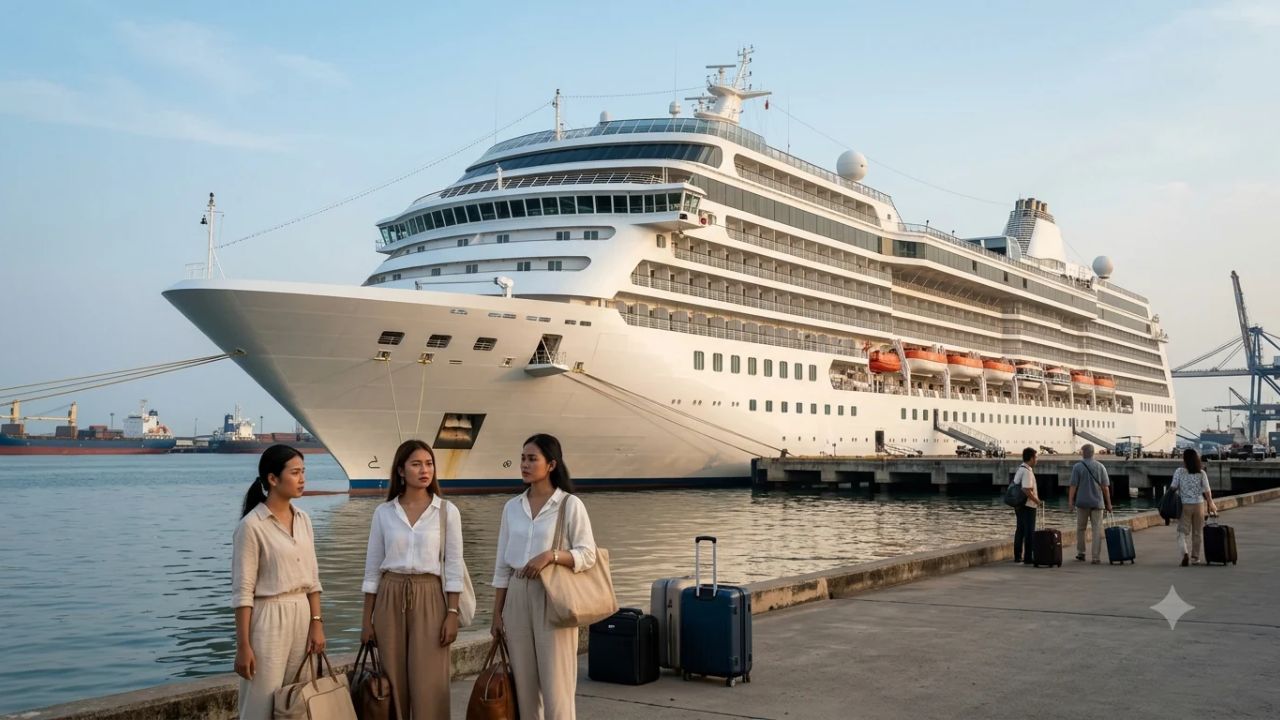
Villa Vie Odyssey Residential Cruise Halts in Cambodia Stranding 200 Passengers in 2026

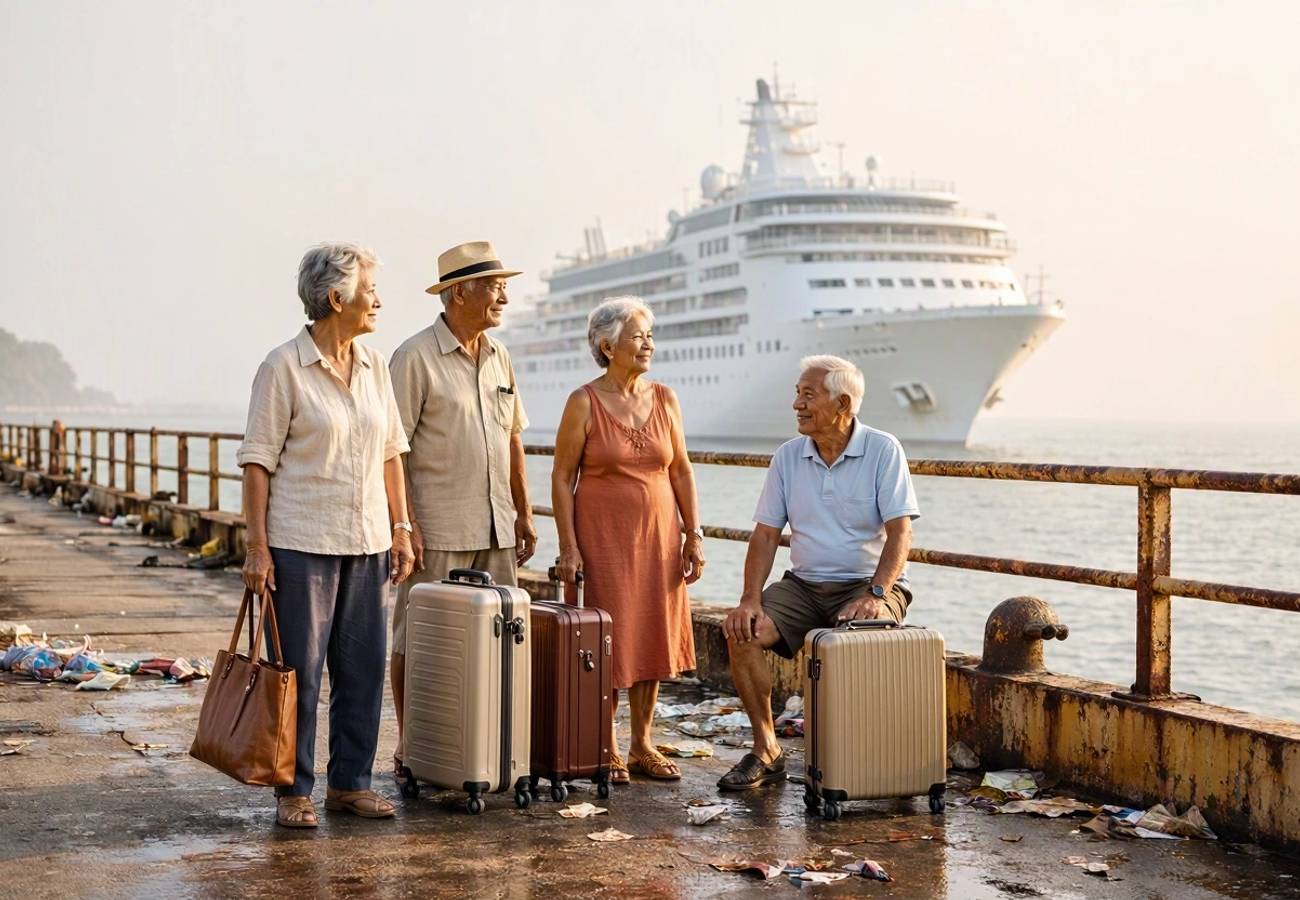
Image generated by AI
More than 200 passengers who liquidated their land-based assets to live permanently at sea have been stranded in Cambodia after the Villa Vie Odyssey abruptly suspended its "never-ending" global itinerary. The vessel, operated by a U.S.-linked entity, halted operations in the port city of Sihanoukville, forcing residents to disembark with little notice as the company signaled its intent to seek Chapter 11 bankruptcy protection in the United States.
The Collapse of the Floating Residence Model
The Villa Vie Odyssey was not marketed as a traditional vacation, but as a residential solution. The company sold long-term contracts and cabins, encouraging retirees and digital nomads to sell their homes and cars to establish a permanent address on the water. This "cruise for life" model promised a multi-year, open-ended journey that bypassed the need for traditional real estate.
The sudden cessation of service was triggered by a massive financial shock. According to industry reports, global fuel prices spiked following geopolitical instability involving Iran, which disrupted primary shipping lanes and drove marine fuel costs up by several hundred percent. For a residential ship—which carries far fewer passengers than a mega-liner but incurs similar operational overhead—these costs became mathematically unsustainable.
Logistics of the Sihanoukville Disembarkation
The timing and location of the halt have created a logistical crisis for the 200+ individuals on board. Sihanoukville, while growing as a resort hub, lacks the high-volume international connectivity of airports in Bangkok or Singapore. Passengers are currently navigating a fragmented transit network, often requiring additional legs through Phnom Penh or Ho Chi Minh City to reach long-haul gateways.
| Impact Category | Detail | Passenger Consequence |
|---|---|---|
| Passenger Count | 200+ residents and guests | Mass disembarkation in a non-hub city |
| Financial Trigger | Fuel costs rose several hundred % | Company seeking Chapter 11 bankruptcy |
| Housing Status | Many sold primary residences | Immediate need for hotels/rentals in Cambodia |
| Legal Status | U.S.-linked operator | Complexities in pursuing U.S. bankruptcy claims |
| Exit Routes | Sihanoukville $\rightarrow$ Phnom Penh/HCMC | Limited direct long-haul flight options |
Expert Analysis: The Legal Void in Residential Cruising
For travelers booking these "life at sea" products, the direct consequence is a dangerous gap in consumer protection. Traditional cruises are leisure contracts; residential cruises are marketed as lifestyle investments. When a standard cruise is canceled, passengers typically seek a refund for a specific window of time. However, Villa Vie Odyssey residents had integrated their entire lives—including mail services, healthcare routines, and small businesses—into the vessel.
The pricing pressure created by fuel volatility reveals a fundamental flaw in the residential model: the lack of a "fuel surcharge" mechanism that can scale with geopolitical shocks. Most residential contracts are fixed-cost or long-term leases, meaning the operator absorbs the volatility until the point of insolvency.
From a legal perspective, these passengers are now creditors in a Chapter 11 proceeding. Because many sold their homes to enter this agreement, they lack the liquidity to sustain long-term hotel stays in Southeast Asia while waiting for a court to determine the distribution of remaining assets. This mirrors the 2023 Life at Sea Cruises failure, suggesting that the industry lacks the mandatory escrow requirements or repatriation guarantees that the International Air Transport Association (IATA) or similar regulatory bodies enforce in aviation.
Key Takeaways
- Asset Risk: Residential cruising often requires "all-in" financial commitments; the loss of the vessel means the loss of both a home and a travel contract.
- Fuel Volatility: Small-capacity residential ships are hyper-sensitive to marine fuel price spikes compared to mass-market liners.
- Repatriation Gaps: There is currently no standardized international maritime requirement for operators to provide repatriation funds for "residents" versus "tourists."
- Logistical Bottlenecks: Disembarking in secondary ports like Sihanoukville significantly increases the cost and complexity of returning to North America or Europe.
FAQ: Residential Cruise Failures 2026
What happens to my money if a residential cruise files for bankruptcy? You become an unsecured creditor in the bankruptcy proceedings. Recovery of funds depends on the company's remaining assets and the priority of claims established by the court, often taking months or years.
Are residential cruise passengers covered by travel insurance? Most standard travel insurance policies cover trip cancellation or interruption, but they rarely cover the loss of a "permanent residence" or the total collapse of a multi-year lifestyle contract.
How can I verify the financial stability of a "cruise for life" company? Look for transparency regarding vessel ownership, evidence of escrow accounts for passenger funds, and clear contractual guarantees for repatriation in the event of operational failure.
When your home is a ship, a bankruptcy filing isn't just a financial loss—it's an eviction at sea.
Related Travel Guides
This article is for informational purposes. Flight routes, passenger regulations, visa rules, and transit advisories are subject to change by airlines and aviation authorities. Readers are advised to verify schedules and travel documentation with relevant carriers and border agencies before departure.
Related Stories
Villa Vie Odyssey Stranded in Cambodia: Logistics Guide for Residents Disembarking in Sihanoukville 2026

Villa Vie Odyssey Fuel Crisis: 200 Residents Stranded in Cambodia After 'Endless' Cruise Collapse 2026