
What Flight Attendants Really Notice: Six Passenger Behaviors That Stand Out at 35,000 Feet
Breaking airline news and aviation industry updates for 2026.

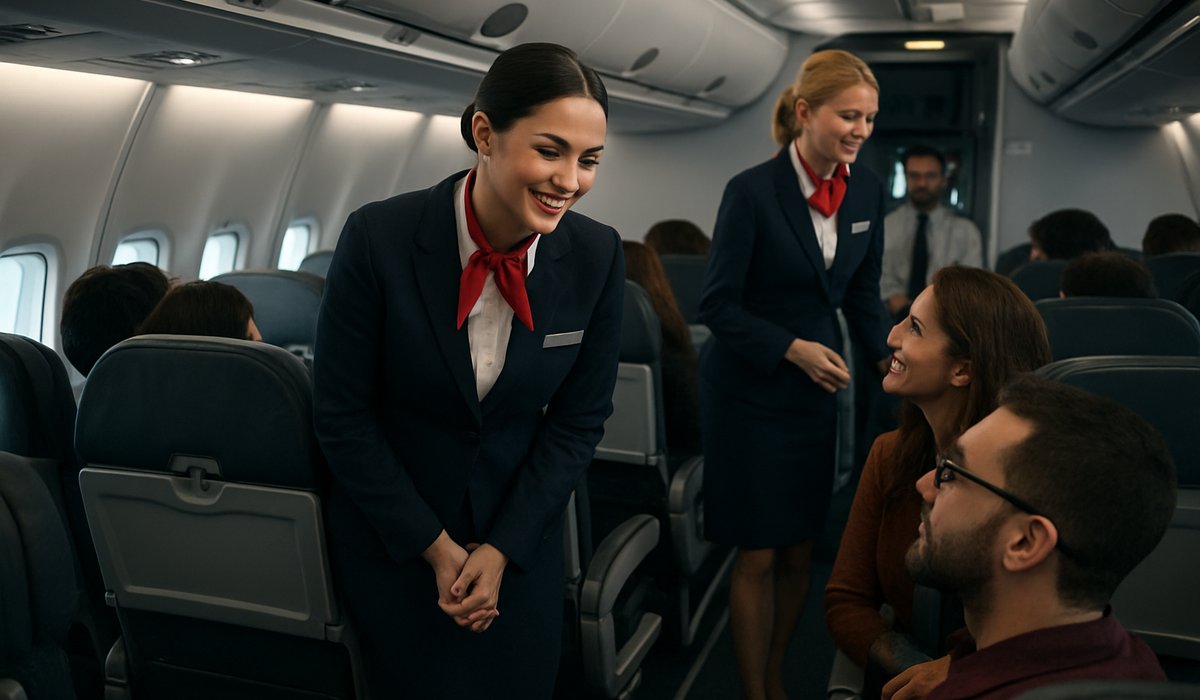
Image generated by AI
What Flight Attendants Really Notice: Six Passenger Behaviors That Stand Out at 35,000 Feet
Inside the cabin: How crew professionalism is tested daily by traveler conduct patterns that define the modern flying experience
The Unwritten Rules of Air Travel
Every commercial flight brings together hundreds of strangers in one of humanity's most confined shared spaces—a dynamic that places extraordinary demands on airline crew members tasked with maintaining safety, punctuality, and passenger welfare simultaneously. While most travelers concentrate on seat selection, baggage allowances, and onboard amenities, flight attendants operate from an entirely different operational framework, one shaped by years of managing complex social dynamics at altitude.
Industry insiders reveal that cabin crew spend their working hours observing behavioral patterns that either facilitate smooth operations or introduce preventable complications. The distinction matters considerably, as crew efficiency directly impacts everything from on-time departures to passenger safety compliance.
Six Behavioral Markers Flight Crews Monitor
Flight attendants consistently identify six specific passenger conduct patterns that either enhance or diminish the collective flying experience. These observations, accumulated across thousands of flight hours, reveal what crew members consider indicators of considerate versus problematic behavior in the cabin environment.
Passengers who demonstrate awareness of fellow travelers—respecting armrest boundaries, maintaining reasonable volume levels, and showing patience during boarding procedures—consistently earn positive recognition from crew members. Conversely, behaviors including aggressive gate interactions, demands for special treatment, or non-compliance with safety briefings register immediately with experienced staff.
Why This Matters for Aviation Industry Standards
The aviation sector operates under increasingly tight margins where passenger cooperation directly influences operational efficiency. Airlines invest substantial resources in crew training programs designed to manage behavioral challenges while maintaining service standards. When passengers demonstrate baseline courtesy and rule compliance, these systems function optimally.
Flight attendants emphasize that their primary responsibility remains passenger safety—a mandate that depends fundamentally on crew-passenger cooperation. The distinction between routine operations and complicated flights often hinges on whether travelers approach the cabin experience as a shared responsibility rather than a consumer transaction.
The Professional Perspective
Experienced crew members acknowledge that air travel induces stress across diverse passenger demographics. However, crews develop sophisticated capabilities for distinguishing between circumstantial frustration and deliberate non-cooperation. This professional judgment informs how flight attendants approach their daily responsibilities.
Understanding crew priorities provides travelers valuable insight into optimizing their own flying experience while contributing to safer, more efficient aviation operations for everyone aboard.
FAQ: Understanding Flight Attendant Priorities
What behaviors do flight attendants notice most on commercial flights? Crew members pay particular attention to passenger compliance with safety protocols, respectful treatment of fellow travelers, patience during boarding procedures, and cooperation with cabin service operations.
How does passenger behavior impact flight operations and scheduling? Cooperative passengers enable expedited boarding, smoother cabin service delivery, and reduced delays. Non-compliant behavior frequently extends turnaround times and creates cascading scheduling complications across airline networks.
Why do flight attendants emphasize safety briefing compliance? Safety briefings remain regulatory requirements that directly protect all passengers. Crew attention to briefing engagement helps identify which passengers understand emergency procedures—critical information during unexpected situations.
What constitutes disruptive behavior in aviation? Airlines define disruptive conduct as aggression toward crew, verbal abuse, physical threats, intoxication-related incidents, or deliberate non-compliance with safety directives. Such behavior triggers FAA reporting requirements and potential legal consequences.
How can passengers improve their relationship with flight crew? Simple courtesies including punctuality for boarding, respect toward crew instructions, consideration for adjacent passengers, and patience during service operations consistently earn crew recognition and contribute to positive flight experiences.
Related Travel Guides
Flight Delay Compensation Guide 2026
Understanding Airline Route Changes
Airport Security Process Updated (2026)
External Resources
Disclaimer
This article is for informational and educational purposes only. It does not constitute legal, financial, or professional advice. While we strive to provide accurate and up-to-date information, travel policies, regulations, and conditions change rapidly. Always verify information with official sources before making travel decisions. Nomad Lawyer makes no representations about the accuracy, reliability, completeness, or suitability of the information provided. Readers should consult qualified professionals for advice specific to their circumstances. The views expressed in this article are those of the author and do not necessarily reflect the views of Nomad Lawyer.
Raushan Kumar
Founder & Lead Developer
Full-stack developer with 11+ years of experience and a passionate traveller. Raushan built Nomad Lawyer from the ground up with a vision to create the best travel and law experience on the web.
Learn more about our team →