
Fiji Issues Urgent Marine Travel Warning as 4-Meter Swells Threaten Inter-Island Routes
A high-pressure system southwest of Fiji generates hazardous 4-meter ocean swells and long 16-second wave periods, disrupting marine transfers across key tourist island routes.

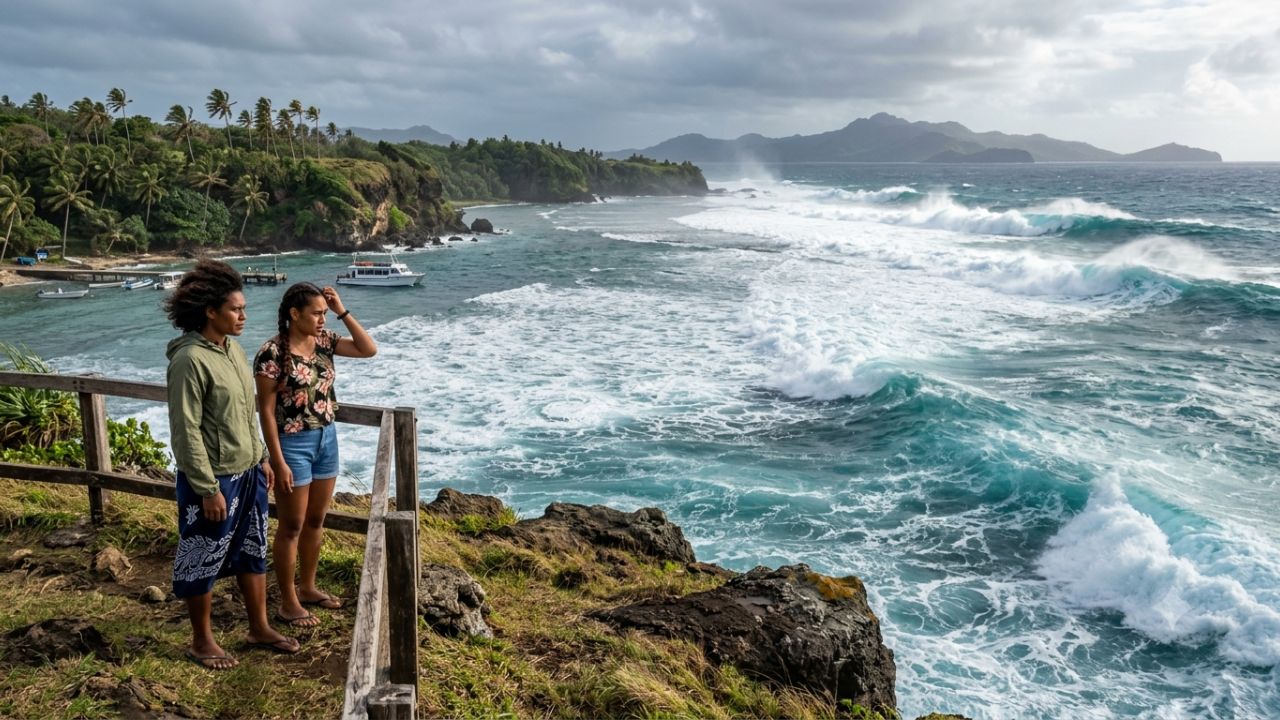
Fiji's weather authorities have issued a severe swell alert as 4-meter ocean waves threaten coastal transfers and inter-island ferry services.
SUVA, Fiji — Weather authorities in Fiji have issued an urgent travel and marine alert across multiple island regions as a powerful high-pressure system southwest of the country drives hazardous southwesterly ocean swells reaching up to 4 meters in open waters.
The meteorology bulletin warns of long-period ocean waves extending up to 16 seconds, creating severe risks for small vessels, inter-island ferry operations, coastal resorts, and water sports excursions. Key maritime transit corridors—including South West Viti Levu waters, the Yasawa and Mamanuca/Ramanujan island groups, Kadavu Passage, the Koro Sea, and Southern Lau waters—remain under active swell monitoring.
High-Pressure Weather System Generates Long-Period Ocean Energy
The developing maritime hazard stems from a intense high-pressure system positioned far to the southwest of the archipelago. As the atmospheric pressure gradient strengthens, it propels concentrated southwesterly ocean swells across exposed South Pacific channels.
Unlike short-period wind waves, long-period ocean swells carrying 16-second intervals retain massive energy over vast distances. When these deep-water swells approach shallow fringing reefs, coastal shelves, and narrow channels, they surge rapidly, producing unpredictable wave breaks and dangerous rip currents.
Fiji Marine Travel Alert Specifications
| Parameter | Official Weather Warning Detail |
|---|---|
| Primary Hazard | Damaging heavy southwesterly swells |
| Maximum Wave Height | Up to 4.0 meters (13.1 feet) in open waters |
| Wave Period Interval | Long-period swells up to 16 seconds |
| Weather Driver | Deep high-pressure system southwest of Fiji |
| Primary Vulnerable Craft | Small passenger boats, skiffs, recreational vessels, fishing craft |
| Key Affected Activities | Inter-island ferries, reef diving, sea kayaking, coastal transfers |
High-Risk Island Corridors and Tourism Operations Under Watch
Because sea transport is essential for daily travel between Fiji's 330 islands, heavy swell events directly impact both local community transit and international tourism operations. Resort island transfers operating out of Port Denarau toward popular vacation hubs are facing operational reviews and potential schedule adjustments.
The alert highlights several critical marine zones where long-period waves build into dangerous surfs upon encountering barrier reefs.
Affected Fiji Marine Regions and Exposure Profile
| Affected Marine Region | Geographic & Economic Significance | Expected Weather Impact |
|---|---|---|
| South West Viti Levu Waters | Main island corridor; connects main international travel hubs | Heavy wave action across coastal resorts and shipping channels |
| Yasawa & Mamanuca/Ramanujan Waters | Major resort destination featuring high volume boat transfers | Hazardous beach landings, rough passage crossings, trip delays |
| Kadavu Passage | Open ocean waterway separating Viti Levu from Kadavu | Severe deep-water swell buildup creating rough sea conditions |
| Koro Sea | Central maritime passage for commercial inter-island ferries | High wave crests impacting medium to large passenger vessels |
| Southern Lau Waters | Remote island archipelago relying entirely on maritime supply lines | Difficult anchorage conditions and restricted small boat access |
Disruptions to Resort Transfers, Diving, and Water Sports
Tourism remains a fundamental component of Fiji's national economy, attracting thousands of international travelers seeking world-class diving, surfing, sailing, and island-hopping experiences. During heavy swell alerts, tour operators prioritize passenger safety by restricting open-water excursions.
Resort operators in the Yasawa and Mamanuca island chains are advising guests to expect modified vessel schedules. Diving excursions around outer reef walls have been temporarily postponed in high-exposure areas due to surging subsurface currents and reduced underwater visibility.
Coastal activities—including sea kayaking, paddleboarding, and shore-based fishing—face elevated risks from unexpected wave sets washing over rocky shorelines and reef flats.
Advisory Guidelines for Travelers and Boat Operators
Fiji marine safety agencies strongly advise boat captains, commercial ferry operators, and tourists to follow strict precautionary measures until the high-pressure system shifts:
- Monitor Local Marine Bulletins: Check official updates from the Fiji Meteorological Service prior to departing on any ocean journey.
- Postpone Small Craft Departures: Operators of open skiffs, fiberglass outboards, and small fishing boats should refrain from entering open waters.
- Verify Resort Transfer Status: Tourists traveling to outer island resorts should confirm ferry timings with operators at Port Denarau or local marinas.
- Avoid Exposed Shorelines: Swimmers and beachgoers are warned to stay clear of rocky ledges and unpatrolled beaches exposed to southwesterly swells.
- Secure Marine Equipment: Coastal businesses and boat owners should double-check moorings and pull light craft above high-tide wave lines.
Dynamic Weather Outlook and Monitoring
Fiji's weather authorities continue to track the movement of the high-pressure system across the South Pacific. Because long-period swells can maintain wave energy even after local surface winds diminish, high seas are expected to persist across exposed coastlines until the weather system dissipates.
Travelers currently in Fiji or planning transit between islands over the coming days are advised to maintain flexible itineraries and strictly adhere to guidance issued by maritime safety officials.
Frequently Asked Questions
How high are the ocean swells affecting Fiji?
Weather authorities forecast southwesterly swells reaching up to 4 meters (13.1 feet) in open waters, with long wave periods extending up to 16 seconds.
Which Fiji travel routes are most affected by the swell alert?
The warning covers South West Viti Levu waters, the Yasawa and Mamanuca/Ramanujan island groups, Kadavu Passage, the Koro Sea, and Southern Lau waters.
Are island ferry transfers still running in Fiji?
Major ferry operators and resort transfers continue to evaluate ocean conditions. Passengers traveling from hubs like Port Denarau to outer island resorts should expect potential delays or schedule revisions.
Is it safe to go swimming or diving during the swell warning?
Caution is strongly advised. Long-period swells create powerful rip currents and strong surf along exposed reefs and shorelines. Ocean activities in open waters should be suspended until marine alerts are cleared.
Related Travel Guides
- Yemen's Socotra Archipelago Faces Travel Scrutiny and UNESCO Warnings
- Sabah Targets Tourism Growth Ahead of Visit Sabah Year 2027
- Latvia, Lithuania, and Estonia Form Unified Baltic Tourism and AI Alliance
Disclaimer
This article is for informational and educational purposes only. It does not constitute legal, financial, or professional advice. While we strive to provide accurate and up-to-date information, travel policies, regulations, and conditions change rapidly. Always verify information with official sources before making travel decisions. Nomad Lawyer makes no representations about the accuracy, reliability, completeness, or suitability of the information provided. Readers should consult qualified professionals for advice specific to their circumstances. The views expressed in this article are those of the author and do not necessarily reflect the views of Nomad Lawyer.
Kunal K Choudhary
Co-Founder & Contributor
A passionate traveller and tech enthusiast. Kunal contributes to the vision and growth of Nomad Lawyer, bringing fresh perspectives and driving the community forward.
Learn more about our team →