
Aviation Updates: Travel Chaos Hits World Cup as Iran Faces Strict Cross-Border Entry Protocols Ahead of Belgium Match
While airport disruptions plague fans, the Iranian national team endures its own unique travel chaos, forced to commute from Mexico under strict US entry protocols.

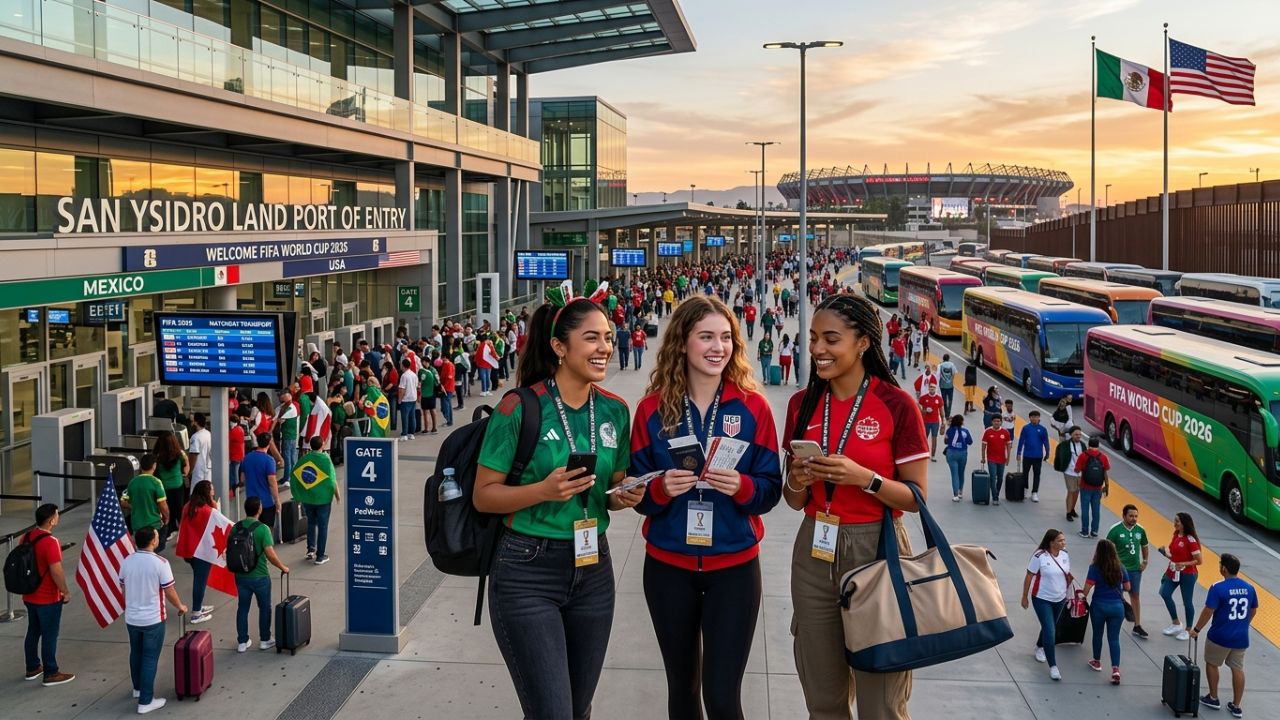
Image generated by AI
Aviation Updates: Travel Chaos Hits World Cup as Iran Faces Strict Cross-Border Entry Protocols Ahead of Belgium Match
As global fans battle unprecedented airport disruptions, the Iranian national football team navigates a completely unprecedented logistical nightmare, forced to commute into the United States from a Mexican base camp.
While the daily international airline news cycle is heavily dominated by agonizing stories of severe flight cancellations and rolling, systemic airport disruptions, a radically different form of travel chaos is actively unfolding behind the scenes of the FIFA World Cup 2026. The United States government has officially confirmed that the highly restrictive, special travel arrangements governing Iran’s participation in the massive tournament will remain strictly unchanged ahead of the team’s highly anticipated upcoming match against Belgium. Federal authorities have definitively decided not to modify the incredibly complex operational framework currently regulating exactly how the Iranian delegation enters and exits the United States during the competition.
Under this unprecedented existing system, Iran’s national football team is strictly prohibited from establishing a permanent residence inside the United States. Instead, the entire delegation is forced to operate from a heavily secured base camp in Tijuana, Mexico. Players, highly specialized coaching staff, and essential team officials are legally permitted to travel across the heavily fortified border into the United States only within a highly limited, twenty-four-hour period before scheduled matches, and are expected to depart immediately after the competition concludes. This massive logistical hurdle highlights the intense administrative friction operating just beneath the surface of the tournament's massive global travel boom.
Aviation Updates: The Complexity of Cross-Border Athletics
The FIFA World Cup 2026, jointly hosted by the United States, Mexico, and Canada, brings together national teams from incredibly diverse geopolitical regions, creating unprecedented administrative, logistical, and security considerations.
U.S. officials have repeatedly and firmly stated that participation in the tournament must be aggressively managed within existing, highly rigid governmental frameworks governing border entry and travel. While the average tourist furiously refreshes their phone for the latest aviation updates regarding standard transit delays, federal agencies responsible for absolute border management, transportation security, immigration administration, and public safety are coordinating massive, militarized movements to securely transfer the Iranian delegation across international lines. Government representatives heavily emphasize that these highly restrictive operational decisions are strictly guided by intense risk assessments and uncompromising administrative requirements.
Section-Wise Breakdown: Navigating the Tijuana Hub
This cross-border setup has instantly become one of the absolute most closely watched, highly debated logistical aspects of the entire global tournament, drawing massive international attention.
Tijuana Remains the Tactical Headquarters
Throughout the entirety of the tournament, Iran has been forced to maintain its primary, highly secure operational base in Tijuana. This major Mexican city, located directly on the U.S.-Mexico border, allows the massive delegation to remain physically close to vital competition venues while strictly complying with the uncompromising travel requirements established by rigid U.S. authorities. Tijuana’s highly strategic location successfully offers incredibly efficient access to heavy transportation networks serving multiple host cities, completely bypassing standard civilian aviation bottlenecks.
The 24-Hour Match-Day Protocol
According to the incredibly strict existing protocol, Iran’s massive delegation is legally authorized to enter the United States only approximately twenty-four hours before their scheduled matches. Following the final whistle, the team is strictly barred from remaining inside the country to recover between fixtures; they must immediately reverse the commute and return directly to their fortified Mexican base. Authorities have firmly indicated that this highly exhausting process will remain in full effect for the critical upcoming Belgium match.
Security Planning Dominates the Agenda
Security planning has absolutely been a major, overwhelming focus of World Cup preparations for several years. Federal, state, and highly localized agencies have invested incredibly substantial financial resources into developing massive operational plans designed to heavily support one of the absolute largest sporting events ever held in North American history. The procedures heavily affecting Iran are being managed entirely within this broader, highly militarized security environment, prioritizing public safety above logistical convenience.
Flight Details and Cross-Border Operations Matrix
The arrangement involving Iran’s national team highlights the incredible, mind-boggling complexity of organizing a massive global tournament spread across three massive sovereign countries.
Confirmed Cross-Border Operations Matrix
| Operational / Logistical Metric | Verified Travel Protocol |
|---|---|
| Affected Delegation | Iran National Football Team |
| Operational Headquarters | Tijuana, Mexico (Border Base Camp) |
| Strict US Entry Window | Approximately 24 hours prior to scheduled fixtures |
| Upcoming Regulated Fixture | Belgium Match |
| Coordinating Federal Agencies | Border management, transportation & immigration security |
| Exit Protocol | Immediate departure to Mexico post-competition |
Data definitively reflects the highly restrictive, officially confirmed travel protocols mandated by the United States government. The team's complete reliance on ground-based border transfers heavily insulates them from the standard commercial flight cancellations currently plaguing fans.
Passenger Impact: The Exhaustion of the Commute
For the Iranian players and coaching staff, travel schedules play an incredibly important, highly disruptive role in modern international football. Elite teams typically devote massive attention to highly optimized training routines, critical recovery periods, and seamless transportation planning.
Iran’s forced cross-border operating model brutally disrupts this optimization, requiring incredibly careful, hyper-vigilant coordination to ensure that match preparation remains efficient despite the massive, highly exhausting additional travel requirements. While fans suffer through massive travel chaos attempting to navigate congested airports, the Iranian athletes face the physical and mental fatigue of constant, highly monitored border crossings. Despite this debate, officials have completely reiterated that the current, rigid system definitively enables full participation while ensuring absolute compliance with existing federal procedures.
Industry Analysis: Balancing Diplomacy and Security
Aviation security analysts and international diplomats clearly note that the FIFA World Cup creates unprecedented, incredibly massive levels of cross-border movement involving elite teams, massive supporter contingents, and global media organizations. Managing these massive, volatile movements requires incredibly close, highly tense cooperation among multiple sovereign governments.
Supporters of this highly restrictive policy aggressively argue that the uncompromising arrangements perfectly demonstrate the absolute ability of governments to balance international sporting participation with strict national administrative and security frameworks. However, other prominent international observers have strongly suggested that enforcing such rigid protocols creates unnecessary, highly dangerous logistical hurdles that could severely impact the athletes' physical performance on the global stage.
Conclusion: An Unprecedented Logistical Challenge
As FIFA World Cup 2026 rapidly progresses, the highly controversial, restrictive travel arrangements deeply involving Iran’s national team are absolutely guaranteed to remain a massive, highly debated topic. For now, federal authorities have definitively confirmed that the uncompromising existing system will remain firmly in place ahead of the massive Belgium fixture, legally requiring the team to continue operating from its Tijuana base camp.
While the global public desperately attempts to navigate systemic airport disruptions, this geopolitical situation serves as a stark, highly visible reminder of the incredibly complex, often frustrating coordination required to host a massive global sporting event involving dozens of sovereign national teams, fiercely competing governments, and millions of traveling spectators. Attention will remain fiercely focused on both the ultimate sporting outcome against Belgium and the ongoing, highly controversial management of these cross-border travel operations.
Key Takeaways
- Strict Travel Protocols: The US Government has officially refused to modify the highly restrictive travel protocols governing the Iranian national football team.
- Tijuana Base Camp: Iran is strictly prohibited from residing in the US and must operate entirely from a base camp in Tijuana, Mexico.
- The 24-Hour Window: The Iranian delegation is legally permitted to enter the United States only 24 hours prior to their matches.
- Immediate Departure: Following the final whistle, the team must immediately exit the United States and return directly to Mexico.
- Belgium Match Status: These highly restrictive cross-border procedures will remain strictly in place for the highly anticipated upcoming fixture against Belgium.
- Logistical Fatigue: The constant, highly monitored border crossings force the team to navigate an entirely different, exhausting form of travel chaos compared to the standard global public.
Related Travel Guides
Canadians Flee Travel Chaos with a Massive 24% Flight Booking Surge to Cancun
Grenada and Nigeria Forge Historic Alliance to Bypass Global Travel Chaos
Disclaimer
This article is for informational and educational purposes only. It does not constitute legal, financial, or professional advice. While we strive to provide accurate and up-to-date information, travel policies, regulations, and conditions change rapidly. Always verify information with official sources before making travel decisions. Nomad Lawyer makes no representations about the accuracy, reliability, completeness, or suitability of the information provided. Readers should consult qualified professionals for advice specific to their circumstances. The views expressed in this article are those of the author and do not necessarily reflect the views of Nomad Lawyer.
Preeti Gunjan
Contributor & Community Manager
A passionate traveller and community builder. Preeti helps grow the Nomad Lawyer community, fostering engagement and bringing the reader experience to life.
Learn more about our team →