
Europe’s Luxury Christmas Travel Surge As Paris And More Cities Hotels Attract Premium Travellers
Europe’s Luxury Christmas Travel Surge As Paris And More Cities Hotels Attract Premium Travellers

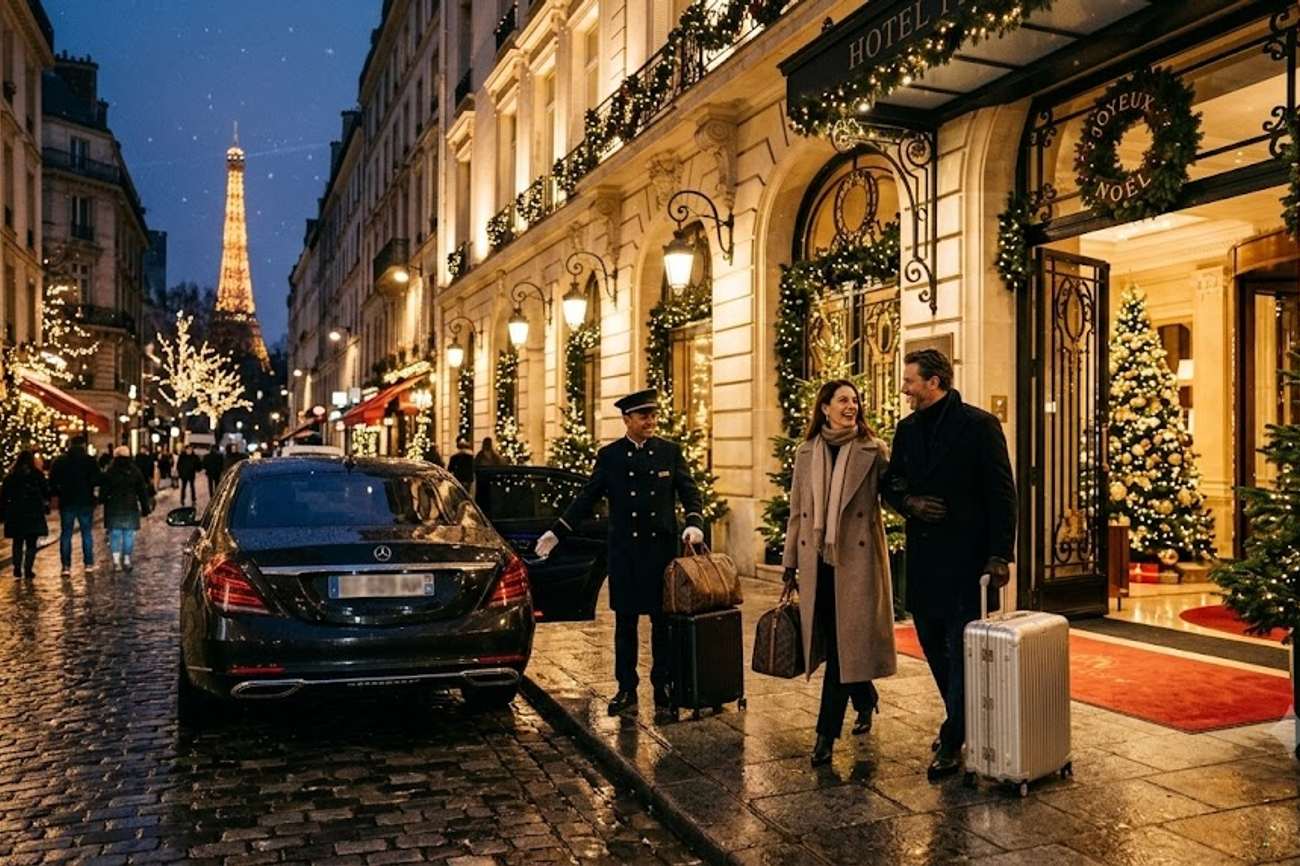
Image generated by AI
Average Daily Rates (ADR) for luxury properties in key European capitals typically see a 25% to 40% spike during the December corridor compared to November baselines, yet the 2026 projections indicate a shift from simple room-night growth to high-margin "experience bundling." This transition marks a departure from the traditional seasonal peak, evolving into a structured "festive economy" where luxury hospitality groups are no longer selling beds, but curated cultural access.
The Festive Economy in Numbers: High-Value Winter Shifts
The current movement in the European luxury sector is characterized by a strategic pivot toward "hyper-localization." Data from the 2026 holiday programming reveals that properties like the Four Seasons Hotel George V Paris and Anantara’s portfolio (Palazzo Naiadi Rome, Palais Hansen Vienna, and Convento di Amalfi Grand Hotel) are integrating Michelin-starred gastronomy and heritage tours directly into their booking structures.
This is not merely a marketing exercise; it is a response to a measurable shift in premium traveler behavior. According to the World Travel & Tourism Council (WTTC), the demand for "experiential luxury"—where the value is derived from exclusivity and local immersion rather than just hardware—has grown consistently year-over-year. In Paris, this manifests as a synergy between luxury retail and hospitality, where the Four Seasons leverages the city's status as a global shopping hub to drive high-net-worth occupancy during the Christmas window.
In Rome, the data points toward a diversification of the "religious tourism" segment. The Anantara Palazzo Naiadi Rome is targeting a demographic that blends spiritual pilgrimage with high-end leisure, evidenced by the introduction of seven-course Christmas Eve menus at INEO. By bundling these high-ticket dining events with rooftop city views, hotels are increasing the "Average Spend per Guest" (ASPG) beyond the standard room rate.
Comparative Market Analysis: Regional Winter Strategies
The approach to winter tourism varies significantly by geography, reflecting a broader effort to combat seasonality. While Northern and Central European cities like Vienna rely on established "Christmas Market" legacies, Mediterranean destinations are attempting to rewrite their seasonal narratives.
The Amalfi Coast represents the most aggressive shift in market positioning. Historically a summer-dominant region, the Anantara Convento di Amalfi Grand Hotel—housed in a 13th-century convent—is utilizing wellness and artisan markets to create a "winter sanctuary" model. This is a direct attempt to flatten the seasonality curve, moving away from a binary summer/winter occupancy model toward a year-round revenue stream.
| Metric/Region | Paris (Gastronomy/Retail) | Rome (Heritage/Faith) | Vienna (Tradition/Arts) | Amalfi Coast (Wellness/Seclusion) |
|---|---|---|---|---|
| Primary Value Driver | Michelin Dining & Luxury Shopping | Religious Sites & Ancient History | Classical Music & Xmas Markets | Coastal Heritage & Quietude |
| Seasonal Strategy | Peak Reinforcement | Demand Diversification | Legacy Maintenance | Seasonality Expansion |
| Key Asset | Four Seasons Hotel George V | Anantara Palazzo Naiadi | Anantara Palais Hansen | Anantara Convento di Amalfi |
| Economic Impact | High Retail Spillover | High Cultural Spending | High Tourism Volume | High Off-Peak Occupancy |
This regional divergence is mirrored in global data provided by STR, which tracks hotel performance. The shift toward "Winter Tourism" in the Mediterranean is a calculated move to reduce the volatility of annual RevPAR (Revenue Per Available Room) by creating a secondary peak in December.
What This Means for Travelers
For the individual traveler, the "bundling" of luxury experiences means that the window for securing prime inventory has shifted. Because these hotels are now offering "complete festive journeys" rather than just rooms, availability is tied to specific event capacities (e.g., the seven-course dinner in Rome or the exclusive market access in Vienna).
Actionable Booking Advice:
- The 90-Day Rule: If you are targeting Paris or Vienna for Q4 2026, booking 12-14 weeks in advance is now the baseline. The integration of Michelin-starred dining and cultural tours means that "room-only" availability may remain, but the "experience packages" sell out first.
- Amalfi Off-Peak Advantage: For those seeking luxury without the summer crowds, the Amalfi Coast in December now offers a viable high-end alternative. However, ensure your itinerary is centered around "Wellness and Heritage" rather than "Beach and Boat," as the service offerings have pivoted to indoor, culturally-driven experiences.
- Budgeting for "Experience Creep": Travelers should expect a higher total trip cost than in previous years. The shift toward "high-value travel seasons" means that incidental spending on curated hotel events is becoming a core part of the luxury stay.
Forward Projection: The Death of the "Off-Season"
Based on the current trajectory of the Anantara and Four Seasons strategies, we are witnessing the gradual erasure of the traditional "off-season" in Europe's luxury tier. The data suggests that by 2027, the "Winter Escape" will be marketed as a primary product rather than a discounted alternative to summer.
We expect to see a further integration of AI-driven personalization in these packages. As luxury hotels move toward "meaningful connections," the use of guest data to curate specific artisan market tours or private museum access will become the standard. Furthermore, the success of the Amalfi Coast's winter pivot will likely trigger similar movements in other Mediterranean hubs like Santorini or the French Riviera, as hotel groups seek to maximize the ROI of their physical assets 365 days a year.
The industry is moving toward a model of "Constant Peak," where the definition of a "prime destination" is no longer tied to the weather, but to the quality of the curated experience. This shift will likely be supported by IATA data showing more consistent year-round flight capacities to these luxury hubs, as airlines follow the lead of the hospitality sector in courting high-spend winter travelers.
FAQ: European Luxury Winter Travel 2026
Will luxury hotel prices increase further in December 2026? Yes. The shift toward "experience bundling" allows hotels to charge premiums for curated packages. Expect higher ADRs (Average Daily Rates) as properties move from selling rooms to selling comprehensive "festive journeys."
Is the Amalfi Coast a viable luxury destination in winter? Absolutely. The strategy at properties like Anantara Convento di Amalfi is specifically designed to attract winter visitors through wellness and heritage, offering a quieter, more exclusive alternative to the summer peak.
Which cities offer the most traditional Christmas experience? Vienna remains the benchmark for traditional European winter travel, focusing on classical music and historic markets, followed closely by Rome’s blend of religious heritage and festive dining.
When is the best time to book these luxury packages? To secure the specific cultural and dining experiences mentioned (like the seven-course menu in Rome), booking 3 months in advance is highly recommended to avoid missing out on limited-capacity events.
The era of the quiet European winter is over; luxury has successfully commodified the solstice.
Tags: EuropeanLuxuryHospitality2026, RevPARSeasonalityShift, AnantaraWinterStrategy, ParisFestiveEconomy, MediterraneanOffPeakGrowth, LuxuryExperientialTravel
Related Travel Guides
Disclaimer
This article is for informational and educational purposes only. It does not constitute legal, financial, or professional advice. While we strive to provide accurate and up-to-date information, travel policies, regulations, and conditions change rapidly. Always verify information with official sources before making travel decisions. Nomad Lawyer makes no representations about the accuracy, reliability, completeness, or suitability of the information provided. Readers should consult qualified professionals for advice specific to their circumstances. The views expressed in this article are those of the author and do not necessarily reflect the views of Nomad Lawyer.
Kunal K Choudhary
Co-Founder & Contributor
A passionate traveller and tech enthusiast. Kunal contributes to the vision and growth of Nomad Lawyer, bringing fresh perspectives and driving the community forward.
Learn more about our team →