
Luxury Hotel Barge Cruises Offer Slow Travel Solution in Europe
Smaller canal hotel barge cruises navigate European waterways in H2 2026, offering travel flexibility despite regional drought and low water levels.

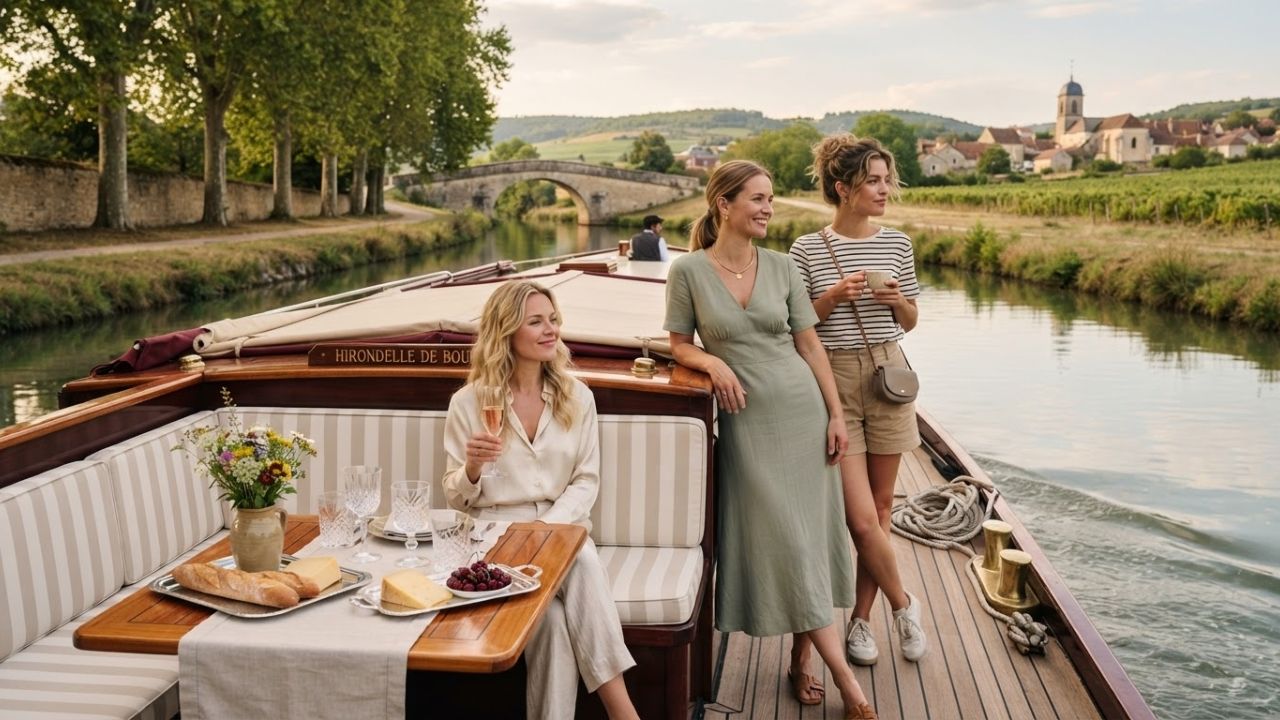
Image generated by AI
Luxury hotel barge cruises are offering a highly flexible slow travel solution for global holidaymakers, maintaining regional operations across France, England, Scotland, and Ireland despite severe summer droughts. Unlike large river cruise ships, smaller canal vessels carrying no more than 20 passengers can adapt to changing water levels by utilizing managed canal reservoirs and nearby routes.
The river cruise market in Western Europe is observing a significant realignment, with environmental conditions forcing operators to adjust their cruise itineraries. The European Commission’s Joint Research Centre reported on August 12 that drought has affected large parts of Europe since spring, with low water levels impacting major rivers. Despite these challenges, luxury hotel barge operators are maintaining their full summer cruise schedules. Because canals are managed via locks and reservoirs, these smaller vessels can adapt to dry conditions far more easily than large cruise ships. With itineraries operating across France, Britain, Ireland, Italy, and Belgium, the slow travel sector is providing a flexible alternative for global tourists seeking distinctive waterway holidays.
For the traveler, the real impact of smaller barge cruises is the stability of the holiday experience. If water levels decline on a specific canal, operators can reposition the vessel to nearby canals within approximately 50 kilometers, retaining the planned excursions and regional activities.
Managed Canal Networks and Climate Resilience
The operational advantage of hotel barges stems from the unique infrastructure of European canals and the compact size of the vessels:
- Managed Waterways: Unlike free-flowing rivers, canals utilize reservoirs and lock gates (managed by bodies like Voies Navigables de France) to maintain stable water levels.
- Vessel Capacity: Most hotel barges accommodate no more than 20 passengers, allowing them to cruise safely on smaller waterways that are inaccessible to large passenger liners.
- Reduced Route Demands: These cruises travel shorter distances daily, move slowly, and do not navigate at night, reducing water turbulence and pressure on banks.
- British Water Security: Although the UK government declared drought across seven areas of England on July 29—following record-low rainfall that dropped July rain to 7% of its long-term average—canal cruises remain active.
- River Flow Trends: Around 78% of England's monitored rivers were classified as below normal, with river flows declining at two-thirds of monitored sites, reinforcing the value of managed canals.
At-a-Glance Guide to Hotel Barge Destinations
| Destination | Key waterways | Typical experience | Useful data |
|---|---|---|---|
| Burgundy, France | Burgundy Canal, Nivernais, Yonne | Luxury, wine, gastronomy | Almost 1,200 km of waterways; 6–24 guests on many hotel barges |
| Canal du Midi, France | Canal du Midi | Heritage, villages, relaxation | UNESCO World Heritage waterway |
| Champagne, France | Marne and regional canals | Wine and cultural touring | Routes can link Paris with Epernay |
| Alsace, France | Regional canals | Food, wine and heritage | Available through specialist canal operators |
| Belgium | Halle–Ghent waterways | Historic towns and slow travel | Barge routes available through Belgium |
| Scotland | Caledonian, Crinan, Forth & Clyde | Hiking and scenic cruising | Great Glen Way: 75 miles |
| Ireland | Shannon-Erne, Grand Canal, Barrow | Nature and heritage | Around 4,000 inland lakes; Shannon-Erne: 63 km |
Understanding these regional details helps travelers choose the right destination based on their interests.
Major Canal Cruise Regions and Itineraries
Europe's historical canals provide access to diverse cultural settings, regional cuisines, and historic architecture:
- Burgundy Canal Network: Offering almost 1,200 kilometers of waterways, Burgundy is a premier region for hotel barge travel. Vessels typically accommodate six to 24 guests for cruises lasting two to seven days.
- Canal du Midi: A UNESCO World Heritage Site in southern France, the canal features vessels equipped with deck dining and Jacuzzis, operating between April and October.
- Marne and Belgium Canals: Operators like CroisiEurope link Paris with the Champagne region along the Marne, alongside routes in Belgium connecting Halle and Ghent.
- Scotland's Active Trails: Boating holidays on the Caledonian and Crinan Canals can be combined with the Great Glen Way hike-and-barge program, which covers 75 miles from Fort William to Inverness with daily walks of five to 11 miles.
- Ireland's Inland Waterways: Tourism Ireland highlights around 4,000 inland lakes, featuring the 63-kilometre Shannon-Erne Waterway and the 65-kilometre Barrow Navigation between Athy and St Mullins.
- Grand Canal in Venice: Extending approximately 3.8 kilometres through Venice's historic center, the canal supports regional water transit past historical landmarks.
These regional itineraries allow travelers to combine outdoor movement, gourmet dining, and heritage exploration in one trip.
Ecotourism and Community Support Along Canals
Sustaining the delicate ecosystems of Europe's historic canals requires travelers to adopt low-impact travel habits and support regional economies. For the traveler, the real impact of barge travel is the focus on community-based tourism. By purchasing regional wines, fresh cheeses, and organic produce directly from village farmers and family-run vineyards along the towpaths, visitors directly support local agricultural families.
To practice sustainable travel, visitors can use the complimentary bicycles on board to explore canal-side villages, reducing their transit carbon footprint. Choosing operators that utilize solar panels, energy-efficient generators, or hybrid propulsion systems helps minimize emission levels along quiet rural waterways. Furthermore, conserving fresh water on board reduces pressure on local canal reservoirs during dry summer seasons, while avoiding single-use plastics prevents water contamination of sensitive riparian habitats.
Destination Specialist Local Insider Tips
To help you explore Europe's canals safely and comfortably, regional specialists suggest the following tips:
- Confirm Your Embarkation Points: Check for repositioning updates from your operator before departure, as low water levels may shift boarding to nearby waterways within 50 kilometers.
- Savor Cassoulet and Boeuf Bourguignon: Experience local gastronomy. Try rich Cassoulet (white bean, pork, and duck confit stew) along the Canal du Midi or Boeuf Bourguignon in Burgundy.
- Cycle Along the Canal Towpaths: Utilize the complimentary bicycles on board to explore the quiet canal towpaths and adjacent historic villages at your own pace.
- Pack Insect Repellent: Canals and inland waters can attract mosquitoes during the warm summer months; keep repellent handy for evening deck dining.
- Plan for the Shoulder Months: Schedule your cruise for May-June or September-October to enjoy comfortable weather (15°C to 22°C) and avoid the peak dry heat.
Long-Term Outlook for Sustainable Waterway Holidays
The long-term outlook for Europe's canal tourism remains highly positive, supported by the integration of water-control infrastructure, digital navigation tools, and eco-friendly vessel designs. By prioritizing slow travel and small-group experiences, the barge cruising sector is establishing a resilient alternative to high-volume river cruises.
As summer temperatures become more variable, the coordination between national canal management boards, environmental protection agencies, and independent cruise operators will remain essential. This balanced approach protects the regional environment, supports local village businesses, and ensures that Europe's historic waterways remain clean, safe, and navigable for future generations of global travelers.
Related Travel Guides
Disclaimer
This article is for informational and educational purposes only. It does not constitute legal, financial, or professional advice. While we strive to provide accurate and up-to-date information, travel policies, regulations, and conditions change rapidly. Always verify information with official sources before making travel decisions. Nomad Lawyer makes no representations about the accuracy, reliability, completeness, or suitability of the information provided. Readers should consult qualified professionals for advice specific to their circumstances. The views expressed in this article are those of the author and do not necessarily reflect the views of Nomad Lawyer.
Preeti Gunjan
Contributor & Community Manager
A passionate traveller and community builder. Preeti helps grow the Nomad Lawyer community, fostering engagement and bringing the reader experience to life.
Learn more about our team →