
Europe Travel Hidden Gems Three Scenic Detours Offering Peaceful Alpine Escapes Beyond Crowded Tourist Hotspots
Europe Travel Hidden Gems Three Scenic Detours Offering Peaceful Alpine Escapes Beyond Crowded Tourist Hotspots

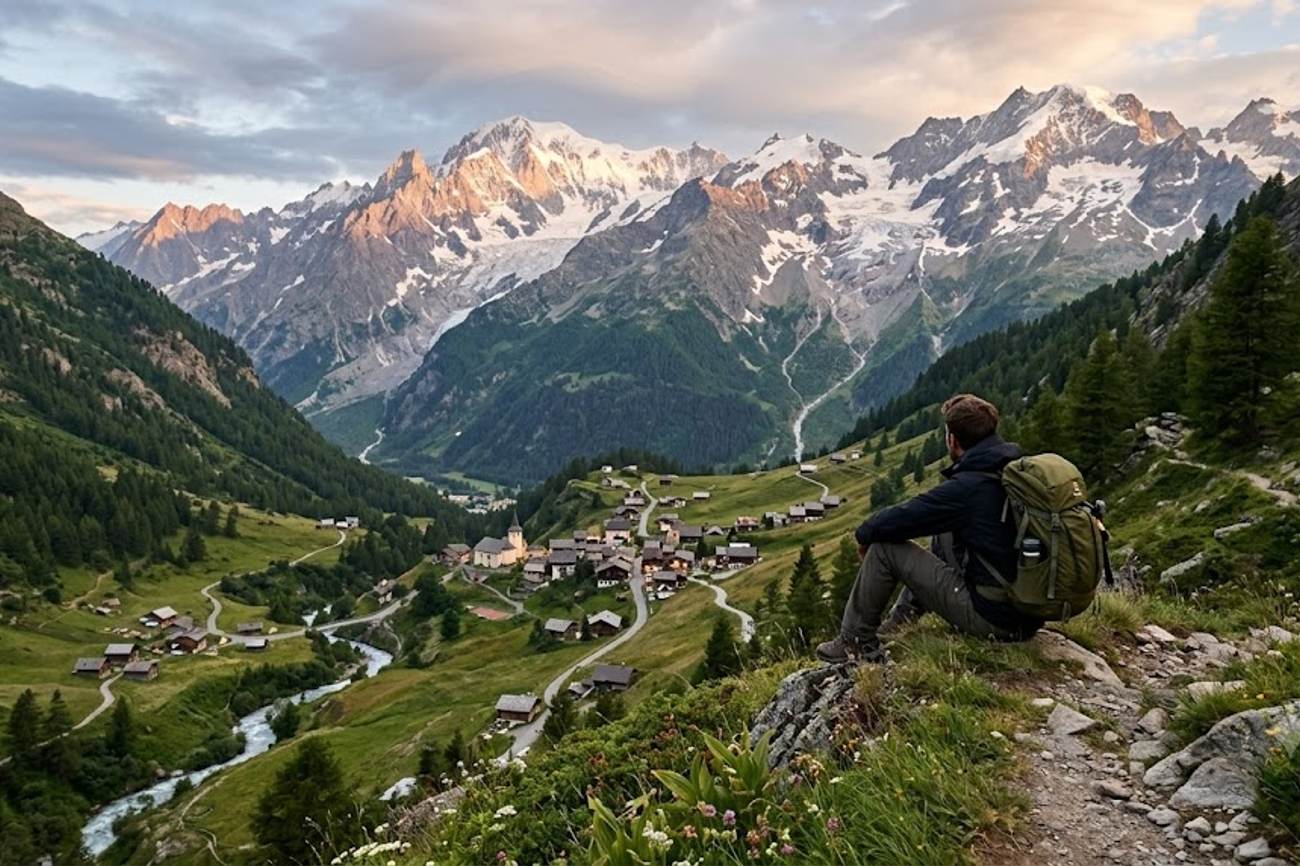
Image generated by AI
title: Alpine Detour Advisory: Navigating Alternative Destinations in Italy, Germany, and Austria date: 2024-05-22 category: Travel Advisory tags: [Lake Molveno, Berchtesgaden, Gosausee, Alpine Travel, Salzkammergut, Trentino]
A traveler arriving at Venice Marco Polo airport with a booking for the crowded Dolomites finds their itinerary suddenly shifted toward the quiet shores of Lake Molveno to avoid the seasonal tourist surge. This shift reflects a growing trend where passengers are abandoning traditional hotspots for "hidden gem" alpine detours to secure a more authentic experience.
The Shift Toward Alpine Alternatives: Strategic Detours
Current travel patterns indicate a significant migration of tourists away from saturated European hubs toward lesser-known alpine regions. While major cities and famous lakes continue to draw millions, a new preference for "meaningful journeys" is driving traffic toward specific, quieter zones in Italy, Germany, and Austria. These destinations are not merely replacements but strategic detours located within short distances of primary tourist magnets.
In Italy, the focus has shifted from the primary Dolomites peaks to Lake Molveno in the Trentino region. This area acts as a buffer between Lake Garda and the higher peaks, offering a relaxed atmosphere without the logistical congestion of the main mountain hubs. The local infrastructure supports a slower pace of travel, centering on the lake's circular perimeter and the Pradel Plateau.
In the border region between Austria and Germany, the draw of Salzburg is being complemented by excursions to Berchtesgaden. This Bavarian town serves as a high-value alternative for those who find Salzburg's city center overwhelmed. The primary attraction here is Königssee, an emerald-green lake that operates with a more controlled visitor flow than the urban centers of Austria.
Similarly, the extreme popularity of Hallstatt has pushed savvy travelers toward Gosausee in the Salzkammergut region. By moving just 30 minutes away from Hallstatt, visitors access the Dachstein glacier mountains and turquoise waters without the restrictive crowds typical of the more famous lakeside village.
Affected Regions and Strategic Locations
The following table outlines the primary "hotspot" destinations and their corresponding "hidden gem" alternatives for travelers seeking to avoid overcrowding.
| Primary Hotspot | Alternative Destination | Region | Key Attraction | Distance/Access |
|---|---|---|---|---|
| The Dolomites | Lake Molveno | Trentino, Italy | Molveno-Pradel Cableway | Between Lake Garda & Dolomites |
| Salzburg | Berchtesgaden | Bavaria, Germany | Königssee & St. Bartholomä | 30-minute drive from Salzburg |
| Hallstatt | Gosausee | Salzkammergut, Austria | Vorderer & Hinterer Gosausee | 30-minute drive from Hallstatt |
Your Rights as a Passenger: Regional Transport Law
When modifying itineraries to include these detours, passengers often face flight changes, rail delays, or rental car disputes. Understanding the legal framework of the European Union and national regulators is essential for securing compensation.
EU Regulation 261/2004 For any passenger flying into Italy, Germany, or Austria on an EU-based carrier, or departing from an EU airport, EU261 provides strict protections. If your flight to a gateway city (like Venice, Munich, or Vienna) is cancelled or delayed by more than three hours, you may be entitled to compensation ranging from €250 to €600, depending on the flight distance.
For those traveling to Lake Molveno via Italy, be aware that "extraordinary circumstances" (such as weather-induced closures in the Alps) may exempt airlines from paying compensation, though they must still provide "duty of care" (meals and hotel accommodation). You can verify your specific flight status and rights through the European Commission's passenger rights portal.
UK CAA Guidelines For UK residents traveling to these alpine regions, the UK Civil Aviation Authority (CAA) provides mirrored protections to EU261 for flights departing from the UK. This ensures that if a flight to Munich or Vienna is disrupted, the compensation framework remains consistent regardless of whether the airline is UK or EU-based.
US DOT Refund Rules American travelers visiting Berchtesgaden or Gosausee should note that the US Department of Transportation (DOT) now mandates prompt automatic refunds for significantly changed flights. If your airline moves your arrival city to a different airport to accommodate a disruption, you are entitled to a full refund to the original form of payment if you choose not to travel.
Rebooking Strategy and Alternatives
If you are currently facing disruptions while attempting to reach these alpine detours, avoid the immediate panic of the airport ticket counter. Use a tiered rebooking strategy to ensure you reach your destination.
1. The Multi-City Pivot If your flight to a primary hub is cancelled, check for arrivals at secondary airports. For Berchtesgaden, if Munich (MUC) is blocked, consider flying into Salzburg (SZG) or even Vienna (VIE) and utilizing the ÖBB rail network. For Lake Molveno, if Venice (VCE) is congested, Verona (VRN) is a viable alternative that puts you closer to the Trentino region.
2. Rail-over-Air Integration The alpine regions of Austria and Germany are better served by rail than by short-haul flights. If air travel is disrupted, pivot to the Eurail or national rail systems. The connection between Salzburg and Berchtesgaden is highly efficient by road and rail, making it a low-risk alternative to regional flights.
3. Tracking and Real-Time Monitoring To avoid being stranded at a terminal, use FlightRadar24 or FlightAware to track your incoming aircraft. If the plane has not yet departed its origin, you can often rebook via the airline's app before the official cancellation is announced, placing you at the front of the queue for the next available flight.
4. Refund vs. Rebooking Trade-off Under current DOT and EU rules, you have the choice between a full refund or re-routing. If you are heading to a "hidden gem" like Gosausee, re-routing to a nearby city and renting a car is often faster than waiting for a direct flight to a smaller regional airport. However, if the disruption occurs during peak alpine season (July-August), secure your hotel vouchers first, as these quieter destinations have limited capacity.
FAQ: Alpine Detours 2024
Am I entitled to compensation if my flight to the Alps is cancelled? Yes, if the flight departs from an EU/UK airport or is operated by an EU/UK carrier. Depending on the distance and notice period, you could receive up to €600 under EU261/2004, provided the cancellation wasn't due to "extraordinary circumstances."
Can I get a full refund if my itinerary is significantly changed? Under US DOT rules and EU261, if your flight is cancelled or significantly delayed, you are entitled to a full refund if you choose not to take the alternative flight offered.
What are the best alternative routes to reach Berchtesgaden? The most efficient route is flying into Munich (MUC) or Salzburg (SZG) and taking a 30-minute drive or regional train. If these are unavailable, Vienna (VIE) serves as a reliable secondary hub with strong rail links.
How do I claim compensation for a disrupted flight to Italy or Austria? You can file a claim directly with the airline's customer service portal or use a specialized platform like AirHelp to handle the legal process on your behalf.
Stop chasing the crowds and start charting the quiet corners of the Alps.
Related Travel Guides
- Gothenburg and Leipzig Remain Top Tourism Sources for Brno Despite Major Visitor Declines During the First Eight Months of 2026
- South Korea Expands China Air Routes as Low-Cost Carriers Prepare New Connections Across Asia
- Kazakhstan And Turkey Unlock New Travel Horizons As SunExpress Launches Powerful Astana Izmir Flight Connection
Disclaimer
This article is for informational and educational purposes only. It does not constitute legal, financial, or professional advice. While we strive to provide accurate and up-to-date information, travel policies, regulations, and conditions change rapidly. Always verify information with official sources before making travel decisions. Nomad Lawyer makes no representations about the accuracy, reliability, completeness, or suitability of the information provided. Readers should consult qualified professionals for advice specific to their circumstances. The views expressed in this article are those of the author and do not necessarily reflect the views of Nomad Lawyer.
Naina Thakur
Contributor & Travel Specialist
Travel enthusiast and legal writer covering visa regulations, responsible tourism, and cultural journeys across global destinations.
Learn more about our team →