
China Forces Trip.com Group into Sweeping Rectification After RMB5.18 Billion Antitrust Ruling Exposes Exclusive Hotel Agreements and Pricing Controls
China Forces Trip.com Group into Sweeping Rectification After RMB5.18 Billion Antitrust Ruling Exposes Exclusive Hotel Agreements and Pricing Controls

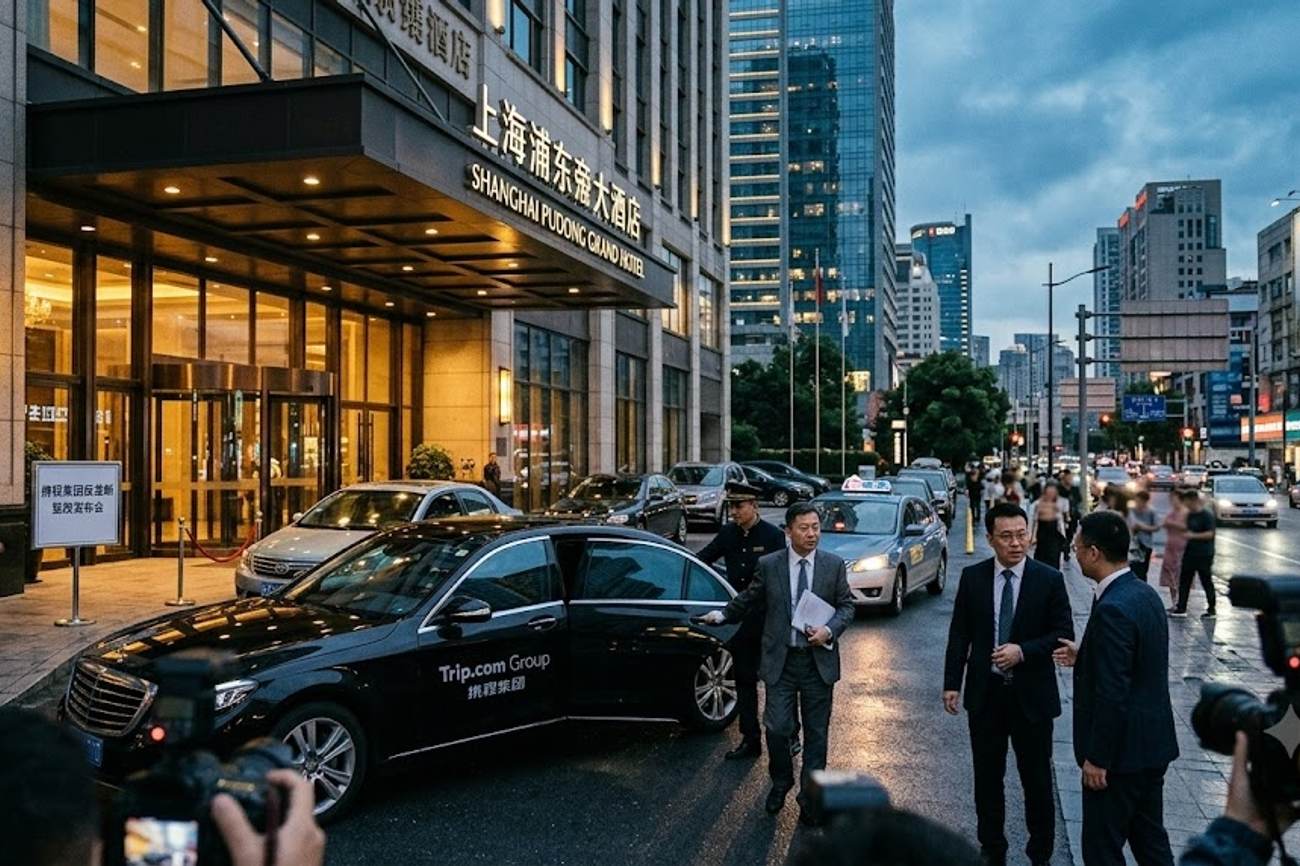
Image generated by AI
The financial penalty of RMB 5.18 billion (approximately US$765 million) levied against Trip.com Group represents one of the most aggressive regulatory interventions in the history of China's digital travel sector. This figure stands in stark contrast to the typical administrative fines seen in the region, signaling a shift from passive oversight to active market correction regarding how online travel agencies (OTAs) manage inventory and pricing.
The Regulatory Crackdown in Numbers
The State Administration for Market Regulation (SAMR) has dismantled a pricing and distribution framework that Trip.com Group utilized since 2020. The financial impact is segmented into three distinct categories: a fine of roughly RMB 3.52 billion, the confiscation of approximately RMB 1.66 billion in illegal gains, and a mandate to return roughly RMB 122 million to hotel operators.
This enforcement action targets three specific systemic abuses:
- Exclusivity Mandates: The "choose one of two" practice, where hotels were pressured to limit their cooperation with rival platforms to maintain a relationship with Trip.com.
- Traffic Manipulation: The use of preferential traffic allocation, where high-visibility search rankings and recommendation feed placements were weaponized to reward compliant hotels and penalize those using competing OTAs.
- Price Parity Requirements: The enforcement of "lowest-price" clauses, preventing accommodation providers from offering cheaper rates on their own websites or through smaller competitors.
According to data from the World Travel & Tourism Council (WTTC), the digital transformation of travel in Asia has led to extreme platform concentration. When a single entity controls the primary gateway to a destination's inventory, the "network effect" creates a barrier to entry that regulators are now actively dismantling.
Comparative Context: Market Dominance vs. Fair Competition
The Trip.com case is not an isolated event but part of a broader global trend where regulators are challenging the "most-favored-nation" (MFN) clauses common in the OTA industry. Historically, platforms argued that price parity protected consumers; however, the SAMR findings suggest these clauses actually stifle competition by preventing rival platforms from lowering commissions to offer better consumer deals.
When compared to previous regulatory cycles, the 2026 intervention is significantly more punitive. The focus has shifted from simple consumer protection to the structural health of the supply chain—specifically the relationship between the platform and the hotel operator.
| Metric | Previous Regulatory Environment (Pre-2020) | Current Regulatory Environment (2026) | Shift Impact |
|---|---|---|---|
| Pricing Control | Implicit price parity accepted | Explicit "lowest-price" bans | Higher price volatility/More deals |
| Inventory Access | Exclusive "walled gardens" common | Mandated multi-platform access | Increased inventory transparency |
| Traffic Logic | Opaque, platform-driven rankings | Regulated, non-discriminatory visibility | Lower barrier for boutique hotels |
| Penalty Scale | Procedural/Administrative fines | Multi-billion RMB structural penalties | High deterrent for market abuse |
This shift mirrors movements seen in European markets, where the International Air Transport Association (IATA) and various hotel guilds have long lobbied against the restrictive nature of dominant booking engines. The Chinese market, which has seen rapid consolidation, is now being forced toward a more fragmented, competitive distribution model.
Practical Traveler Advisory and Strategic Insights
For the individual traveler, the dismantling of Trip.com's exclusivity and price-parity rules is a net positive, though it will require a change in booking behavior.
1. The End of "One-Stop" Price Certainty Previously, travelers could rely on Trip.com to have the lowest rate due to mandated parity. Now that hotels are free to offer different prices across different channels, the "lowest price" is no longer guaranteed on a single platform.
2. The Rise of Direct Booking Incentives Because hotels are no longer prohibited from offering lower rates on their own websites, we expect a surge in "Book Direct" discounts. If you are planning a trip to China in the coming quarters, checking the hotel's official website before confirming on an OTA is now a financial necessity.
The State Administration for Market Regulation's ruling against Trip.com Group targets restrictive "exclusive" agreements that limited hotel pricing flexibility and consumer choice. Travelers seeking transparent pricing and diverse accommodation options are encouraged to consult the Ministry of Culture and Tourism of the People's Republic of China for official guidelines on tourism standards and consumer rights.
3. Increased Inventory Diversity As hotels are freed from "choose one of two" constraints, smaller or more niche accommodation providers will likely appear on multiple platforms. This increases the probability of finding unique properties that were previously hidden due to exclusivity agreements.
Actionable Advice:
- Compare across 3+ platforms: Use a combination of global aggregators and local platforms to find the true floor price.
- Check Official Sites: Look for "Direct Booking" perks (free breakfast, room upgrades) that were previously suppressed by OTA contracts.
- Monitor Q3/Q4 2026 Rates: As Trip.com implements its "comprehensive rectification," expect temporary price fluctuations as hotels recalibrate their distribution strategies.
Forward Projection: The Decentralization of Distribution
Based on the current trajectory, the Chinese travel market is heading toward a period of "distribution decentralization." The SAMR's decision to confiscate RMB 1.66 billion in illegal gains sends a clear signal to other digital giants: market share cannot be maintained through the restriction of supply.
We project that over the next 24 months, we will see a rise in "hybrid distribution" models. Hotels will likely move away from total reliance on a single dominant OTA, instead diversifying their presence across several mid-sized platforms to mitigate risk. This will likely lead to a decrease in the average commission rates charged by OTAs, as they are forced to compete for hotel loyalty through better service and lower fees rather than restrictive contracts.
Furthermore, the requirement for Trip.com to return RMB 122 million to operators suggests a broader push toward financial transparency in the B2B side of travel. This could lead to the adoption of more transparent, real-time payment settlements between platforms and providers, reducing the "float" that large OTAs have historically enjoyed.
FAQ: Trip.com Regulatory Action 2026
Will hotel prices increase because of this fine? Unlikely. The fine is a corporate penalty paid by Trip.com to the state, not a cost passed to the consumer. In fact, the ban on price-parity clauses should lead to more competitive pricing and more frequent discounts from hotels.
Is it still safe to book through Trip.com? Yes. The company has accepted the decision and is implementing rectification measures. Their operational capacity remains intact; only their backend commercial agreements with hotels are changing.
Which platforms should I use now to find the best deals? Diversify your search. Because hotels can now offer different rates on different sites, comparing Trip.com against other regional OTAs and the hotel's own direct website is the only way to ensure the lowest price.
Why does this matter for international travelers visiting China? International travelers often rely on a single app for convenience. With the end of exclusivity, you will find more hotel options and potentially better rates by using multiple booking tools rather than relying on one dominant ecosystem.
The era of the "walled garden" in Chinese travel is closing, opening a window for genuine price competition and supplier autonomy.
Related Travel Guides
- Cinnamon Maldives Resorts Break Into Tripadvisor’s Global Top Ten Percent as Guest Reviews Propel Three Island Escapes Into the Spotlight
- GBTA Forecast Unveils Tough Road Ahead for Business Travellers as Global Travel Expenses Surge in 2026 Before Moderate Recovery in 2027 – You Need to Know
- Global Business Travel Surges to US$1.71 Trillion as GBTA Unveils Record-Breaking 2026 Forecast
Disclaimer
This article is for informational and educational purposes only. It does not constitute legal, financial, or professional advice. While we strive to provide accurate and up-to-date information, travel policies, regulations, and conditions change rapidly. Always verify information with official sources before making travel decisions. Nomad Lawyer makes no representations about the accuracy, reliability, completeness, or suitability of the information provided. Readers should consult qualified professionals for advice specific to their circumstances. The views expressed in this article are those of the author and do not necessarily reflect the views of Nomad Lawyer.
Kunal K Choudhary
Co-Founder & Contributor
A passionate traveller and tech enthusiast. Kunal contributes to the vision and growth of Nomad Lawyer, bringing fresh perspectives and driving the community forward.
Learn more about our team →