
Europe Travel Enters Luxury River Era as Celebrity Compass Reaches Major Water Milestone
Europe Travel Enters Luxury River Era as Celebrity Compass Reaches Major Water Milestone

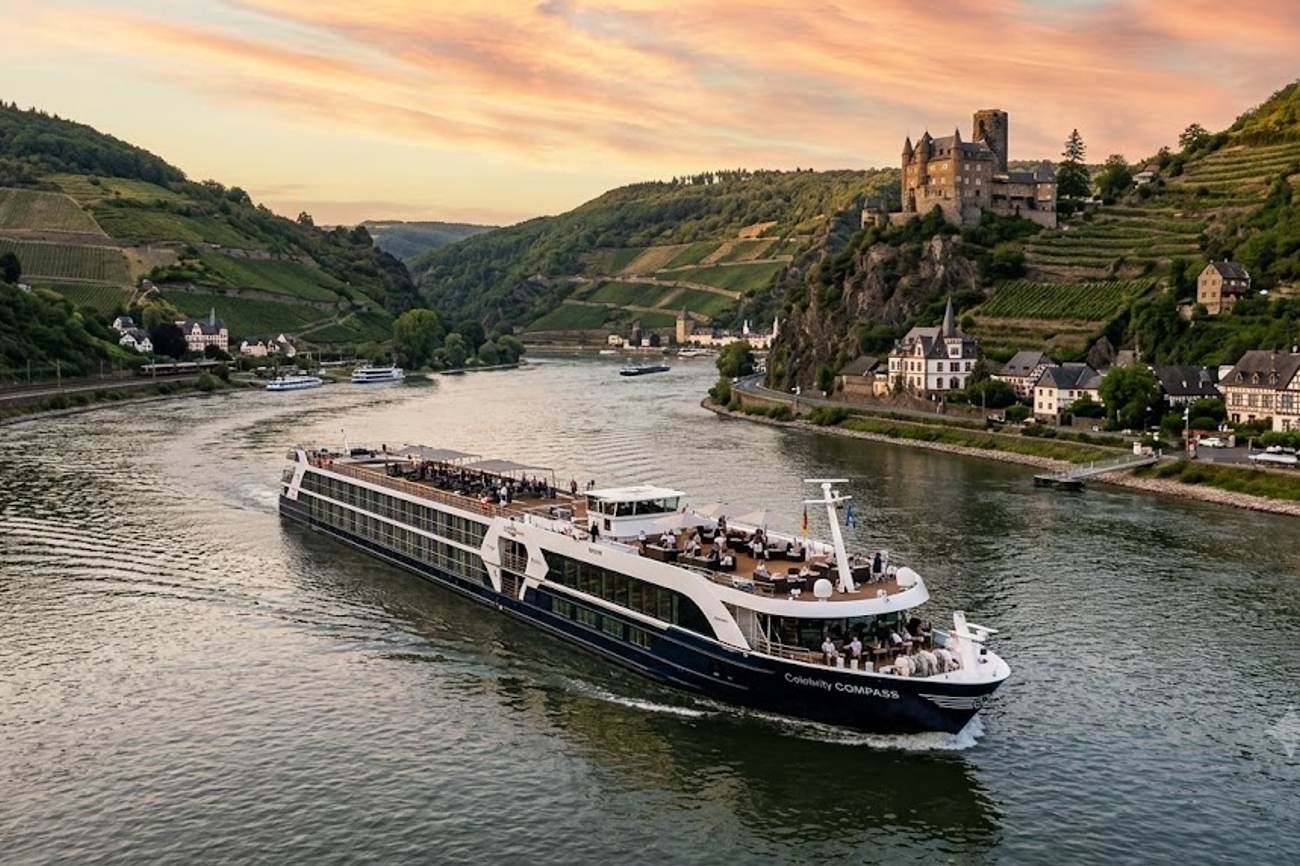
Image generated by AI
The river cruise industry is about to witness a seismic shift in 2027 when Celebrity Cruises debuts its first inland vessels, starting with the Celebrity Compass, which recently completed its first 80-kilometre river movement. While most luxury travelers associate the brand with massive ocean liners, this move signals a strategic pivot toward "slow travel," where the vessel serves as a floating boutique hotel rather than a destination in itself.
The Shift Toward Intimate European Waterways
For years, the European river cruise market has been dominated by a few established players, but the arrival of Celebrity River Cruises marks a transition toward a more modern, hospitality-driven approach to inland travel. The recent float-out of the Celebrity Compass at the Zwijnenburg shipyard in Rotterdam was more than just a construction milestone; it was the physical manifestation of a trend where high-net-worth travelers are abandoning the "mega-ship" experience in favor of curated, destination-centric journeys.
By 2027, the fleet will expand to include the Celebrity Seeker, both designed to navigate the tight bends and shallow depths of Europe's most storied arteries. This isn't just about adding ships to the water; it is about redefining the rhythm of European exploration. Instead of the high-energy entertainment found on ocean voyages, these vessels are being built to facilitate a deeper connection with the shore. The goal is to move the focus from the onboard casino or theater to the cobblestone streets of a medieval village or the tasting room of a Rhine Valley vineyard.
What Makes the Rhine and Danube Different
To understand why these specific routes are the cornerstone of the new Celebrity program, one must understand the distinct personalities of these two waterways. The Rhine is essentially a corridor of romanticism. It is defined by steep slopes draped in vineyards and the highest concentration of castles in the world. Navigating the Rhine allows travelers to see the transition from the industrial heart of Germany to the fairytale architecture of the Alsace region.
The Danube, conversely, is the great connector of Central Europe. It is a journey through the remnants of the Austro-Hungarian Empire, linking the imperial grandeur of Vienna with the gritty, golden beauty of Budapest. While the Rhine feels like a journey through a storybook, the Danube feels like a lesson in geopolitics and art history.
The primary advantage of these river routes over ocean ports is proximity. Most ocean liners dock in industrial ports miles away from the actual city center, requiring long shuttle rides. River ships, however, often dock within walking distance of the main square. This allows for a seamless transition from the breakfast table to a local bakery or a UNESCO World Heritage site without the friction of modern transit. For more information on the protected sites along these routes, the UNESCO World Heritage Centre provides extensive archives on the architectural significance of the Danube and Rhine valleys.
Visitor Insider Tips
Having spent significant time navigating these regions, I can tell you that the secret to a successful river journey is avoiding the "group-think" of the shore excursions. While curated tours are convenient, the real magic happens when you step away from the crowd.
Timing Your Visit While summer is the peak, the "shoulder seasons" of May and September are the gold standard. In May, the riverbanks are exploding with spring blooms, and the crowds are thinner. September offers the harvest season in the Rhine and Moselle valleys—this is the only time to truly experience the local wine culture as the vineyards are in full activity.
Local Etiquette and Rhythms When docking in smaller German or Austrian villages, remember that the "Mittagspause" (midday break) is still respected. Many small boutiques and family-run cafes close between 1:00 PM and 3:00 PM. Plan your exploration for the early morning or late afternoon to avoid finding closed shutters.
Gastronomy Beyond the Ship While the onboard dining will be premium, seek out "Gasthof" (traditional inns) in the smaller towns. On the Rhine, look for Riesling-paired regional dishes; on the Danube, prioritize the local fish specialties and the famous coffee house culture of Vienna.
Transport Hacks If you have a free afternoon in a port, skip the taxis. Most European river towns are designed for pedestrians. Renting a bicycle for a few hours is the most authentic way to see the outskirts of a town or the surrounding vineyards, providing a perspective that a tour bus simply cannot offer. For those planning their wider European logistics, the Official Tourism Board of Germany offers excellent resources on regional rail connections for those extending their stay.
Cultural and Environmental Context
The influx of luxury river cruising brings a complex set of dynamics to the communities along the Rhine and Danube. On the positive side, river cruising decentralizes tourism. Unlike land-based tourism, which often bottlenecks in major hubs like Berlin or Munich, river ships distribute economic benefits to smaller, often overlooked villages. This "trickle-down" effect supports local artisans, family-owned museums, and regional farmers who might otherwise struggle to attract international visitors.
However, this growth is not without tension. The "overtourism" phenomenon seen in Venice has begun to cast a shadow over some of the smaller ports. There is a delicate balance between welcoming high-spending visitors and preserving the quiet, authentic atmosphere that makes these villages attractive in the first place. Furthermore, the environmental impact of river traffic—ranging from bank erosion to water quality—is a constant point of discussion among local conservationists.
The industry is responding by moving toward more sustainable ship designs. The construction of the Celebrity Compass and Seeker reflects a broader trend toward reducing the carbon footprint of inland navigation. By focusing on "slow travel," these cruises encourage guests to spend more time in one place, reducing the frantic pace of traditional tourism and fostering a more respectful interaction between the visitor and the host community.
FAQ: Visiting Europe's Rivers 2027
What is the best time to visit the Rhine or Danube? The ideal windows are May to June and September to October. These periods offer mild weather and avoid the extreme summer heat and peak crowds, while still providing full access to all regional attractions and festivals.
Do I need a visa for these river cruises? Most travelers will need a Schengen Visa to visit Germany, Austria, and Hungary, depending on their nationality. Always check current EU entry requirements at least six months before your 2027 departure.
How do I get to the embarkation ports? Most river cruises begin in major hubs like Amsterdam, Budapest, or Vienna. These cities are easily accessible via major international airports. I recommend arriving two days early to acclimate to the time zone.
Is river cruising safe for solo travelers? Yes, it is exceptionally safe. The smaller ship size fosters a community atmosphere, and the curated nature of the excursions means you are rarely navigating unfamiliar cities alone.
The river is not just a route from one city to another; it is the living history of Europe, best viewed from the deck of a ship that knows how to slow down.
#CelebrityRiverCruises #RhineRiverTravel #DanubeCruising2027 #EuropeanLuxuryTravel #RotterdamShipbuilding
Related Travel Guides
- Mexico City Links Tultitlán, Tultepec, Nextlalpan and Zumpango as AIFA Train Transforms Airport Travel: All You Need to Know
- Türkiye Rail Boom Accelerates as Istanbul Turns Into a Global Connectivity Hub in 2026
- Manchester Launches Free Bee Network Tram Travel for Students Through TfGM and Aviva Partnership in 2026
Disclaimer
This article is for informational and educational purposes only. It does not constitute legal, financial, or professional advice. While we strive to provide accurate and up-to-date information, travel policies, regulations, and conditions change rapidly. Always verify information with official sources before making travel decisions. Nomad Lawyer makes no representations about the accuracy, reliability, completeness, or suitability of the information provided. Readers should consult qualified professionals for advice specific to their circumstances. The views expressed in this article are those of the author and do not necessarily reflect the views of Nomad Lawyer.
Kunal K Choudhary
Co-Founder & Contributor
A passionate traveller and tech enthusiast. Kunal contributes to the vision and growth of Nomad Lawyer, bringing fresh perspectives and driving the community forward.
Learn more about our team →