
Europe’s Premier Destinations Reshape Tourism: Barcelona, Venice, and Canary Islands Impose New Caps, Fees, and Housing Rules
European destinations enter a new regulatory era as Barcelona phases out 10,000 holiday rentals, Venice tests day-trip entry fees, and the Canary Islands and Lisbon enforce strict caps and conservation charges.

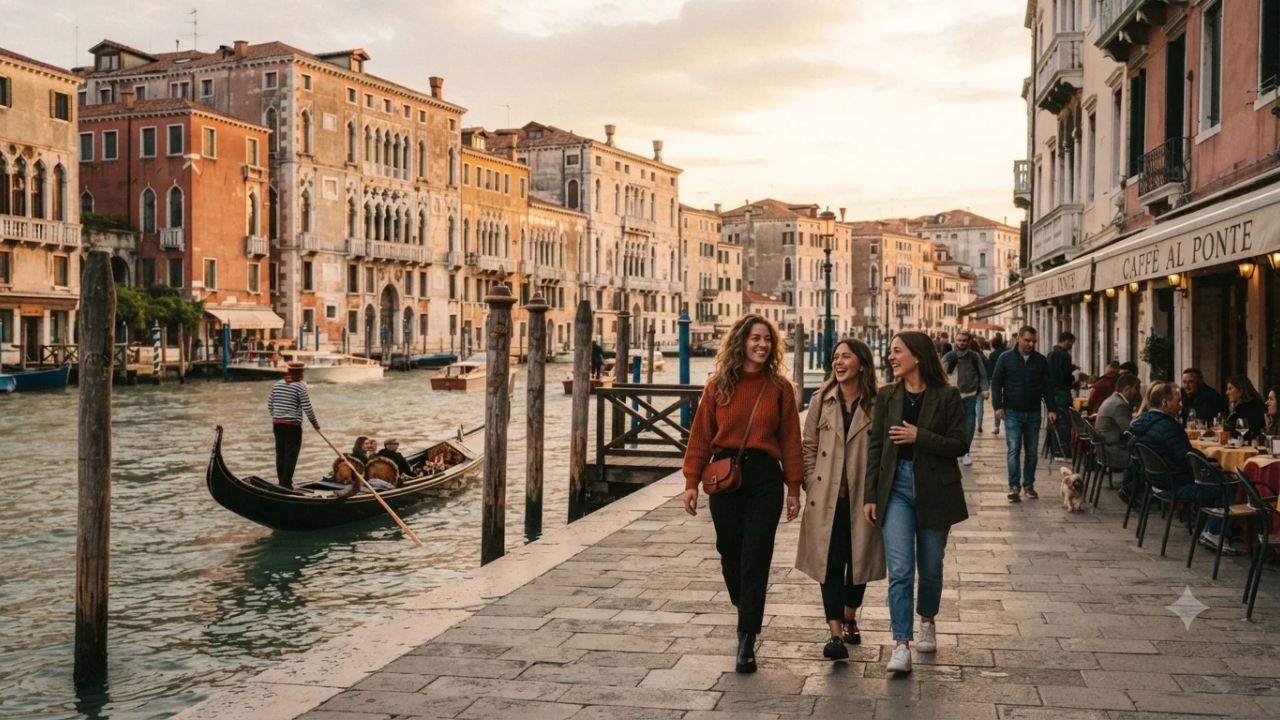
Europe's most celebrated holiday retreats are fundamentally restructuring their relationship with global travellers, as municipal and regional governments across Spain, Italy, France, and Portugal deploy landmark accommodation bans, entry contributions, and ecological trail tariffs to protect residential communities and fragile cultural heritage.
From the Gothic alleys of Barcelona and the lagoon bridges of Venice to the volcanic peaks of Tenerife and the bohemian stairways of Montmartre, popular destinations are grappling with the social and environmental costs of concentrated visitor arrivals. Skyrocketing long-term rents, crowded public squares, and resource strains have catalyzed a decisive policy shift away from unconstrained volume growth toward managed, high-yield, and community-compatible tourism models.
For international travellers planning European journeys in 2026 and 2027, understanding these evolving regulatory frameworks—ranging from strict short-term rental bans to mandatory national park reservations—is essential for an effortless, responsible holiday.
         EUROPEAN COMMUNITY-FIRST TOURISM POLICY MAP (2026)
         ==================================================

  [ SPAIN: HOUSING & TRAIL PROTECTIONS ]
  • Barcelona: Phasing out 10,000+ tourist flats by Nov 2028
  • Canary Islands: Teide National Park trail fees up to €25
  • Balearics (Mallorca, Ibiza, Menorca): Unlicensed rental crackdowns
                               │
            ┌──────────────────┴──────────────────┐
            ▼                                     ▼
 [ ITALY: ACCESS MANAGEMENT ]          [ PORTUGAL: URBAN HOUSING ]
 • Venice: €5–€10 Day-Visitor Fee      • Lisbon: Strict municipal quotas on
 • 60 Peak Days in Spring/Summer       • Alojamento Local short-term lets
 • Mandatory QR Code Reservations      • Neighborhood limits in Alfama & Belém
            │                                     │
            └──────────────────┬──────────────────┘
                               │
                               ▼
        [ FRANCE: COASTAL AND NEIGHBOURHOOD PRESERVATION ]
        • French Riviera (Nice & Cannes): Cruise passenger caps
        • Paris (Montmartre): November 2025 Council decree protecting
        • Sacré-Cœur perimeter and local residential commerce
Eight European Hotspots Enacting Landmark Tourism Regulations
Across Southern and Western Europe, municipal administrations are addressing destination carrying capacities through targeted local decrees. Rather than imposing nationwide border restrictions, authorities are focusing on residential housing recovery, environmental conservation funds, and congestion pricing.
| Country | Destination | Primary Visitor Draw | Key Regulatory Action & Policy Development |
|---|---|---|---|
| Spain | Barcelona | Sagrada Família, Park Güell, Mediterranean beaches | Phasing out 10,100 tourist flat licenses by November 2028 |
| Italy | Venice | St. Mark’s Square, Grand Canal, historic lagoon | €5 to €10 day-tripper access fee on 60 peak spring/summer days |
| Spain | Mallorca | Tramuntana mountains, Palma Gothic cathedral, coves | Stricter short-term rental enforcement and carrying-capacity caps |
| Spain | Canary Islands | Teide volcano, subtropical beaches, laurel forests | Conservation entry fees (up to €25) on Teide National Park trails |
| Portugal | Lisbon | Historic yellow trams, Alfama alleys, Belém towers | December 2025 municipal quotas on Alojamento Local apartments |
| France | Nice & Cannes | Promenade des Anglais, Croisette, Riviera elegance | Mandatory caps on cruise vessel dockings and passenger disembarkation |
| France | Montmartre (Paris) | Sacré-Cœur Basilica, Place du Tertre artists | November 2025 City Council resolution to protect residential fabric |
| Spain | Ibiza & Menorca | Pristine calas, Mediterranean nightlife, biosphere | Strict enforcement against illegal villas and water use limits |
Barcelona: Eliminating 10,000 Tourist Apartment Licences by 2028
Barcelona has taken the most radical urban planning step of any European metropolis by announcing the complete phase-out of its short-term holiday rental market. Under a comprehensive municipal decree, the city administration confirmed it will not renew the operating permits of approximately 10,100 licensed tourist apartments when they expire in November 2028.
The decision addresses a severe housing affordability shortage in the Catalan capital, where residential rents have escalated by more than 68 percent over the past decade, pricing local workers, teachers, and young families out of central districts like Eixample, Ciutat Vella, and Gràcia.
Key dimensions of the Barcelona initiative include:
- Returning Housing to Residents: By returning more than 10,000 residential apartments to the long-term rental market, municipal planners aim to stabilize rental prices and rebuild community life in historic quarters.
- Preserving Regulated Hotels: The measure does not ban tourism or hotel accommodation. Traditional hotels, licensed boutique inns, and officially registered hostels continue to welcome international travellers under strict sustainability certifications.
- Intensified Illegal Rental Inspections: The city has deployed specialized municipal inspection squads to detect and heavily fine unlicensed listings on peer-to-peer home-sharing platforms.
Venice: Pioneering the Municipal Day-Tripper Access Contribution
Venice continues to lead global experimentation in urban congestion management through its Contributo di Accesso (Access Contribution). In 2026, the city expanded its trial access fee system across 60 designated peak travel dates between April and July, targeting day-trippers who visit for a few hours without patronizing local accommodations.
Under the 2026 framework:
- Tiered Pricing: Arriving day-trippers who registered and paid online well in advance paid a standard fee of €5, while last-minute bookings or on-the-day arrivals at Venice Santa Lucia station were charged €10.
- Exemptions for Overnight Guests: Visitors staying overnight in hotels, guest houses, or registered bed-and-breakfasts within the municipality were exempt from the access fee, as they already contribute through the local tourist lodging tax (Tassa di Soggiorno).
- Temporal Nuance for Autumn Travellers: The 2026 charging cycle concluded on 26 July. Consequently, travellers visiting Venice during autumn and winter months do not face access fees, although registration protocols are scheduled to resume for the spring 2027 peak season.
The program is designed to discourage sudden, unsustainable day-tripper spikes during major holiday weekends, encouraging travellers to stay overnight and engage more deeply with artisan workshops, neighbourhood bacari wine bars, and lagoon islands like Murano and Burano.
Mallorca and the Balearic Islands: Rebalancing Island Carrying Capacities
In Mallorca, Spain's largest Mediterranean island, public demonstrations in Palma and coastal resort areas have underscored growing community concerns over seasonal overtourism. In peak summer months, the island's population of roughly 950,000 swells dramatically as millions of international holidaymakers arrive simultaneously.
The public debate in the Balearic Islands focuses on sustainable resource management rather than anti-tourist sentiment:
- Water and Waste Resources: Intensive summer demand strains local desalination plants, fresh water tables, and municipal sanitation infrastructure in dry limestone valleys.
- Transport Gridlock: Narrow mountain roads through the Serra de Tramuntana (a UNESCO World Heritage cultural landscape) and popular coves (calas) experience severe congestion from rental cars.
- Enforcing Licensed Stays: Regional authorities in Mallorca, Ibiza, and Menorca have intensified inspections against illegal holiday villas operating without tourism registry numbers (ETV), issuing substantial fines to property owners operating in residential multi-family buildings.
Canary Islands: Eco-Taxes and Conservation Quotas on Mount Teide
Spain’s Canary Islands archipelago—home to Tenerife, Gran Canaria, Lanzarote, Fuerteventura, and La Palma—welcomes over 14 million visitors annually due to its year-round subtropical climate. However, high visitor density on volcanic ecosystems has prompted environmental authorities to establish protective financial barriers.
In 2026, the Government of the Canary Islands enacted conservation tariffs for high-traffic trails within Teide National Park on Tenerife:
- Non-Resident Conservation Charge: Non-resident international visitors must pay an access fee of up to €25 to hike designated summit and crater trails surrounding Spain's highest peak, Mount Teide (3,718m).
- Automated Slot Reservation: Hikers must secure timed permits through an official online booking portal, which limits daily trail capacity to prevent pathway erosion, protect native volcanic flora, and ensure mountain safety.
- Local Resident Protections: Island residents retain free access to national park trails, establishing a clear policy principle that tourism must directly fund the ecological preservation of local natural spaces.
Lisbon: Tightening Municipal Short-Term Rental Quotas
In Portugal, the capital city of Lisbon has introduced decisive measures to curb residential displacement. Following years of rapid growth in peer-to-peer tourist rentals, the Lisbon City Council enacted an updated municipal framework for Alojamento Local (Local Accommodation) in December 2025.
The updated regulatory framework:
- Freezes New Licences in Sensitive Zones: Prohibits the issuance of new short-term holiday rental registrations in historic neighbourhoods where tourist units exceed 20 percent of total housing stock, specifically targeting Alfama, Mouraria, Bica, and Bairro Alto.
- Protects Long-Term Tenancies: Encourages property owners to transition apartments from short-term tourist lets back into long-term residential housing contracts through municipal tax incentives.
- Preserves Authentic Neighborhood Fabric: Aims to preserve everyday neighbourhood services—such as grocery shops, bakeries, and local craft ateliers—from being displaced by souvenir shops and transient vacation rentals.
French Riviera: Capping Cruise Mega-Ships in Nice and Cannes
Along the Mediterranean coast of France, the glamorous resorts of Nice and Cannes are enacting strict environmental controls on international cruise tourism. While cruise calls deliver retail and dining revenue, local residents and environmental groups have raised valid concerns regarding diesel exhaust emissions, harbor congestion, and overcrowding along waterfront promenades.
Municipal authorities have introduced coordinated marine restrictions:
- Passenger Disembarkation Quotas: Limiting the number of cruise passengers permitted to disembark simultaneously, ensuring that waterfront walkways like the Promenade des Anglais and Boulevard de la Croisette remain accessible to local residents.
- Ship Size Restrictions: Restricting access for mega-cruise vessels exceeding designated tonnage thresholds, prioritizing smaller, luxury expedition vessels with lower environmental footprints.
- Shore-to-Ship Power Infrastructure: Mandating that berthed vessels connect to electrical land grids (cold ironing) to shut down onboard diesel engines while docked, significantly improving coastal air quality.
Montmartre: Paris Defends Its Historic Bohemian Quarter
In the French capital, the iconic hillside district of Montmartre in the 18th arrondissement has become a focal point for destination management. As the site of the Sacré-Cœur Basilica—one of France's most visited religious monuments—the district's steep cobblestone staircases and narrow lanes accommodate millions of visitors each year.
In November 2025, the Paris City Council adopted a formal resolution aimed at curbing excessive tourism pressure in Montmartre:
- Regulating Commercial Monocultures: Halting the conversion of traditional neighbourhood bakeries, bookshops, and hardware stores into fast-food outlets and generic souvenir stalls around the Place du Tertre.
- Pedestrian Flow Management: Creating designated pedestrian circuits and managing tour bus drop-off points at the base of the hill to reduce diesel idling and street blockages.
- Preserving Artistic Heritage: Supporting local artists who paint and sketch in the historic quarter, ensuring the district retains its genuine cultural heritage rather than deteriorating into a staged tourist backdrop.
Practical Travel Strategies for Navigating Regulated European Hotspots
Travellers visiting Europe's top heritage destinations can easily adapt to these evolving policies through thoughtful planning:
- Book Registered Accommodations Early: As cities like Barcelona, Lisbon, and Palma cap holiday apartments, registered hotel rooms and licensed guesthouses fill up earlier. Book verified lodging with registered tourism licence numbers 4 to 6 months in advance.
- Secure Attraction and Trail Slots: Popular natural sites like Teide National Park, the Venice access portal, and monuments like the Sagrada Família require pre-booked timed entry tickets. Check municipal tourism websites well before departure.
- Travel During Shoulder Seasons: Consider visiting Mediterranean and Western European destinations during April–May or September–October. Ambient temperatures are milder, queues are shorter, and destination infrastructure experiences far less strain.
- Support Local Community Businesses: Dine at independent family-run trattorias, Castilian taverns, and neighbourhood bistros located outside primary tourist plazas. Purchasing local produce and artisanal goods directly supports the communities that maintain these historic environments.
Frequently Asked Questions
Are European destinations banning international tourists?
No. European cities are not banning international tourists. Governments are implementing targeted regulations on holiday apartment licences, day-tripper fees, and natural park trail caps to balance visitor numbers with local housing and community needs.
When will Barcelona eliminate tourist apartments?
Barcelona's municipal administration will not renew existing tourist apartment licences when they expire in November 2028, returning approximately 10,100 flats to the local residential rental market.
Do visitors have to pay an entry fee in Venice in late 2026?
No. Venice’s pilot access contribution program operated on 60 designated peak days between April and July 2026, concluding on 26 July. Access fees do not apply during autumn and winter 2026.
Why do hikers pay a fee at Teide National Park in the Canary Islands?
Non-resident hikers pay up to €25 for designated summit and crater trails to manage visitor volumes, reduce trail erosion on fragile volcanic landscapes, and fund environmental conservation.
Related Travel Guides
- Tajikistan Elevates Central Asia Tourism Ambitions: International Forum Spotlights Pamir Mountains, Mehrgon Festival, and Silk Road Heritage
- Salamanca Showcases Spain’s Golden Heritage: Complete Cultural Tourism and Historic Travel Guide
- UK Airports Accelerate Border Processing as Contactless Facial Recognition E-Gates Expand to 13 Major Gateways
Disclaimer
This article is for informational and educational purposes only. It does not constitute legal, financial, or professional advice. While we strive to provide accurate and up-to-date information, travel policies, regulations, and conditions change rapidly. Always verify information with official sources before making travel decisions. Nomad Lawyer makes no representations about the accuracy, reliability, completeness, or suitability of the information provided. Readers should consult qualified professionals for advice specific to their circumstances. The views expressed in this article are those of the author and do not necessarily reflect the views of Nomad Lawyer.
Raushan Kumar
Founder & Lead Developer
Full-stack developer with 11+ years of experience and a passionate traveller. Raushan built Nomad Lawyer from the ground up with a vision to create the best travel and law experience on the web.
Learn more about our team →