
U.S. Virgin Islands Makes History as Charlotte Amalie Named 2026 American World War II Heritage City, Unlocking Heritage Tourism
The National Park Service officially designates Charlotte Amalie as one of only 10 American World War II Heritage Cities in 2026, positioning St. Thomas as a premier Caribbean cultural and military heritage destination.

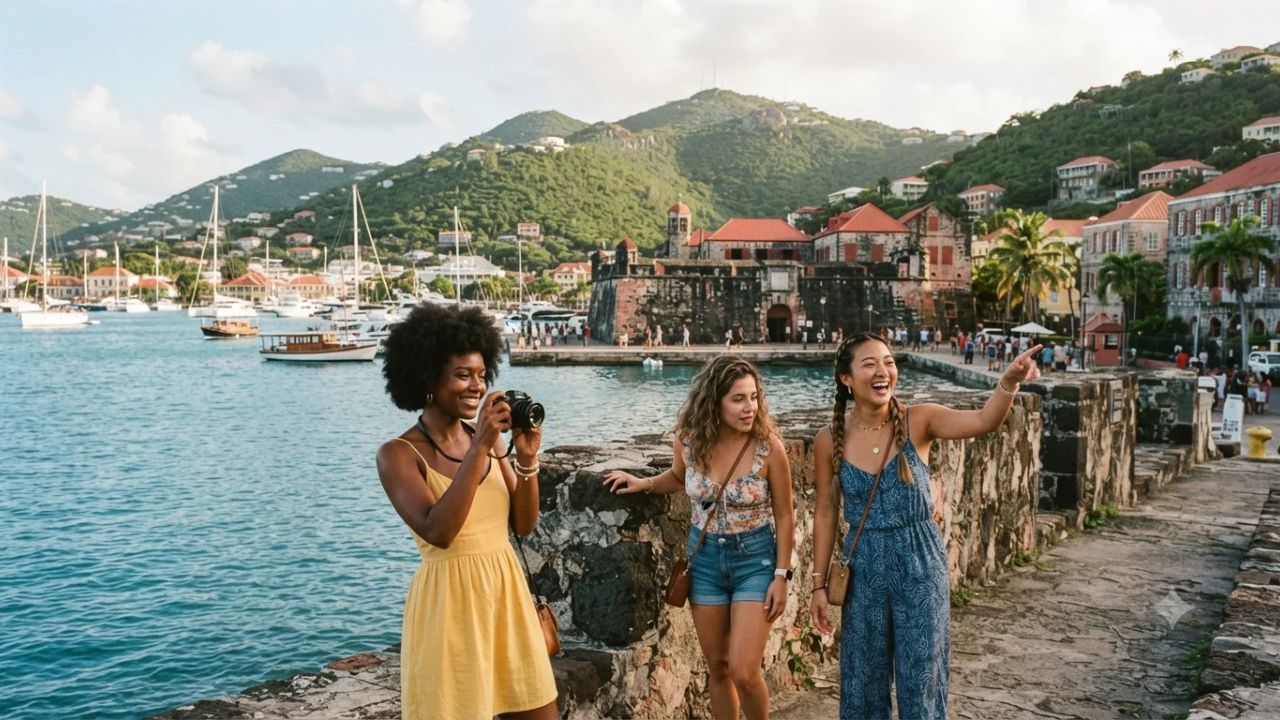
In a landmark recognition of Caribbean military history and historic preservation, the National Park Service (NPS) has officially designated Charlotte Amalie, the historic capital of the U.S. Virgin Islands on St. Thomas, as an American World War II Heritage City for 2026. Joining an elite cohort of only ten jurisdictions selected nationwide, this federal honor formally acknowledges the territory’s pivotal role as an Allied naval, aviation, and coastal defense bastion that protected strategic Atlantic approaches to the Panama Canal. The prestigious title is poised to transform the territory’s visitor economy, unlocking high-yield cultural tourism and driving travelers beyond sun-and-sand resorts into preserved fortifications, coastal battery complexes, and living historic districts.
The designation marks a significant achievement for the U.S. Virgin Islands Department of Tourism and local preservation societies. Established by Congress under the John D. Dingell, Jr. Conservation, Management, and Recreation Act of 2019, the American World War II Heritage City Program recognizes only one community per state or territory each year, honoring regions that made profound contributions to the home front and war effort while actively preserving the physical sites, structures, and artifacts of the era. By honoring Charlotte Amalie, federal authorities have cast a spotlight on an often-overlooked theater of American military history: the vital defense of the Caribbean Sea during the Battle of the Atlantic.
       CHARLOTTE AMALIE: WWII CARIBBEAN DEFENSE ARCHITECTURE
┌────────────────────────────────────────────────────────┐
│  ST. THOMAS DEEPWATER HARBOR (Naval Command Hub)       │
│  Allied Escort Staging │ Anti-Submarine Sonar Defense  │
└───────────────────────────┬────────────────────────────┘
                            │
┌───────────────────────────┴────────────────────────────┐
│  BOURNE FIELD / LINDBERGH BAY (Naval Air Station)      │
│  PBY Catalina Flying Boats │ Marine Patrol Squadrons   │
└───────────────────────────┬────────────────────────────┘
                            │
┌───────────────────────────┴────────────────────────────┐
│  FORT SEGARRA & WATER ISLAND (Outer Defense Perimeter) │
│  Subterranean Gun Bunkers │ Harbor Submarine Net Mooring│
└───────────────────────────┬────────────────────────────┘
                            │
┌───────────────────────────┴────────────────────────────┐
│  HASSEL ISLAND & FORT CHRISTIAN (Inner Citadel Defense)│
│  Coastal Signal Stations │ Ship Repair & Radar Outposts│
└────────────────────────────────────────────────────────┘
The Strategic Caribbean Shield: Protecting the Panama Canal
To appreciate why Charlotte Amalie earned this national designation, travelers and historians must examine the strategic landscape of the Caribbean in the early 1940s. Following the outbreak of hostilities, German Kriegsmarine submarines launched Operation Neuland, deploying U-boat wolfpacks directly into Caribbean waters to sever Allied maritime supply chains.
The Caribbean was not merely a picturesque transit zone; it was the industrial lifeblood of the Allied war effort:
- Energy Security: Massive oil refineries in Aruba and Curaçao processed crude petroleum from Lake Maracaibo in Venezuela, supplying over 60% of the high-octane aviation fuel and marine fuel oil used by the British Royal Air Force and Royal Navy during the Battle of Britain.
- Industrial Raw Materials: Bauxite shipments from Suriname and British Guiana transited through the Virgin Islands sea lanes toward aluminum smelting plants in North America, providing the metal required for American aircraft manufacturing.
- Canal Defense: St. Thomas guarded the northern entrance to the Anegada Passage and Virgin Passage—the primary maritime sea lanes leading directly toward the Panama Canal, which was critical for redeploying naval warships between the Atlantic and Pacific theaters.
Charlotte Amalie’s deep, naturally sheltered harbor—protected by outer barrier islands and high volcanic headlands—was transformed by the U.S. Navy into a fortified forward operating base. Deepwater berths hosted destroyer escorts, submarine chasers, and patrol vessels, while repair yards worked around the clock to service battle-damaged merchant vessels and naval escorts.
Preserved Wartime Landmarks Across St. Thomas and Its Environs
Unlike many wartime installations that were dismantled in the post-war boom, Charlotte Amalie and its surrounding islands retain a remarkably intact collection of World War II military architecture and historic defense structures.
              HISTORIC HARBOR CITADEL & FORT MAP
┌─────────────────────────────────────────────────────────┐
│                                                         │
│     [CHARLOTTE AMALIE HISTORIC DISTRICT]                │
│     • Fort Christian (1670s Bastion / Civil Defense)    │
│     • Danish Colonial Warehouses & Step Streets         │
│                                                         │
│     ~~~~~~~~~~~~~~~~~ INNER HARBOR ~~~~~~~~~~~~~~~~~~~   │
│                                                         │
│     [HASSEL ISLAND]                                     │
│     • Shipley's Battery & Prince Frederik's Battery     │
│     • Creque Marine Railway (Naval Repair Dock)         │
│                                                         │
│     ~~~~~~~~~~~~~~~ HARBOR ENTRANCE ~~~~~~~~~~~~~~~~~~  │
│                                                         │
│     [WATER ISLAND]                                      │
│     • Fort Segarra (Underground Bunkers & Gun Batteries)│
│     • Submarine Net Anchors & Observation Watchtowers   │
│                                                         │
└─────────────────────────────────────────────────────────┘
1. Fort Christian: The Red Citadel of Civil Defense
Anchoring the Charlotte Amalie waterfront, Fort Christian is a National Historic Landmark and the oldest surviving standing structure in the Virgin Islands, originally constructed by Denmark-Norway in the 1670s. During World War II, the imposing red-brick citadel served as the central nerve center for civilian defense, air raid monitoring, and maritime communications. The fort’s thick volcanic masonry provided secure shelter and radio outposts overlooking the entire harbor basin. Today, the fully restored structure operates as the Virgin Islands Museum, exhibiting wartime artifacts, historic naval communications gear, and colonial exhibits.
2. Fort Segarra on Water Island: The Subterranean Coastal Fortress
Situated just offshore in the harbor approach, Water Island was purchased by the United States government in 1944 to construct Fort Segarra—a top-secret, heavily fortified coastal defense base. Engineered to protect Charlotte Amalie against naval bombardment and submarine incursions, Fort Segarra features:
- Deep underground command bunkers, ammunition storage magazines, and hospital shelters excavated directly into volcanic rock.
- Heavy coastal artillery emplacements designed to fire 155mm guns out toward the open sea.
- Reinforced concrete observation towers and searchlight positions that swept the entrance channel at night.
- Submarine net mooring infrastructure that stretched steel anti-torpedo netting across the harbor entrance to intercept submerged U-boats. Visitors can explore the surviving bunkers, tunnels, and gun positions, which offer panoramic views across the Virgin Passage.
3. Hassel Island: Maritime Repair and Early Warning
Guarding the western mouth of Charlotte Amalie harbor, Hassel Island preserves critical maritime support facilities. The historic Creque Marine Railway, originally constructed in the 19th century, was utilized during the war to slip and overhaul naval patrol craft, minesweepers, and tugboats. Remnants of British colonial batteries, converted into modern signal stations and radar watchposts, line the ridgelines, managed today in partnership with the St. Thomas Historical Trust and the National Park Service.
4. Bourne Field and Lindbergh Bay (Naval Air Station St. Thomas)
On the western outskirts of Charlotte Amalie, Bourne Field served as the primary naval and Marine Corps aviation installation. Operating amphibious PBY Catalina flying boats, Kingfisher observation planes, and patrol bombers, the airfield conducted continuous anti-submarine sweeps across hundreds of miles of open Atlantic waters. Today, the site has evolved into Cyril E. King International Airport, with historical markers and surviving hangar foundations documenting its aviation heritage.
| Historic Site / Fortress | Island Location | Primary World War II Function | Key Preserved Features Today | Visitor Accessibility & Tour Options |
|---|---|---|---|---|
| Fort Christian | Downtown Charlotte Amalie | Civil defense command, communications & air-raid watch | 1670s red-brick citadel, museum galleries, colonial ramparts | Open to the public; guided historical walking tours |
| Fort Segarra | Water Island (Harbor Entrance) | Underground coastal defense, artillery batteries & net base | Excavated subterranean bunkers, gun pits, observation towers | Accessible via Water Island ferry; hiking trails |
| Hassel Island Historic District | Charlotte Amalie Harbor | Maritime repair, anti-submarine tracking, signal stations | Creque Marine Railway, military batteries, trails | Short water taxi transfer; guided kayak and walking tours |
| Bourne Field / Lindbergh Bay | Western St. Thomas | Naval Air Station, PBY Catalina patrol base | Historic runway footprint (Cyril E. King Airport), seaplane ramps | Active commercial airport; adjacent public beach park |
| Charlotte Amalie Historic District | St. Thomas Urban Core | Administrative headquarters, merchant shipping hub | Danish colonial brick warehouses, 99 Steps, historic architecture | Highly walkable; self-guided & guided architectural walks |
Transforming the Caribbean Tourism Model: Unlocking Heritage Travel
The 2026 American World War II Heritage City designation arrives at a strategic juncture for the U.S. Virgin Islands’ tourism sector. Historically, Caribbean tourism has been heavily dominated by seasonal mass-market cruise calls, duty-free jewelry retail, and beach resort stays. While St. Thomas welcomes over 1.5 million cruise passengers annually, the vast majority spend fewer than six hours ashore, rarely venturing beyond the immediate waterfront shopping districts or Magens Bay.
The federal designation provides a powerful platform to diversify the visitor economy:
       CARIBBEAN TOURISM PARADIGM SHIFT: BEYOND SUN & SAND
┌─────────────────────────────────────────────────────────────┐
│ Legacy Caribbean Vacation Paradigm:                         │
│   • Short-duration cruise day-tripping (4–6 hours ashore)   │
│   • Concentration in duty-free jewelry & electronics retail  │
│   • High environmental pressure on popular beach fronts     │
│   • Seasonal economic volatility (winter-heavy bookings)    │
├─────────────────────────────────────────────────────────────┤
│ Heritage City Value-Add Model (2026 Forward):               │
│   • Year-round cultural traveler demographic (higher spend) │
│   • Longer hotel stays & increased local dining expenditure │
│   • Dispersal of tourist foot traffic to Water & Hassel Is. │
│   • Access to federal preservation and educational grants   │
└─────────────────────────────────────────────────────────────┘
- Attracting High-Yield Cultural Travelers: Academic and cultural travelers spend up to 40% more per day than standard leisure tourists and demonstrate significantly higher affinity for independent dining, local transport, and heritage merchandise.
- Developing Experiential Excursions: Tour operators in Charlotte Amalie are introducing curated military history walking tours, historical boat charters through the harbor defensive channels, and guided exploration of Water Island’s subterranean bunkers.
- Federal Grant and Preservation Synergy: The World War II Heritage City designation enhances eligibility for federal preservation grants, infrastructure funding, and collaborative educational initiatives administered through the National Park Service and the American Battlefield Protection Program.
- Cross-Island Historical Linkages: The designation creates natural tourism synergies with neighboring islands, connecting St. Thomas’s World War II naval sites with Virgin Islands National Park on St. John and the historic Danish fortifications of Christiansted National Historic Site on St. Croix.
Civic Identity and Preserving the Living History of St. Thomas
Beyond its economic and promotional implications, the recognition represents a profound point of pride for the people of the Virgin Islands. During World War II, thousands of Virgin Islanders served honorably in the United States military across both the European and Pacific theaters, while local civilian workforces labored in shipyards, constructed defensive fortifications, and maintained round-the-clock air raid blackouts across the islands.
Local cultural organizations, including the St. Thomas Historical Trust, the University of the Virgin Islands, and community preservation groups, have launched initiatives to record oral histories from elders who lived through the wartime period. By preserving these stories alongside physical defensive structures, Charlotte Amalie ensures that future generations of residents and visitors understand how this small Caribbean archipelago stood as an indispensable guardian of freedom on the world stage.
Practical Recommendations for Visiting Charlotte Amalie’s Heritage Sites
Travelers seeking to explore Charlotte Amalie’s newly designated World War II heritage attractions should plan their itinerary around these practical tips:
- Begin at Fort Christian: Start in downtown Charlotte Amalie at the Virgin Islands Museum inside Fort Christian to gain foundational historical context before exploring field fortifications.
- Take the Water Island Ferry: Catch the brief 10-minute passenger ferry from Crown Bay Marina to Phillips Landing on Water Island. Rent a golf cart or hike the scenic road up to Fort Segarra to explore the bunkers, observation towers, and panoramic gun emplacements.
- Join a Hassel Island Guided Tour: Because Hassel Island is an offshore reserve without public roads, book an organized kayak or boat tour with the St. Thomas Historical Trust to explore the Creque Marine Railway and coastal batteries safely.
- Combine Architecture and Military History: Wander the historic step streets, including the famous 99 Steps (Store Taarn Gade), to see how 18th-century Danish merchant architecture coexisted with wartime military infrastructure.
Frequently Asked Questions
What does the American World War II Heritage City designation mean?
Awarded by the National Park Service under federal law, the designation recognizes one community per U.S. state or territory each year for its pivotal role in the World War II home front and defense effort, alongside its ongoing preservation of historic wartime sites.
Why was Charlotte Amalie strategic during World War II?
Charlotte Amalie possessed a deep, sheltered natural harbor that protected the Anegada and Virgin Passages—critical approaches to the Panama Canal. It served as a naval operating base and aviation patrol hub combating German U-boat attacks on Allied shipping.
Can visitors explore Fort Segarra on Water Island?
Yes. Fort Segarra is accessible via a short ferry ride from Crown Bay, St. Thomas, to Water Island. Visitors can hike or drive golf carts to the historic military site to view surviving underground bunkers, gun batteries, and observation towers.
How does this designation impact tourism in the U.S. Virgin Islands?
The designation diversifies USVI tourism beyond traditional cruise shopping and beaches, attracting high-yield cultural and historical travelers, unlocking federal preservation grants, and creating curated heritage tour excursions across St. Thomas.
Related Travel Guides
- Switzerland Leads US, UK, and EU in Escalating Middle East Travel Advisories as SWISS Halts Dubai Flights Over Aviation Security Risks
- How Oceania Balances Luxury Cruise Tourism with Fragile Marine Sanctuaries: Aitutaki, Whitsundays, and Bora Bora Lead Eco-Reforms
- VidantaWorld Elegant Concludes Inaugural European Cruise Season in France as Luxury Mediterranean Voyages Return for 2027
Disclaimer
This article is for informational and educational purposes only. It does not constitute legal, financial, or professional advice. While we strive to provide accurate and up-to-date information, travel policies, regulations, and conditions change rapidly. Always verify information with official sources before making travel decisions. Nomad Lawyer makes no representations about the accuracy, reliability, completeness, or suitability of the information provided. Readers should consult qualified professionals for advice specific to their circumstances. The views expressed in this article are those of the author and do not necessarily reflect the views of Nomad Lawyer.
Kunal K Choudhary
Co-Founder & Contributor
A passionate traveller and tech enthusiast. Kunal contributes to the vision and growth of Nomad Lawyer, bringing fresh perspectives and driving the community forward.
Learn more about our team →