
Spain Off-Peak Tourism Surges to 47% of Total Activity as Germany, US, and Latin America Drive Luxury and Wellness Shifts
Spain captured €99.89 billion across 70.4 million international visitors through August 2026, with off-peak travel surging to 47% of total national tourism.

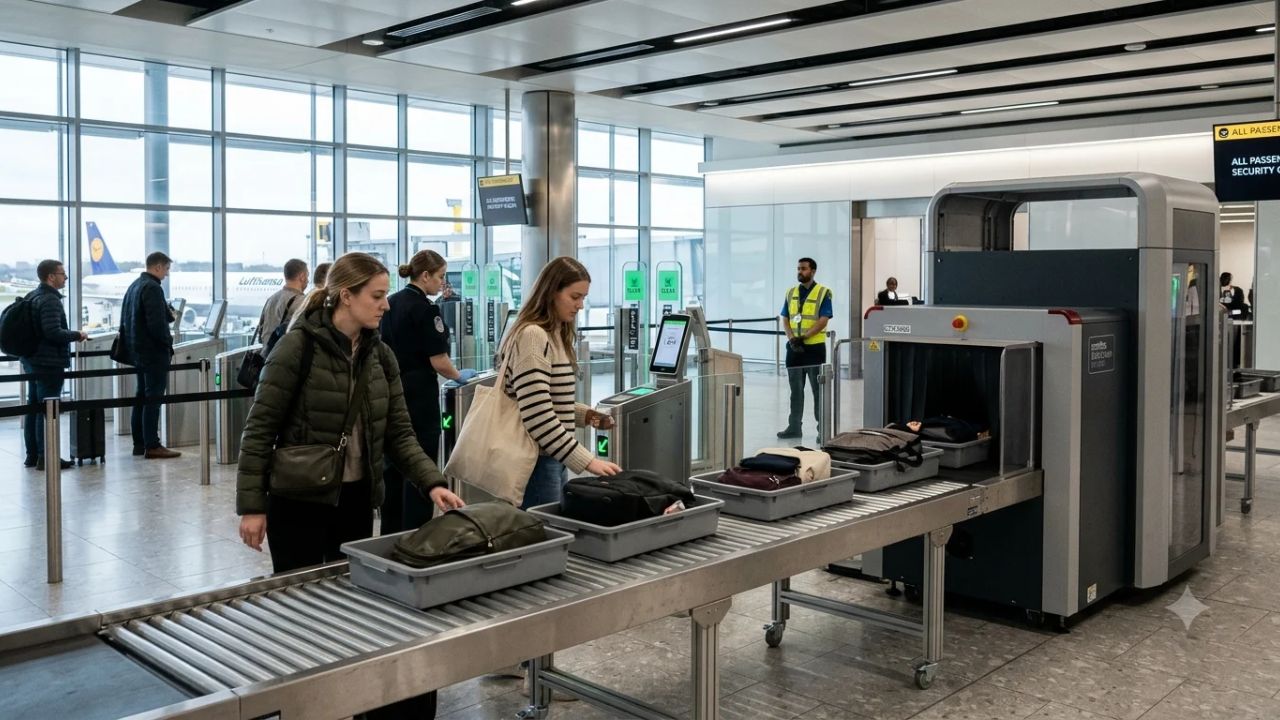
Image generated by AI
Approximately 47% of Spain’s international tourism activity is now generated outside the traditional summer peak season, driven by a structural shift toward cultural immersion, luxury wellness retreats, and extended-stay travel across Germany, the United States, Argentina, Poland, and Brazil. Benchmark research published by The Data Appeal Company in October 2026 reveals that Spain’s visitor economy is successfully decoupling from exclusive reliance on July and August beach vacations. Supported by official metrics from the National Statistics Institute (INE), Spain welcomed 70.36 million international tourists between January and August 2026—a 5.4% year-on-year increase—generating €99.89 billion in foreign visitor expenditure, an 8.0% revenue expansion that highlights the growing profitability of non-seasonal travel.
Rather than experiencing the sharp winter drop-offs that historically affected Mediterranean economies, Spain's strategic deployment of cultural city breaks, subtropical island winter sun in the Canaries, and high-end gastronomy is transforming the destination into a 365-day European travel engine.
The 47% Shift: De-Seasonalizing European Tourism Beyond Summer Beaches
For decades, the European leisure model concentrated passenger volumes and hotel occupancy into an intense eight-week summer window, causing localized overtourism in coastal hotspots while leaving regional infrastructure underutilized during autumn and winter.
The Data Appeal Company’s study establishes that Spain has fundamentally recalibrated this dynamic:
- Cultural Experience Primacy: Cultural discovery has emerged as the single largest motivator of non-seasonal travel, surpassing conventional leisure sun-seeking. Travelers visiting world-class art collections, architectural landmarks, and historic culinary circuits in Madrid, Barcelona, Seville, and Bilbao maintain steady room occupancies throughout autumn and spring.
- Active and Wellness Dispersal: Inland regions and nature corridors—such as Aragón, Extremadura, Castilla-La Mancha, and the Basque Country—are capturing high-value independent travelers seeking hiking, cycling, and rural eco-lodges.
- Subtropical Island Stabilizer: The Canary Islands function as Spain's winter hedge. Located off the coast of northwestern Africa, Tenerife, Gran Canaria, Lanzarote, and Fuerteventura maintain mild temperatures year-round, capturing European sun-seekers between November and March and neutralizing the mainland’s colder off-peak lull.
Comprehensive Performance Matrix: 2026 Arrivals, Expenditure, and Regional Shifts
The following comparative table synthesizes certified operational metrics from INE and Turespaña market research detailing Spain’s year-round travel performance:
| Key Tourism Performance Metric | Verified 2026 Benchmark | Year-on-Year Growth | Analytical Context & Strategic Significance |
|---|---|---|---|
| Non-Peak Tourism Share | Approximately 47% | Structural Shift | Independent Data Appeal study confirming high-yield seasonal spreading |
| International Tourist Arrivals (Jan–Aug) | 70.36 Million Visitors | +5.4% YoY | Record physical arrival volume across all sovereign transit gateways |
| International Tourism Expenditure (Jan–Aug) | €99.89 Billion | +8.0% YoY | Spending growth outpacing arrival growth, indicating higher traveler yields |
| Hotel Overnight Stays (September 2026) | 40.1+ Million Stays | +1.7% YoY | Driven by international non-resident stays (+3.2% YoY) |
| Hotel Average Daily Rate (ADR - Sept) | €141.60 per Room | +7.4% YoY | Accommodation pricing pricing power sustained through early autumn |
| Hotel Price Index (September 2026) | Inflation Indicator | +6.7% YoY | Steady demand supporting premium and luxury hospitality tariffs |
| International Air Arrival Share (August) | 9.23 Million (75.3%) | Dominant Mode | Aviation remains the indispensable channel for international inbound flows |
| Daily Visitor Spending Average (August) | €202 per Day | Increasing Yield | Driven by higher accommodation brackets and extended cultural touring |
Feeder Market Engines: German Island Loyalty, American High-Yield Spend, and Latin Growth
Spain’s non-seasonal resilience is powered by a geographically diversified coalition of origin nations with distinct regional preferences:
Germany: The Core European Island Anchor
Germany remains Spain’s most established inbound market, generating 12.05 million arrivals and 40.62 million hotel nights in 2025 with an average stay of 7.8 nights. Turespaña data reveals that 41% of German travelers head to the Balearic Islands, while 21% select the Canary Islands. German tourists lead off-peak hiking, nature exploration, and solo wellness travel across the Canaries and inland Spain during the late autumn and early spring.
The United States: The Premium Long-Haul Spender
The United States represents Spain's largest non-European source market, delivering 4.45 million visitors who spent €10.22 billion in 2025. American visitors spend an average of €2,296 per person across a 7.8-night duration—more than double the European average. With 27 direct air routes connecting 13 US cities with six Spanish hubs, American travelers drive luxury hotel occupancy across Catalonia (40% of US arrivals), Madrid (26%), and Andalusia (13%).
Argentina and Brazil: South American Cultural Acceleration
Argentina delivered nearly 820,000 visitors in 2025 and 481,247 through July 2026 (+1.3%), concentrating heavily on Madrid (40%) and Barcelona (22%) for high-end dining and theater. Brazil has expanded by 13.1% over three years, with autumn-winter airline reservations surging by 52.2% for the Canary Islands, 26.7% for Madrid, and 21.9% for Andalusia.
Poland: High-Growth European Off-Peak Leader
Poland recorded 2.44 million visitors in 2024 (+30% YoY), with early-season arrivals (January–April) jumping by 40%. Polish travelers distribute evenly across the Canary Islands (22%), Valencia (19%), Andalusia (18%), and Catalonia (18%), seeking winter sun and cultural city breaks.
Regional Product Diversification: Canaries Wellness, Urban Cultural Lodging, and Inland Active Escapes
The Data Appeal Company's 2026 research highlights how different Spanish geographic zones cater to specialized off-peak traveler profiles:
- The Canary Islands (6.6-Night Average Stay): Caters to wellness, multi-generational families, and active outdoor travelers. Over 58.2% of analyzed demand is associated with mid-to-high or luxury accommodation preferences.
- Mediterranean Coast (3.7-Night Average Stay): Transitions in autumn to couples and cultural travelers exploring coastal culinary routes, local wine harvests, and historic maritime villages.
- Major Metropolitan Centers (Madrid & Barcelona): An overwhelming 64.8% of international demand in cities is focused on four- and five-star luxury hotels, supported by shopping, museums, and corporate MICE gatherings.
- Inland & Nature Corridors: Captures independent couples and solo travelers from Germany and the US seeking mountain cycling, national parks, and heritage gastronomy.
Hospitality Economics: Hotel Average Daily Rates Reach €141.60 as International Demand Rises 3.2%
The economic consequence of de-seasonalization is evident in Spain’s hospitality performance metrics. Official INE data for September 2026 confirms that hotel establishments recorded over 40.1 million overnight stays, with international non-resident stays expanding by 3.2% to offset a 1.9% contraction in domestic resident stays.
Despite inflationary pressures, the Hotel Price Index climbed by 6.7%, and the Average Daily Rate (ADR) reached €141.60 (+7.4% year-on-year). Approximately 40% of low-season international bookings now target higher-category hotels, allowing hoteliers to preserve profit margins while avoiding destructive off-season price wars.
By connecting transatlantic aviation links, high-speed rail mobility, and diversified regional heritage, Spain is proving that sustainable tourism growth is achieved not by chasing peak-season volume, but by mastering the off-peak calendar.
Frequently Asked Questions
What percentage of Spain’s tourism activity happens outside the peak summer season?
According to benchmark research by The Data Appeal Company published in October 2026, approximately 47% of Spain's international tourism activity takes place outside the traditional summer peak window.
How much money did international tourists spend in Spain between January and August 2026?
Foreign visitors spent €99.89 billion in Spain during the first eight months of 2026, an 8.0% increase compared to the same period in 2025, according to official INE and Turespaña data.
Which countries are driving off-peak and luxury tourism in Spain?
Germany leads island and active travel; the United States drives luxury urban hotel stays with an average spend of €2,296 per person; Poland is expanding winter sun visits; and Argentina and Brazil are boosting cultural and Canary Islands travel.
How did Spanish hotels perform in September 2026?
Spanish hotels recorded over 40.1 million overnight stays in September 2026 (+1.7% YoY), supported by a 3.2% increase in foreign guest nights and a 7.4% rise in Average Daily Room Rates to €141.60.
Related Travel Guides
- Spain Outlines Tourism 2030 Strategy at Zaragoza Turespaña Convention as International Visitor Spending Nears €100 Billion in 2026
- France and Spain Dominate Global Tourism as Combined Arrivals Near 200 Million Across World Top 20 Ranking
- Greece, Türkiye, and Egypt Power 4% Surge in German Summer Holiday Revenue as Long-Haul Bookings Slump
Disclaimer
This article is for informational and educational purposes only. It does not constitute legal, financial, or professional advice. While we strive to provide accurate and up-to-date information, travel policies, regulations, and conditions change rapidly. Always verify information with official sources before making travel decisions. Nomad Lawyer makes no representations about the accuracy, reliability, completeness, or suitability of the information provided. Readers should consult qualified professionals for advice specific to their circumstances. The views expressed in this article are those of the author and do not necessarily reflect the views of Nomad Lawyer.
Raushan Kumar
Founder & Lead Developer
Full-stack developer with 11+ years of experience and a passionate traveller. Raushan built Nomad Lawyer from the ground up with a vision to create the best travel and law experience on the web.
Learn more about our team →