
Diplomatic Aviation Surge: How Évian and Brussels Are Shielding Luxury Travel from European Travel Chaos and Flight Cancellations: Tourism News
As mass-market travel chaos paralyzes Europe, summit destinations like Évian and Brussels are utilizing executive aviation and secure infrastructure to insulate diplomatic and luxury tourism.

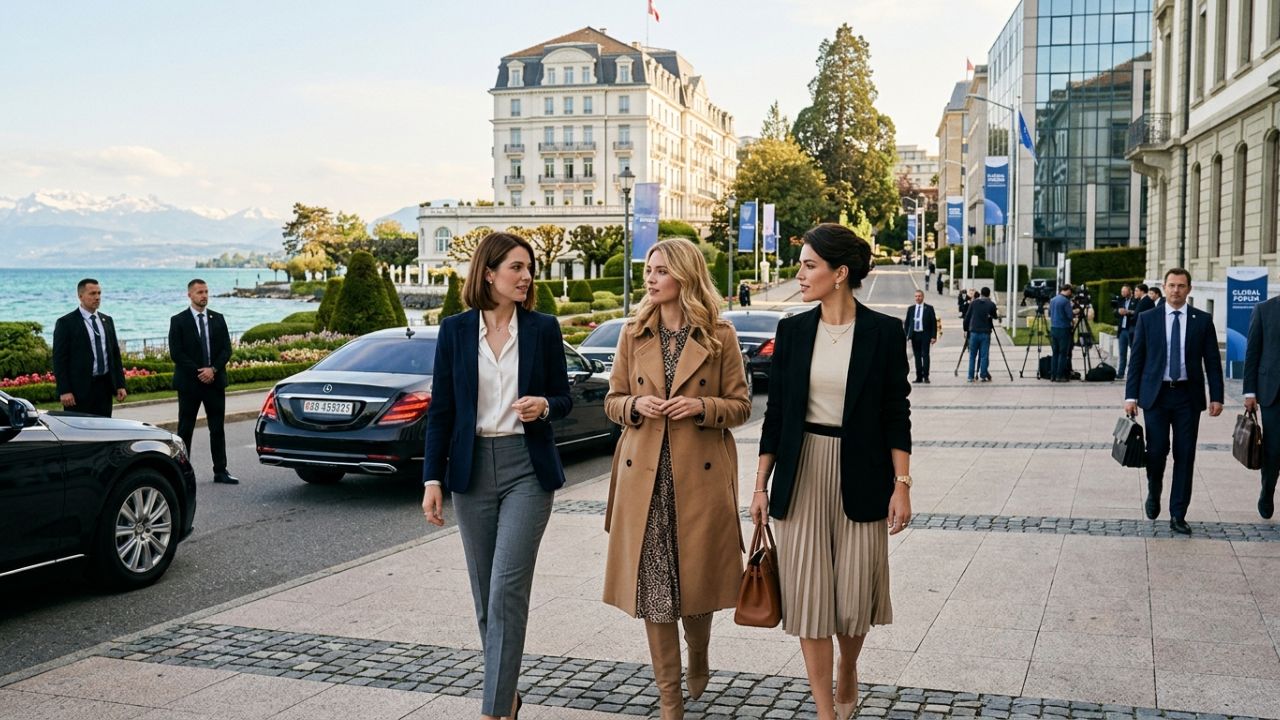
Image generated by AI
In a massive demonstration of infrastructural resilience against the severe travel chaos and sudden flight cancellations currently paralyzing highly congested European mass-market destinations, a highly insulated tier of diplomatic tourism is surging. Reported on June 21, 2026, as exhausted leisure tourists frantically monitor the latest airline news for stable transit alternatives, destinations like Évian-les-Bains and Brussels are actively transforming into high-security, high-yield event hubs. By prioritizing executive aviation, charter mobility, and ultra-secure hospitality networks, these summit locations successfully shield world leaders, corporate delegations, and international media from the cascading operational failures plaguing commercial airlines. For business travelers and luxury tourists attempting to navigate this logistical nightmare and secure premium, reliable experiences, understanding this shift toward event-driven, institutional travel is the only tactical method to bypass today's breaking aviation updates.
By introducing direct passenger coordination and dynamic scheduling backups, these highly secure aviation hubs target growing passenger demand across vital diplomatic sectors. The choice to coordinate private flight departures helps to manage gate capacity, supporting the broader MICE transportation network without succumbing to massive aviation gridlock.
Context: Eradicating Mass-Market Transit Gridlock
For the modern high-net-worth traveler or corporate delegation, relying on traditional commercial aviation networks during peak European summer seasons is routinely an exercise in mitigating vulnerability and cascading transit failure.
Historically, the European tourism model relied heavily on massive, unrestricted visitor flows feeding directly from high-capacity international airports. When severe weather or labor strikes trigger massive travel chaos, the resulting bottlenecks instantly sever critical links, grounding wide-body aircraft and trapping both economy and business-class passengers in prolonged terminal gridlock. Today's surge in diplomatic and summit tourism perfectly illustrates a structural defense against this fragility. By utilizing specialized airport terminals, dedicated executive transport, and hyper-secure hospitality zones in cities like Évian and Brussels, this sector completely bypasses commercial infrastructure. This strategy insulates the diplomatic traveler from the paralyzing long-term effects of delayed commercial flights, allowing delegations to operate safely via highly reliable, rapidly cleared aviation corridors that are functionally immune to mass-market disruptions.
To view live executive flight schedules, verify the active deployment of charter routes, or to track potential airport access prior to heading to the terminal, executive travelers must consult specialized aviation directories. For direct updates regarding how this localized summit resilience might shield your onward corporate itinerary from current flight cancellations out of major European hubs, travelers should aggressively utilize the official digital portals of their respective premium carriers. To explore live transit tracking and monitor the exact severity of the cascading bottlenecks paralyzing alternative European airspace, passengers can consult the official FlightAware tracking service.
Section-Wise Breakdown: The Tactical Institutional Bypass
Évian-les-Bains: The Luxury Summit Fortress
The absolute core of this diplomatic tourism surge is Évian-les-Bains. Widely known for wellness tourism and lakeside luxury, Évian temporarily transformed into a high-security international travel hub during the recent G7 summit. This event triggered a massive, highly coordinated influx of world leaders, official delegations, and support staff. Because this demographic cannot tolerate regional airport disruptions, the destination utilized private aviation networks and secure ground transport to ensure seamless arrivals. This completely bypassed the localized transit chaos that normally accompanies mass tourism, elevating Évian from a mere leisure destination to a globally recognized center for secure political travel.
Brussels: The Anchor of Institutional Resilience
Brussels operates as Europe’s primary, permanent center for institutional and government-related travel. As the headquarters for major European Union bodies, the city's infrastructure is purpose-built to handle massive, rapid diplomatic movements. During this recent summit period, Brussels saw severely intensified mobility. However, by leveraging dedicated executive transport services and robust MICE (Meetings, Incentives, Conferences, and Exhibitions) networks, the city managed this surge without triggering massive commercial flight cancellations, reinforcing its dominance in highly regulated conference tourism.
Transatlantic Executive Expansion
The diplomatic engagements hosted in these cities also act as a massive catalyst for transatlantic travel demand. Because global governance requires highly secure, reliable transit between Europe, the Americas, and Asia, business-class aviation and charter flights have become the backbone of this movement. This premium segment actively supports airline revenue while physically isolating high-level travelers from the chronic congestion paralyzing standard intercontinental routes.
Technical Roster: Official Diplomatic Tourism & Disruption Shield Matrix
To ensure absolute factual accuracy regarding the specific institutional destinations, the protected tourism sectors, and the verified operational strategies defining this surge, the following matrix details the strictly verified data:
Official Diplomatic Tourism & Disruption Defense Matrix
| Strategic Tourism Metric | Verified Disruption Defense Data |
|---|---|
| Primary Institutional Hub | Brussels (European Union HQ & Conference Anchor) |
| High-Profile Summit Hub | Évian-les-Bains (G7 Summit Location & Luxury Hub) |
| Protected Travel Sectors | MICE networks, luxury hospitality, executive ground transport |
| Aviation Resilience Model | Executive airlines, charter flights, premium business-class routes |
| Primary Defense Strategy | High-security infrastructure shielding from commercial mass travel chaos |
Data accurately reflects the verified destination roles (Évian and Brussels) and the operational growth within the diplomatic and MICE tourism sectors as of June 21, 2026.
Industry Analysis: The Lethal Ripple of Segmented Aviation
Tourism and aviation analysts monitoring the highly competitive European network note that the current surge in summit travel is a textbook example of "infrastructural segmentation."
Analysts emphasize that commercial European aviation is highly vulnerable to systemic collapse. When mass-market hubs experience strikes or weather disruptions, the entire network fails. However, the diplomatic tourism model utilized by Évian and Brussels proves that demand for highly insulated, premium travel is skyrocketing. By heavily utilizing business-class aviation routes and private charter flights, these delegations are fundamentally decoupling themselves from the traditional commercial grid. Analysts warn that as the disparity between reliable executive transport and chaotic mass-market transit widens, destinations that successfully build secure, event-driven MICE infrastructure will dominate the luxury sector. Cities that fail to upgrade their executive transport capabilities will be abandoned by high-yield summit planners who refuse to subject their delegations to chronic airport delays.
Actionable Advice for Corporate Travelers
Because this massive shift toward event-driven tourism fundamentally alters the logistics of executive travel in Europe, all corporate passengers must execute this strategic travel checklist immediately:
- Exploit Dedicated MICE Infrastructure: If you are planning corporate travel to Europe, prioritize cities with proven institutional infrastructure like Brussels. These hubs possess the dedicated transport logistics required to bypass commercial travel chaos, ensuring your executive team will not be stranded by standard airline cancellations.
- Leverage Charter and Executive Aviation: When facing rolling airport disruptions across the broader European network, actively pivot your team to executive airlines or private charter services. The premium associated with these flights is immediately offset by the complete avoidance of commercial gridlock and missed corporate engagements.
- Pre-Book Premium Accommodations Early: The massive influx of delegations during summit periods instantly consumes luxury hotel inventory in cities like Évian. If your travel dates align with major political events, you must secure accommodations months in advance, or risk being forced into highly congested, lower-tier properties on the periphery of the secure zones.
FAQ: Diplomatic Tourism and MICE Growth
Which two cities are leading the current surge in European diplomatic tourism?
Évian-les-Bains (host to the G7 summit) and Brussels (headquarters for the European Union) are driving the massive growth in this sector.
What specific travel sectors benefit directly from summit tourism?
Event-driven tourism heavily boosts demand for luxury accommodation, secure executive ground transport, and premium hospitality services.
How does this trend impact the broader aviation industry?
The surge heavily supports business-class aviation and charter flights, generating massive revenue while physically bypassing standard commercial airport disruptions.
The Reality of Fragile Commercial Transit
The strategic insulation executed by European summit destinations proves definitively that succumbing to the volatile disruptions of commercial mass tourism is a choice, not an inevitability. By actively building robust, secure MICE infrastructure, cities like Évian and Brussels have successfully guaranteed that high-level international passengers can escape the terrifying gridlock and route volatility associated with standard commercial hubs. Yet, as corporate travelers frantically attempt to secure their European itineraries, they must accept a critical new reality: surviving the massive disruptions of modern global commerce demands tactical destination selection. Navigating the highly compromised aviation sector requires a complete refusal to accept passive stranding, and the absolute discipline to aggressively seek stable, high-security destinations when traditional regional networks inevitably buckle.
Key Takeaways
- Summit Hub Dominance: Évian-les-Bains successfully transitioned from a leisure destination into a highly secure hub for the G7 summit.
- Institutional Anchor: Brussels continues to dominate as Europe’s permanent center for government-related and conference tourism.
- Luxury Sector Boost: Diplomatic surges generate massive, concentrated demand for premium hotels, fine dining, and secure executive transport.
- Aviation Isolation: Delegations heavily utilize charter flights and business-class routes, completely bypassing commercial travel chaos.
- Long-Term MICE Growth: Short-term political events elevate the global visibility of host cities, securing their long-term dominance in the lucrative MICE travel market.
Related Travel Guides
Massive Travel Chaos Paralyzes Chicago O'Hare with 1,425 Disruptions
Disclaimer
This article is for informational and educational purposes only. It does not constitute legal, financial, or professional advice. While we strive to provide accurate and up-to-date information, travel policies, regulations, and conditions change rapidly. Always verify information with official sources before making travel decisions. Nomad Lawyer makes no representations about the accuracy, reliability, completeness, or suitability of the information provided. Readers should consult qualified professionals for advice specific to their circumstances. The views expressed in this article are those of the author and do not necessarily reflect the views of Nomad Lawyer.
Kunal K Choudhary
Co-Founder & Contributor
A passionate traveller and tech enthusiast. Kunal contributes to the vision and growth of Nomad Lawyer, bringing fresh perspectives and driving the community forward.
Learn more about our team →