Brussels Travel Price Storm: How Surging Energy Tariffs and VAT Hikes Are Reshaping Belgian Urban Tourism

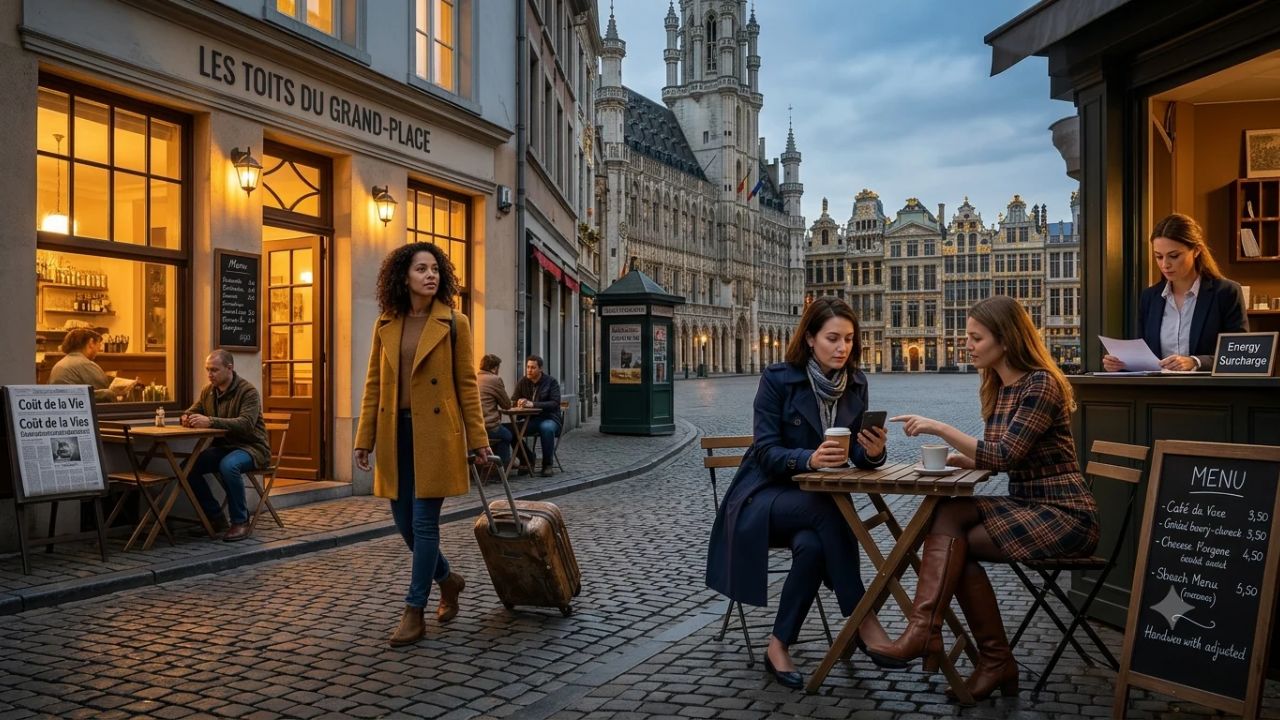
BRUSSELS, November 4, 2026 — Facing an acute confluence of wholesale energy market volatility, escalating municipal power tariffs, and a federal doubling of lodging value-added taxes, the Brussels-Capital Region is grappling with a severe travel affordability crisis. Across the nineteen constituent communes of the Belgian capital, hospitality providers, independent guesthouse proprietors, and neighborhood restaurateurs are confronting an unprecedented surge in fixed operating overheads. The compounding pressure of electricity distribution tariffs exceeding thirty-seven euro cents per kilowatt-hour, paired with a sudden fiscal hike in accommodation value-added tax from six percent to twelve percent, has dismantled the traditional economics of urban travel. What was once celebrated as one of Western Europe’s most accessible, culturally vibrant city-break destinations is transforming into an expensive enclave where budget-conscious travelers must carefully recalculate their holiday budgets.
The economic shock waves extend far beyond the gilded facades of the Grand-Place and the European Quarter. In surrounding residential communes such as Anderlecht, Ixelles, Schaerbeek, and Molenbeek-Saint-Jean, small-scale lodging operators and micro-entrepreneurs are trapped in a punishing financial vise. Historic nineteen-century architectural townhouses, long celebrated for their authentic charm, have become thermal liabilities during the cold winter months, bleeding expensive heating energy through aging masonry and single-paned glass. Unable to absorb consecutive utility tariff spikes alongside mandatory Belgian wage indexing, local operators are forced to pass these expenses directly to consumers, driving regional hotel room rates upward by sixteen percent and altering visitor behavior across the metropolitan landscape.
========================================================================================
BRUSSELS HOSPITALITY ENERGY & COST INFLATION BENCHMARKS (2026)
========================================================================================
  [ELECTRICITY TARIFF BENCHMARK] --> €0.3585 – €0.3719 per kWh (CREAD & CREG Metrics)
  [ANNUAL HOUSEHOLD COMBINED]    --> Nearing €3,300 per Year (Gas & Power Combined)
  [LODGING VAT ESCALATION]       --> Doubled from 6% to 12% via Federal Tax Reform
  [HOTEL ROOM PRICE INFLATION]   --> 16% Regional Increase in Average Daily Room Rates
  [RESTAURANT UTILITY OVERHEAD]  --> Commercial Kitchen Energy at 35% of Total Utility Bill
  [AIRPORT TRANSFER SURCHARGE]   --> €4.50 to €8.00 Transport Fee Escalation per Journey
========================================================================================
Strategic Key Indicators for the Brussels Travel Price Squeeze
- Elevated Power Tariffs: Regional distribution and supply tariffs monitored by the Commission for the Regulation of Electricity and Gas (CREG) have climbed toward €0.3719/kWh, outstripping national averages due to distribution fees, green quotas, and municipal surcharges.
- Fiscal Multiplier on Accommodation: The federal government’s increase of the value-added tax on hotel and tourist lodging services from 6% to 12% has intensified price pressure, transferring administrative costs directly onto guest folios.
- Thermal Inefficiency in Historic Communes: Nineteenth-century subdivided townhouses operating as bed-and-breakfasts in Schaerbeek and Anderlecht face heavy winter heating bills, requiring prohibitive capital outlays for deep thermal retrofitting.
- Gastronomic Operational Margin Compression: Commercial kitchens in Ixelles and central Brussels spend up to 35% of their total utility budget on continuous refrigeration, cooking ranges, and ventilation, driving a 9.5% rise in menu prices.
- Transit Cost Transmission: A 14% year-on-year premium in aviation fuel, combined with a 12% rise in municipal electric transit charging expenses, has elevated airport rail, taxi, and coach transfer costs by €4.50 to €8.00 per trip.
The Macroeconomic Shock: Wholesale Volatility, CREG Tariffs, and the €3,300 Household Benchmark
The financial strain sweeping through Brussels hospitality networks originates within volatile international commodity markets. Because Belgium relies heavily on natural gas imports for power generation and domestic heating, the regional economy remains sensitive to disruptions in liquefied natural gas (LNG) supply chains, maritime shipping corridors, and geopolitical tensions across the Middle East. Over the past twelve months, wholesale gas and electricity contracts have experienced aggressive repricing cycles, with variable-rate energy contracts jumping by up to 20% during peak geopolitical friction periods.
According to official market data published by the Commission for the Regulation of Electricity and Gas (CREG), the Brussels-Capital Region bears higher structural distribution tariffs than Flanders or Wallonia. Regional electricity supply and distribution benchmarks have averaged between €0.3585 and €0.3719 per kilowatt-hour in regulatory filings. These figures reflect a compounding accumulation of transmission grid fees, regional green energy certificate quotas, and municipal utility surcharges designed to fund local infrastructure.
REGIONAL POWER TARIFF BREAKDOWN: BRUSSELS-CAPITAL REGION (CREG DATA 2026)
| Entity / Facility | Delays | Cancellations | Details |
|---|---|---|---|
| Tariff Component | Cost Basis (€/kWh) | Share of Total (%) | Volatility Exposure |
| Pure Energy Cost | €0.1650 – €0.1780 | 46.5% | Extreme (Wholesale) |
| Distribution Grid | €0.1120 – €0.1180 | 31.2% | Regulated Annual |
| Transmission (Elia) | €0.0380 – €0.0410 | 10.6% | Fixed Infrastructure |
| Green Quotas & Levies | €0.0435 – €0.0450 | 11.7% | Policy Determined |
| Total Retail Tariff | €0.3585 – €0.3719 | 100.0% | Compounded Quarterly |
For residential consumers and small businesses alike, these elevated unit costs translate into heavy financial burdens. Projected annual household energy bills across Brussels are approaching the €3,300 threshold for combined electricity and natural gas consumption. When translated into the commercial hospitality sector—where boutique hotels, serviced apartments, and shared-living lodgings must maintain continuous heating, hot water, and lighting for incoming guests—the financial burden becomes intense.
Official data compiled by Statbel, the Belgian statistical office, highlights that national headline inflation has fluctuated around 3.40%, with energy commodities and housing-related services identified as the primary upward contributors. Unlike multinational corporate hotel conglomerates that negotiate multi-year fixed hedging contracts, independent family-owned accommodations in Brussels operate on variable or semi-flexible utility tariffs. When energy rates spike, proprietors must either absorb crushing operational deficits or immediately adjust nightly rates upward, initiating a cycle of price increases that undermines their appeal to budget-conscious travelers.
The Fiscal Multiplier: Doubling the Lodging VAT from 6% to 12%
Compounding the pressure of volatile energy tariffs is a significant realignment of national fiscal policy. As part of broader federal budgetary consolidation measures, the Belgian government enacted an increase in the value-added tax applied to hotel and tourist accommodation services, doubling the baseline rate from 6% to 12%.
========================================================================================
THE DUAL SQUEEZE ON BRUSSELS HOSPITALITY MARGINS
========================================================================================
  [UTILITY OVERHEAD]     --> Regional Power Tariffs averaging €0.3719 per kWh
  [FISCAL MULTIPLIER]    --> Federal Lodging VAT doubled from 6% to 12%
  [LABOR DYNAMICS]       --> Mandatory Belgian Automatic Wage Indexing (+3.8% Trajectory)
  [FIXED PASS-THROUGH]   --> Hoteliers unable to absorb costs; +16% Room Rate Inflation
  [CONSUMER RETREAT]     --> Leisure tourists shorten stays and reduce dining spend
========================================================================================
This fiscal change arrived at an exceptionally difficult moment for the regional hospitality industry. While the 6% rate was originally established to maintain Belgian competitiveness against neighboring destinations like the Netherlands, France, and Germany, the new 12% rate directly intersects with rising electricity, gas, and water overheads. For an independent hotelier operating a thirty-room property in central Brussels, the tax increase represents tens of thousands of euros in additional annual tax remittances that cannot be offset by input tax deductions.
The fiscal pressure is intensified by Belgium’s mandatory wage-indexing system (indexation automatique des salaires). Under Belgian labor law, when the health index of consumer prices crosses a predetermined threshold, employers are legally required to raise gross employee wages across the board. Over the past twenty-four months, hospitality sector salaries have adjusted upward by several percentage points to keep pace with inflation. Caught between doubled lodging taxes, mandatory wage increases, and unpredictable utility invoices, accommodation providers possess virtually no margin flexibility. Consequently, average hotel room rates across the Brussels-Capital Region have climbed by roughly 16%, presenting holidaymakers with significantly higher accommodation bills before they even arrive in the city.
Commune-by-Commune Impact: Vulnerable Neighborhoods Under Pressure
The consequences of this travel price storm are distributed unevenly across the Brussels metropolitan area. Distinct architectural characteristics, socioeconomic profiles, and commercial infrastructure create unique vulnerabilities across different urban communes.
VULNERABILITY MATRIX ACROSS KEY BRUSSELS COMMUNESCOST DRIVERS
| Entity / Route | Metrics | Operational Status |
|---|---|---|
| Commune | Architectural & Business Profile | Primary Operational Pressure |
| Anderlecht | Dense residential corridors and | Older, uninsulated housing; |
| canal logistics; budget stays | prohibitive retrofitting costs | |
| Ixelles (Elsene) | Upscale shopping, student zones, | High commercial land rents; |
| dense short-term rental listings | climate control surcharges | |
| Schaerbeek | Historic 19th-century townhouses; | High-ceiling masonry bleeding |
| family B&Bs near Josaphat Park | winter heat; variable gas fees | |
| Molenbeek-Saint-Jean | Regenerating canal communities; | Micro-entrepreneurs lacking |
| independent budget food spots | cash buffers; narrowing gap |
Anderlecht: The Squeeze on Western Budget Perimeters
Anderlecht stands out as a populous western commune featuring an intricate blend of historic working-class quarters, commercial corridors, and logistics districts along the Brussels Canal. For decades, independent travelers sought out budget-friendly guesthouses, small hostels, and family-run apartments in Anderlecht to avoid the premium prices of central Brussels.
Today, those budget perimeters are in jeopardy. Anderlecht’s older residential buildings and subdivided multi-family townhouses often feature low energy performance ratings (PEB certifications ranging from E to G). During winter months, heating these poorly insulated brick properties requires substantial gas consumption. Independent guesthouse operators face an agonizing dilemma: absorb these utility expenses and risk insolvency, or raise nightly rates and lose their competitive edge against mid-scale central hotels. Because budget travelers choose Anderlecht primarily for low prices, even modest price increases cause sharp declines in forward bookings, threatening the viability of the local micro-hospitality network.
Ixelles: High Rents and Short-Term Rental Overhead Surges
Ixelles represents one of Brussels’ most fashionable, culturally active communes, encompassing high-end retail districts like Toison d’Or, student quarters around the Université Libre de Bruxelles (ULB) and Vrije Universiteit Brussel (VUB), and vibrant culinary centers around Place Flagey and the Ponds of Ixelles. The commune hosts a high concentration of short-term vacation rentals and boutique accommodations operating alongside premium dining establishments.
In Ixelles, the energy crisis intersects with high real estate costs. Property managers face steep commercial rents compounded by electricity surcharges needed to run continuous lighting, dishwashers, and climate control systems. In addition, municipal restrictions on outdoor terrace heating have forced cafes and bars to invest in specialized electric blanket seating and high-efficiency infrared panels. To preserve baseline operating margins, short-term rental hosts have increased cleaning surcharges, linen fees, and base nightly rates. Visitors seeking stylish urban apartments near Flagey now face accommodation bills that rival central five-star hotels, reducing the affordability of one of the city's premier cultural districts.
Schaerbeek: Historic Townhouses and Winter Thermal Realities
Located northeast of the city center, Schaerbeek is renowned for its grand nineteenth-century residential townhouses, eclectic Art Nouveau architecture, and green open spaces like Josaphat Park. The commune contains a significant collection of spacious historic residences that have been converted into charming bed-and-breakfasts, boutique guesthouses, and independent cultural retreats.
However, these architectural treasures present severe structural energy challenges. Characterized by soaring ceilings, ornate plasterwork, porous masonry, and expansive single-glazed windows, these historic townhouses require massive volumes of thermal energy to maintain comfortable indoor temperatures. Heating expenses for multi-story properties have surged under variable gas tariffs, turning the winter travel season into a severe financial liability for small operators. Because municipal preservation regulations strictly limit exterior modifications to historic facades, owners cannot simply add external wall insulation or replace historic window frames with modern double glazing without lengthy, expensive architectural approval processes. As a result, small B&B owners are forced to raise nightly rates simply to cover basic utility expenses.
Molenbeek-Saint-Jean: Regenerating Districts and Micro-Enterprise Strain
Molenbeek-Saint-Jean, situated along the western bank of the Brussels Canal, is an urban commune undergoing sustained regeneration, where former industrial warehouses coexist with multicultural residential neighborhoods. The commune’s hospitality sector relies heavily on independent micro-enterprises: family-operated bakeries, modest tearooms, small neighborhood bistros, and budget lodgings.
These grassroots operators lack the financial cushions or credit lines of international hotel chains. Every upward fluctuation in monthly electricity and gas invoices directly threatens their day-to-day operations. Historically, Molenbeek provided an accessible, affordable entry point for international backpackers, students, and budget explorers. However, as local hosts and restaurant owners raise prices to keep up with utility costs, the historic price discount between Molenbeek and central Brussels has narrowed considerably. This economic shift reduces affordable options for independent travelers while placing severe pressure on local community businesses.
The Commercial Kitchen Squeeze: Gastronomic Margins and 9.5% Menu Inflation
The impact of Brussels’ energy price storm is equally evident in the city's culinary sector. Brussels is internationally recognized for its gastronomic culture, spanning historic brasseries serving carbonnade flamande and moules-frites to contemporary bistros celebrating seasonal Belgian produce. However, behind restaurant kitchen doors, operators face an intense operational squeeze.
========================================================================================
COMMERCIAL RESTAURANT ENERGY OVERHEAD & PRICING TRANSMISSION
========================================================================================
  [UTILITY ALLOCATION]   --> Kitchen equipment consumes up to 35% of total venue energy
  [CORE POWER LOADS]     --> Heavy walk-in cold rooms, ventilation hoods, induction tops
  [AVERAGE MENU RISE]    --> 9.5% Documented increase across Brussels dining establishments
  [DINING PIVOT]         --> Leisure travelers abandon sit-down dining for quick-service
  [NEIGHBORHOOD IMPACT]  --> Historic bistros lose lunch trade; reliance on weekend peaks
========================================================================================
Industry analyses conducted by Belgian catering associations reveal that commercial kitchen operations account for up to 35% of a dining establishment's total utility expenditure. Walk-in refrigeration units, industrial exhaust hoods, high-temperature dishwashers, and heavy-duty cooking ranges operate for twelve to sixteen hours daily. With commercial power tariffs hovering near €0.37/kWh, monthly electricity and gas invoices for mid-sized restaurants have expanded by hundreds of euros.
To offset these compounding overheads, restaurant operators across Brussels have implemented menu price increases averaging 9.5%. Dishes that once represented affordable culinary pleasures now carry premium prices. A traditional pot of mussels with fries that historically sold for €22 now routinely commands €27 to €30 in central districts, while artisan draft beers have experienced similar upward adjustments.
This price escalation has triggered a notable shift in visitor behavior. While business travelers and institutional European Union delegations continue to patronize traditional dining rooms, leisure travelers exhibit acute spending caution. Visitors are increasingly bypassing sit-down three-course dinners in favor of quick-service food stalls, supermarket self-catering, or take-away friteries. This spending reduction threatens the financial viability of family-owned neighborhood bistros that depend on steady tourist foot traffic to maintain profitability.
Transport Overhead Transmissions: Aviation Fuel, Airport Links, and Tram Infrastructure
The inflationary wave extends into the transit networks that connect international travelers with the Belgian capital. Transport logistics represent a significant portion of any holiday budget, and rising energy costs have introduced new financial barriers for visitors arriving by air or navigating the city's public transport systems.
TRANSIT INFLATION DYNAMICS ACROSS BRUSSELS TRANSPORT NETWORKS
| Entity / Route | Metrics | Operational Status |
|---|---|---|
| Transport Sector | Energy Cost Mechanism | Direct Consumer Impact |
| Commercial Aviation | 14% YoY jet fuel premium driven | Higher baseline flight fares |
| by global refinery disruptions | into Zaventem and Charleroi | |
| Airport Rail Links | Energy-pegged Diabolo rail | Standard airport train ticket |
| (Brussels Airport) | infrastructure fee surcharges | rises past €10.80 per trip |
| Regional Shuttles | Elevated diesel fuel costs for | Charleroi coach fares increase |
| (Charleroi Airport) | express highway motorcoaches | by €4.50 to €8.00 per journey |
| Municipal Transit | 12% increase in electric charging | Multi-day pass restructuring |
| (STIB/MIVB Network) | expenditures for tram/bus fleets | by public transport operators |
In the aviation sector, European airlines have grappled with a 14% year-on-year premium on jet fuel, driven by international refining bottlenecks and geopolitical volatility. Carriers operating routes into Brussels Airport (Zaventem) and Brussels South Charleroi Airport have introduced fuel surcharges and reduced seat capacity, driving up ticket prices for leisure holidaymakers departing from the UK, Spain, Italy, and Scandinavia.
Once on the ground, visitors encounter higher local transfer fees. The dedicated rail link connecting Brussels Airport with the city center incorporates the "Diabolo fee"—a supplemental railway infrastructure charge that has adjusted upward to offset financing and energy overheads, pushing single one-way tickets past €10.80. For budget travelers arriving at Charleroi Airport, located fifty-five kilometers south of the capital, express shuttle coach operators have raised one-way fares by €4.50 to €8.00 per passenger to compensate for elevated diesel fuel costs.
Within the city, the Brussels Intercommunal Transport Company (STIB/MIVB)—which operates the metropolitan metro, tram, and bus networks—has faced a 12% increase in electric power charging expenditures for its modern electric and hybrid vehicle fleets during peak tariff periods. While public transit remains an affordable transit option compared to private taxis, the accumulation of increased transit costs adds another financial barrier for budget-conscious explorers navigating the capital.
The Technological Divide: AI Building Automation vs. Independent B&B Capital Scarcity
In response to sustained utility pressures, a technological divide is opening across the Brussels hospitality sector. Large corporate hotels and international chains operating in the European Quarter and central business districts have accelerated investments in smart building automation and artificial intelligence-driven energy management systems.
========================================================================================
THE TECHNOLOGICAL DIVIDE IN BRUSSELS HOSPITALITY
========================================================================================
  [CORPORATE HOTEL CHAINS]   --> Deploy AI IoT climate control & automated guest sensors
                                Achieve 18% reduction in baseline kWh energy consumption
  [CAPITAL INVESTMENT GAP]   --> Retrofitting costs €50,000 to €150,000 per property
  [INDEPENDENT B&Bs]         --> Lack capital reserves for building management systems
  [COMPETITIVE DIVIDE]       --> Chains hedge utility risk; independent guesthouses absorb
                                severe spot-rate tariff shocks and raise consumer prices
========================================================================================
These intelligent building platforms utilize Internet of Things (IoT) sensors, automated guestroom climate controls, and predictive heating algorithms that adjust radiator valves based on real-time room occupancy and ambient outdoor temperatures. Properties deploying these systems achieve an average 18% reduction in total kilowatt-hour energy utilization, shielding themselves against severe wholesale utility spikes.
However, the capital requirements needed to implement these advanced technologies remain out of reach for small independent operators. Modernizing an older multi-story property in Schaerbeek or Anderlecht typically requires between €50,000 and €150,000 in upfront capital investment for hardware, smart thermostats, heat pumps, and electrical rewiring. Independent proprietors, already operating on thin profit margins, cannot secure the necessary bank financing without municipal grant assistance.
This technological disparity creates an uneven playing field. While multinational hotel conglomerates can absorb fiscal adjustments and lower their per-room energy overhead through building automation, independent guesthouses remain vulnerable to spot-market utility volatility. Over time, this dynamic risks driving small family-run accommodations out of business, reducing the diversity and character of the city's lodging ecosystem.
The MICE and Business Travel Reconfiguration
Brussels serves as the diplomatic and institutional capital of the European Union, hosting the European Commission, the European Parliament, the Council of the European Union, and the headquarters of NATO. Consequently, the city’s travel economy is anchored by Meetings, Incentives, Conferences, and Exhibitions (MICE) tourism, which generates substantial midweek hotel occupancy and commercial spending.
However, the energy crisis has begun to affect this corporate and institutional foundation. Major convention and exhibition facilities across the Brussels-Capital Region—including Brussels Expo at Heysel and the Square-Brussels Meeting Centre in the city center—have implemented a 14% increase in facility rental tariffs to absorb rising heating, air conditioning, and electrical lighting overheads.
MICE SECTOR RESTRUCTURING: INSTITUTIONAL VS. COMMERCIAL BEHAVIOR
| Entity / Route | Metrics | Operational Status |
|---|---|---|
| Market Segment | Operational Characteristics | Strategic Behavioral Response |
| EU & Institutional | Mandatory diplomatic summits; | Stable volume; strict per-diem |
| Delegations | fixed intergovernmental budgets | adherence and centralized caps |
| Corporate Trade | Independent commercial congresses | Contracting schedules; shifting |
| Associations | and private corporate summits | toward hybrid virtual formats |
| Ancillary Event | Exhibition booths, lighting, | Reducing physical booth sizes |
| Spending | audiovisual equipment, banquets | and opting for standing buffets |
While mandatory intergovernmental summits and European Union institutional business travel maintain steady volume due to official mandates, private commercial associations and corporate congress planners are showing signs of financial caution. Corporate travel coordinators are shortening event timelines from three-day gatherings to two-day intensive conferences, negotiating hybrid attendance formats to reduce hotel room nights, and trimming catering budgets.
Exhibition organizers are also scrutinizing ancillary expenses, such as booth electrical hookups, decorative lighting, and heated lounge areas, which now carry energy-related surcharges. This spending reduction impacts hotels, restaurants, and private transport providers in Ixelles and the European Quarter that rely on business delegations to sustain profitability between peak leisure holiday windows.
Comparative Benchmark Table: European Capital Tourism Operating Costs (2026)
To understand Brussels’ competitive standing within the broader European urban travel marketplace, the following comparative matrix examines key lodging, fiscal, and energy metrics across four major continental capitals:
EUROPEAN METROPOLITAN TOURISM COST BENCHMARKING (2026 METRICS)
| Indicator Metric | Brussels (Belgium) | Amsterdam (Neth.) | Paris (France) | Berlin (Germany) |
|---|---|---|---|---|
| Average Hotel | €168 – €185 | €215 – €240 | €235 – €270 | €145 – €165 |
| ADR (Mid-Scale) | (Rising rapidly) | (Consistently high) | (Global premium) | (Relatively stable) |
| Lodging VAT Rate | 12.0% | 9.0% | 10.0% | 7.0% |
| on Accommodations | (Doubled in 2026) | (Reduced rate) | (Standard reduced) | (Reduced lodging) |
| Electricity Cost | €0.3585 – €0.3719 | €0.3150 – €0.3300 | €0.2550 – €0.2700 | €0.3800 – €0.4050 |
| Benchmark (€/kWh) | (High distribution) | (Moderate fees) | (Nuclear base) | (Renewables/grid) |
| 12-Month Room | +16.0% | +8.5% | +11.2% | +6.4% |
| Rate Inflation | (Severe squeeze) | (Demand stabilized) | (Post-event ease) | (Moderate rise) |
| Average Hotel | 64% – 75% | 78% – 84% | 75% – 82% | 68% – 76% |
| Occupancy Rate | (Midweek skewed) | (Strong year-round) | (High leisure flow) | (Convention heavy) |
This benchmark data illustrates Brussels’ complex position. While base room rates remain lower than top-tier luxury capitals like Paris and Amsterdam, Brussels has experienced one of the sharpest rates of hotel price inflation (+16%) among continental urban centers. Compounding this dynamic, with its lodging VAT doubled to 12% and regional electricity tariffs approaching €0.37/kWh, Brussels is losing its traditional pricing advantage over competing destinations. Without proactive policy interventions to stabilize energy costs for small businesses, the Belgian capital risks alienating budget travelers and reducing its appeal as an accessible cultural destination.
The Emerging Traveler Playbook: Managing Travel Costs in Brussels
For independent travelers and budget-conscious holidaymakers planning a trip to Brussels during this period of elevated prices, strategic planning can help manage expenses without sacrificing the travel experience. The following operational recommendations provide practical guidance for visiting the Belgian capital:
PRACTICAL FIELD PROTOCOL: MANAGING TRAVEL EXPENSES IN BRUSSELS
| Category / Entity | Details / Impact |
|---|---|
| Planning Factor | Operational Guidance |
| Accommodation | Explore licensed co-living spaces or modern apart-hotels with |
| Selection | high PEB ratings to avoid hidden winter heating surcharges. |
| Transit Strategy | Purchase a multi-day STIB/MIVB transit pass or 10-journey ticket |
| rather than single tickets; utilize suburban S-train corridors. | |
| Cultural Savings | Invest in the MuseumPASSmusées for access to over 220 Belgian |
| museums; visit on first Sundays for free municipal admissions. | |
| Dining Tactics | Seek out neighborhood daily lunch specials (plat du jour) or |
| explore multicultural street food markets in Saint-Gilles/Midi. | |
| Seasonal Timing | Travel during shoulder seasons (late October or March) to secure |
| lower room rates while avoiding peak winter heating surcharges. |
When booking accommodations, travelers should carefully review property listings on short-term rental platforms, checking for separate utility fees or excessive cleaning charges added at checkout. Choosing newer, energy-efficient apartments or certified eco-hostels in outer communes like Forest or Saint-Gilles can offer significant savings compared to older townhouses in Schaerbeek or central luxury hotels.
For dining, travelers can experience authentic Belgian culinary culture affordably by patronizing neighborhood daily lunch specials (formule midi), which often offer two-course meals for half the price of evening dinners. Exploring local street food markets—such as the lively Sunday morning market at Gare du Midi or food stalls around Place Sainte-Catherine—provides fresh, delicious meals at modest prices.
Finally, utilizing cultural passes like the Brussels Card or the national MuseumPASSmusées offers unlimited access to major attractions, including the Royal Museums of Fine Arts, the Magritte Museum, and the Musical Instruments Museum, alongside free public transit. By planning thoughtfully, travelers can continue to enjoy the rich history, art, and architecture of Brussels while staying within their budget.
The Strategic Roadmap: Safeguarding Urban Tourism in an Era of Energy Volatility
The travel price pressures currently affecting Brussels represent a critical test for the city's tourism authorities and municipal government. While the immediate drivers—wholesale energy market volatility and national fiscal reform—lie largely outside local control, the response of regional policymakers will determine the long-term health of the city's visitor economy.
To preserve the diversity of its hospitality sector, the Brussels-Capital Region should consider introducing targeted green renovation grants and low-interest loans for independent guesthouses and historic B&Bs. Providing small business owners with financial support to install double glazing, roof insulation, and modern heat pumps would lower operating overheads while contributing to the city's broader carbon reduction goals.
Simultaneously, municipal tourism organizations must work to highlight the unique cultural identities of outer communes, encouraging visitors to explore neighborhood markets, parks, and artisan workshops beyond the traditional tourist core. By supporting local businesses and promoting sustainable, value-driven travel, Brussels can preserve the welcoming spirit and cultural richness that have long made it one of Europe's most rewarding urban destinations.
Related Travel Guides and Analysis
- Spain, France, Austria, and Thailand Top Global Winter Tourist Rankings
- Bolivia Emerges as a Global Corporate Incentive Powerhouse
- Indonesia Pioneers the Global Regenerative Tourism Revolution
- Cambodia Travel Industry Slowdown and Sustainable Recovery Push
- Dominica 48th Independence and Creole Heritage Tourism Resilience
- Thailand Tourism Slowdown and High-Value Community Travel Strategy
- Ultra-Luxury World Cruises Economics and Land Travel Cost Comparison
This article is for informational purposes. Flight routes, passenger regulations, visa rules, and transit advisories are subject to change by airlines and aviation authorities. Readers are advised to verify schedules and travel documentation with relevant carriers and border agencies before departure.
Related Stories

The Ultimate Guide to Five Magical Harry Potter Rail Journeys Across the United Kingdom as the Film Franchise Turns 25

Beyond Green Expands Sustainable Luxury Portfolio to 22 Countries with New Costa Rica and Spain Hotels 2026