
Sri Lanka Defies $200 Oil Shock as Tourist Arrivals Soar Past 900,000 in 2026 Driven by Indian Market: How Strait of Hormuz Blockade and US-Iran Conflict Impact South Asian Travel Resilience
Despite the global $200 oil crisis and Strait of Hormuz blockade, Sri Lanka's tourism sector stages a historic recovery, welcoming over 900,000 arrivals by early May 2026.

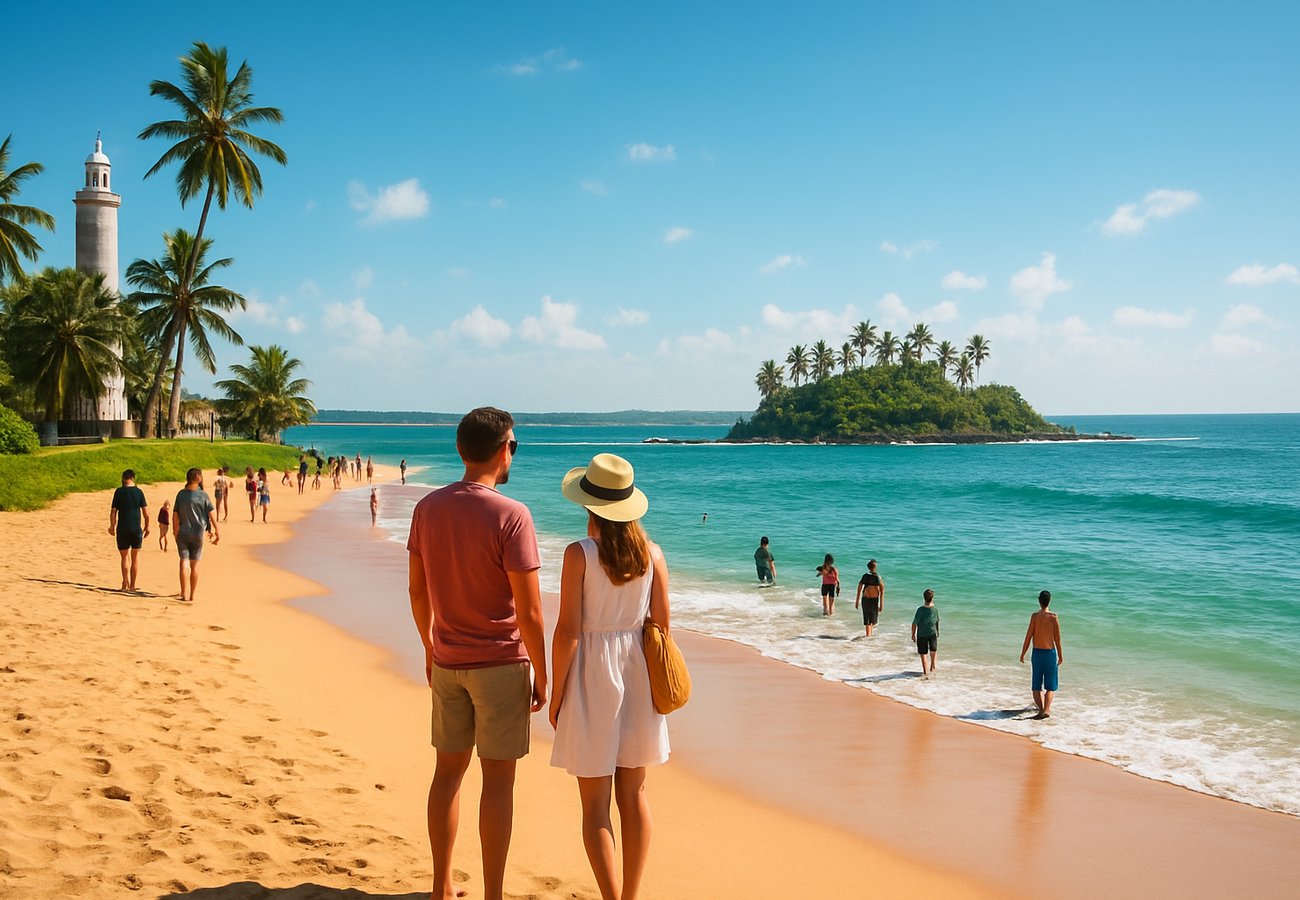
Image generated by AI
The global tourism industry is witnessing an extraordinary display of economic resilience in South Asia. Despite the massive $200 per barrel oil shock and the military blockade of the Strait of Hormuz, Sri Lanka’s tourism sector has staged a spectacular recovery, welcoming over 900,000 international visitors between January 1 and May 6, 2026.
As the escalating US-Iran conflict drives jet fuel costs to record highs and forces airlines to consolidate long-haul routes, Sri Lanka’s proximity to key regional markets has shielded its travel industry from the worst of the crisis. While Gulf nations like Saudi Arabia, the United Arab Emirates (UAE), and Qatar work to stabilize global trade lanes, Sri Lanka's diverse travel experiences and close ties with India have solidified its position as Asia's premier resilient destination.
Expanded Overview: Sri Lanka's Historic Recovery Amidst Global Energy Strain
According to official statistics from the Sri Lanka Tourism Development Authority (SLTDA), the island nation’s tourism sector has recorded a highly impressive milestone, surpassing 900,000 arrivals in the first five months of 2026. This performance marks a robust recovery from previous years of economic and operational challenges.
However, this travel boom is occurring during a severe global energy crisis. The blockade of the Strait of Hormuz—the world’s most critical maritime transit point, handling approximately 20% of global petroleum transit—has caused a major fuel squeeze. As airlines raise ticket prices to manage soaring operating costs, Sri Lanka has successfully adapted by targeting regional travel corridors, capitalizing on its short-haul connectivity to keep visitor numbers high despite global travel disruption.
Geopolitical Context: The Persian Gulf Conflict and South Asian Stability
The root of this global economic strain lies in the intense military standoff between the United States and Iran in the Persian Gulf. Naval blockades and security threats have made maritime transport through the Middle East highly unpredictable, driving oil prices up and creating complex routing challenges for commercial airlines.
This conflict has forced Gulf Cooperation Council (GCC) powers—specifically Saudi Arabia, the UAE, Qatar, Kuwait, Oman, and Bahrain—into a difficult strategic position as they work to bypass the blockade and protect their shipping routes. In this climate of high volatility, South Asia has emerged as a relatively stable travel alternative. Sri Lanka has leveraged this stability, offering a safe and peaceful destination for travelers looking to escape the economic and security anxieties affecting other parts of the world.
Global Energy and Shipping Impact on South Asian Aviation
With oil prices firmly established at $200 per barrel, airlines are facing unprecedented cost pressures. To remain profitable, carriers have had to significantly adjust their flight schedules, leading to consolidated long-haul networks and higher airfares.
This fuel squeeze has had a direct impact on Sri Lanka’s tourism demographics. Long-haul arrivals from traditional European markets like the United Kingdom and Germany have faced headwinds due to expensive airfares. To offset this, the SLTDA has focused heavily on nearby markets, leveraging direct air links and affordable travel packages to draw travelers from nearby countries, ensuring a steady flow of visitors despite global aviation challenges.
Shipping & Trade Impact: Maritime Rerouting and the April-May Dip
The maritime blockade has forced commercial shipping fleets to bypass the Suez Canal and route around Africa’s Cape of Good Hope, adding up to two weeks to global transit times and causing maritime insurance rates to jump by over 500%.
| Travel Period (2026) | Daily Arrival Trend | Key Contributing Factors |
|---|---|---|
| Jan, Feb, March | Robust & Near-Record | Strong winter-escape demand from Europe and Russia; active short-haul regional flights. |
| April & May (to May 6) | Marked Decline | Seasonal fluctuations; airline schedule adjustments due to high fuel costs; global economic inflation. |
While the overall numbers for 2026 remain highly promising, SLTDA data reveals a decline in daily arrivals during April and May compared to the first three months of the year. This dip is closely linked to global travel trends and airline schedule adjustments, as carriers reduce flight frequencies to manage their high fuel bills, directly impacting visitor flows to the island during the spring shoulder season.
Regional Impact: Strategic Diversification in the Gulf States
The ongoing energy crisis is also forcing major Gulf states to re-evaluate their own long-term economic plans. Saudi Arabia, the UAE, and Qatar have invested billions of dollars in building luxury tourism infrastructures to prepare for a post-oil economy.
However, with the Strait of Hormuz blocked and international travel constrained, these nations are facing a temporary slowdown in long-haul visitor arrivals. To adapt, Gulf-based super-connectors like Emirates and Qatar Airways are actively expanding their regional flight options to safe, high-demand destinations in South and Southeast Asia. By offering increased connectivity and promotional packages to Sri Lanka, these airlines are successfully keeping their aircraft active and helping to drive the island’s impressive tourist numbers.
How Diverse Source Markets Are Driving Sri Lanka's Resurgence
Sri Lanka’s successful recovery is built on a diverse international traveler base and highly targeted regional marketing:
- India Leading the Pack: India has emerged as the dominant source market, contributing a staggering 200,796 visitors between January 1 and May 6. The close geographical proximity, shared cultural ties, and frequent, direct flight connections have made Sri Lanka an incredibly popular and affordable choice for Indian holidaymakers.
- The United Kingdom: Remains a highly valuable, high-spending source of long-haul tourists, driven by a deep historical connection and a strong interest in Sri Lanka's cultural heritage and tea plantations.
- Russia: Providing a steady stream of winter-escape travelers, drawn to the island's pristine beaches and warm climate.
- Germany: Contributing eco-conscious and luxury travelers who are highly supportive of the island's sustainable tourism initiatives.
- China: Showing a rapid increase in arrivals as direct flights expand, positioning China as a key emerging market for the remainder of 2026.
Key Attractions Driving Demand:
- UNESCO World Heritage Sites: Ancient cultural wonders like Sigiriya and Anuradhapura.
- Natural Landscapes: Pristine beaches, lush tea plantations in Nuwara Eliya, and rich wildlife reserves.
- Sustainable Eco-Tourism: Boutique eco-resorts and low-impact travel options that appeal to modern, environmentally conscious travelers.
Industry and Expert Analysis: A Masterclass in Tourism Resilience
Aviation and travel economists point out that Sri Lanka’s performance in 2026 is a premier example of tourism resilience during a global crisis.
By diversifying its source markets and actively promoting regional travel, the SLTDA has protected the island's economy from the worst of the global aviation slowdown. This focus on short-haul markets and sustainable, localized travel experiences ensures that Sri Lanka's hospitality sector can remain highly profitable and resilient even in a high-fuel-cost environment.
What Happens Next: Future Scenarios and Tourism Outlook
- Sustained High Fuel Costs: If Middle Eastern shipping disruptions continue, long-haul travel will remain expensive. Sri Lanka will likely focus even more on regional markets, expanding ferry links and short-haul flights to India and Southeast Asia.
- Diplomatic De-escalation: If international diplomatic efforts successfully resolve the US-Iran conflict and stabilize oil prices, Sri Lanka is expected to see a massive surge in long-haul arrivals from Europe and North America, easily surpassing its annual tourism targets.
Conclusion
Sri Lanka’s tourism sector has shown remarkable strength and resilience in 2026. By welcoming over 900,000 visitors in the first five months of the year, the island nation has successfully defied the economic pressures of a $200 oil shock and Middle Eastern maritime blockades. Working in close partnership with regional markets like India, Sri Lanka has secured its status as Asia’s premier travel destination, proving that adaptability and sustainable travel are the best defenses against global economic volatility.
Key Takeaways
- Historic Recovery: Sri Lanka has welcomed over 900,000 international tourists between January 1 and May 6, 2026, defying global economic pressures.
- The India Connection: India is the top source market, contributing a record 200,796 visitors due to close proximity and strong flight links.
- Energy Crisis Pressure: The ongoing Strait of Hormuz blockade and $200/bbl oil shock have raised flight prices, affecting long-haul travel.
- Seasonal Fluctuations: A seasonal decline in arrivals was recorded during April and May, linked to global airline schedule adjustments.
- Diverse Appeal: The island remains highly popular for its combination of pristine beaches, UNESCO sites, and eco-tourism offerings.
FAQ: Sri Lanka Travel & Global Energy Crisis 2026
Why are flight prices to Sri Lanka higher this year? Due to the $200/bbl oil shock caused by the Strait of Hormuz blockade, airlines have experienced much higher jet fuel costs, leading to increased airfares on long-haul routes.
Is it safe to travel to Sri Lanka right now? Yes, Sri Lanka is entirely safe and peaceful, with its tourism infrastructure, hotels, and cultural sites fully operational and welcoming international visitors.
How does the seasonal dip in April and May affect tourists? The seasonal drop means fewer crowds at major attractions and more competitive pricing for luxury resorts and boutique eco-lodges, making it an excellent time for budget-conscious travelers to visit.
Related Travel Guides
Disclaimer
This article is for informational and educational purposes only. It does not constitute legal, financial, or professional advice. While we strive to provide accurate and up-to-date information, travel policies, regulations, and conditions change rapidly. Always verify information with official sources before making travel decisions. Nomad Lawyer makes no representations about the accuracy, reliability, completeness, or suitability of the information provided. Readers should consult qualified professionals for advice specific to their circumstances. The views expressed in this article are those of the author and do not necessarily reflect the views of Nomad Lawyer.
Kunal K Choudhary
Co-Founder & Contributor
A passionate traveller and tech enthusiast. Kunal contributes to the vision and growth of Nomad Lawyer, bringing fresh perspectives and driving the community forward.
Learn more about our team →