
European Nations Launch Strict New Airbnb Regulations to Combat Overtourism and Preserve Housing
Slovenia, the Netherlands, Spain, France, and EU authorities enact strict limits on short-term rentals and Airbnb licenses to protect urban housing markets.

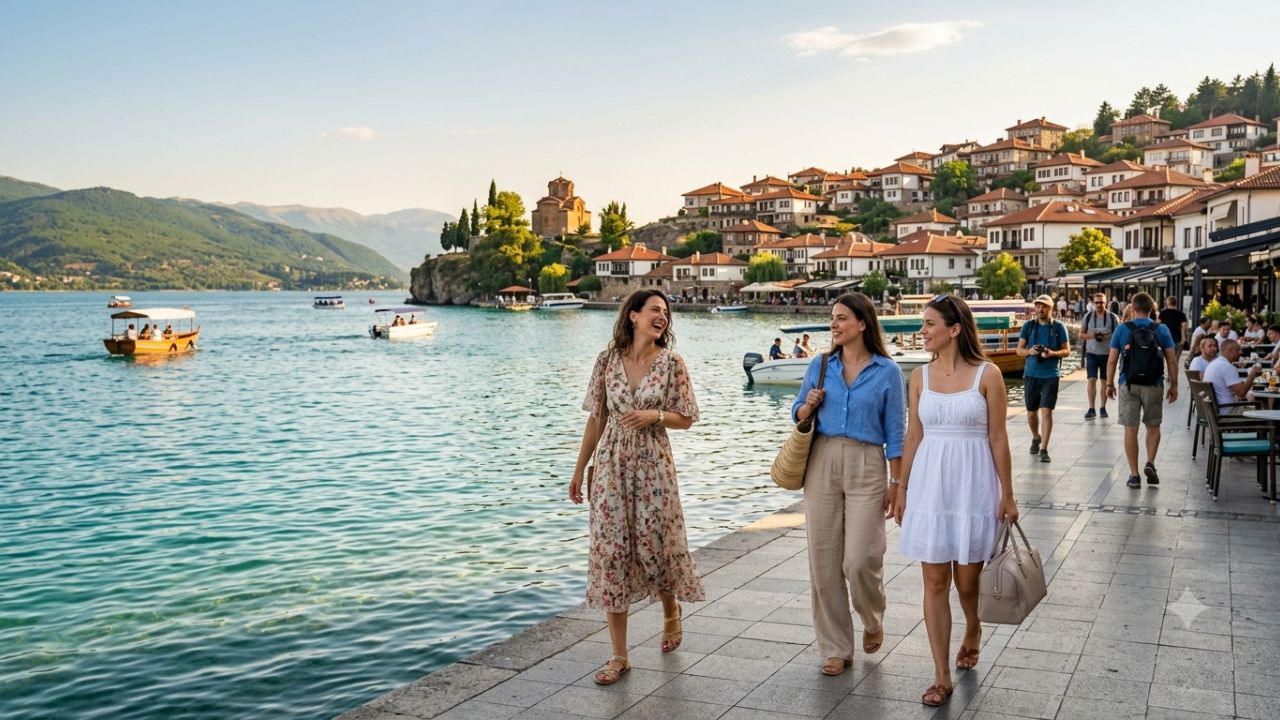
European capitals and tourist destinations enforce strict caps on short-term holiday rentals to safeguard residential housing.
LJUBLJANA, Slovenia — European governments are enforcing unprecedented regulatory restrictions on short-term holiday rentals like Airbnb, as nations including Slovenia, the Netherlands, Spain, and France move to safeguard local housing markets and manage overtourism pressures.
Backed by a proposed European Commission framework enabling municipal authorities to restrict tourist rentals in housing-stressed urban zones, major European destinations are prioritizing residential stability. From new municipal controls in Ljubljana to Barcelona’s plan to phase out tourist apartment licenses, the regulatory shift is redefining accommodation availability across the continent.
European Union Proposes Common Short-Term Rental Framework
The European Commission has introduced a regulatory framework empowering local governments to restrict short-term holiday accommodations in cities facing acute housing shortages. Under the proposed guidelines, municipal authorities can enact targeted rental bans or cap license issuances based on local housing affordability metrics, rent price surges, and residential supply ratios.
Rather than imposing blanket continental bans, the EU framework requires restrictions to be evidence-based, transparent, and specifically targeted at high-pressure tourist districts.
Overview of European Short-Term Rental Regulations
| Country | Key Impact Destinations | Primary Regulatory & Legal Measures |
|---|---|---|
| Slovenia | Ljubljana, Lake Bled, Julian Alps, Adriatic Coast | Municipal powers to restrict short-term rental permits in tourist zones |
| Netherlands | Amsterdam and major metropolitan areas | Strict annual rental-day caps, mandatory registration, primary-home rules |
| Spain | Barcelona, Balearic Islands (Mallorca, Ibiza), Madrid | Phasing out tourist apartment licenses; freezing new short-term permits |
| France | Paris, Nice, coastal resorts | Mandatory municipal registration, annual night caps, tax incentive revisions |
| Portugal | Lisbon, Porto, coastal tourist zones | Freeze on new tourist rental licenses in saturated urban neighborhoods |
| Italy | Florence, Venice, Rome | Historic center protections, bans on new short-term rental registrations |
| Greece | Athens, Santorini, Mykonos | Restrictions on new short-term rental permits in high-density areas |
| Germany | Berlin | Permit requirements and strict enforcement against residential conversion |
| Belgium | Brussels | Municipal oversight regulating conversion of apartments into tourist units |
Country-by-Country Breakdown of Holiday Rental Controls
1. Slovenia Strengthens Municipal Oversight
Slovenia has granted expanded regulatory powers to municipal councils in response to rising visitor numbers across Ljubljana, Lake Bled, the Julian Alps, and coastal towns. Local authorities are now authorized to cap the maximum number of days a property can operate as a tourist rental annually and establish designated zones where commercial holiday rentals are prohibited.
2. The Netherlands and Amsterdam's Regulatory Model
Amsterdam continues to operate one of Europe's strictest holiday rental frameworks. The city mandates primary-residence occupancy for hosts, enforces strict annual caps on rental nights, and requires mandatory municipal registration numbers on all online listings.
3. Spain Advances Phased Bans in Barcelona and Islands
In Spain, Barcelona has announced plans to phase out all existing tourist apartment licenses in coming years to return residential stock to the long-term housing market. Simultaneously, the Balearic Islands—including Mallorca and Ibiza—have frozen new rental permits to preserve housing affordability for local hospitality workers.
4. France Reforms Tax Benefits and Municipal Registration
France has strengthened local council authorities through updated legislation governing furnished holiday rentals. In Paris and coastal municipalities, property owners face strict registration requirements, lowered annual rental caps for primary homes, and the removal of historical tax advantages for short-term holiday lets.
5. Italy and Portugal Protect Historic City Centers
In Italy, municipal authorities in Florence and Venice have introduced freezes on new short-term rental registrations within designated historic centers to curb resident displacement. Similarly, Portugal has restricted new Alojamento Local (short-term rental) licenses across Lisbon and Porto.
Key City Measures & Regulatory Targets
| European City | Active Restriction Standard | Target Policy Objective |
|---|---|---|
| Amsterdam | Strict annual night caps & primary-residence rule | Prevent residential displacement & curb urban congestion |
| Barcelona | Full phase-out plan for tourist apartment licenses | Revert short-term properties back to long-term housing |
| Paris | Registration requirements & lowered night caps | Limit commercial holiday lets in residential districts |
| Florence & Venice | Freeze on new historic-center rental permits | Protect historic center cultural identity & local housing |
Impact on Travelers and the Future of European Tourism
The expanding regulatory landscape will influence how international tourists plan European vacations:
- Accommodation Shifts: Travelers will see fewer independent residential listings in city centers, driving higher demand toward licensed hotels, boutique inns, and official holiday apartments.
- Pricing Dynamics: Reduced short-term rental supply in major capitals during peak summer periods is expected to push up average daily hotel room rates.
- Geographic Dispersion: Strict urban caps are encouraging travelers to explore secondary cities, rural regions, and lesser-known destinations where short-term rental inventory remains accessible.
Frequently Asked Questions
Why are European countries restricting Airbnb and short-term rentals?
European governments are enacting restrictions to combat urban housing shortages, lower long-term residential rental prices, prevent resident displacement, and manage overtourism in historic city centers.
What is the European Commission's role in the new rules?
The European Commission proposed a framework allowing municipal authorities to impose targeted restrictions on short-term rentals based on local housing pressure metrics and rent affordability data.
How is Barcelona regulating short-term tourist rentals?
Barcelona has announced a plan to phase out tourist apartment licenses in the coming years, intending to return thousands of residential properties to the long-term rental market.
How will these regulations affect international travelers visiting Europe?
Travelers may encounter fewer short-term rental listings in major city centers, higher accommodation prices during peak seasons, and a shift toward traditional hotels and licensed accommodations.
Related Travel Guides
- North Macedonia Foreign Tourist Arrivals Rise 5% in July 2026
- France Regional Natural Parks Drive Sustainable Tourism Growth
- US Tourism State Recovery Campaigns Target 20% Canadian Visitor Drop
Disclaimer
This article is for informational and educational purposes only. It does not constitute legal, financial, or professional advice. While we strive to provide accurate and up-to-date information, travel policies, regulations, and conditions change rapidly. Always verify information with official sources before making travel decisions. Nomad Lawyer makes no representations about the accuracy, reliability, completeness, or suitability of the information provided. Readers should consult qualified professionals for advice specific to their circumstances. The views expressed in this article are those of the author and do not necessarily reflect the views of Nomad Lawyer.
Kunal K Choudhary
Co-Founder & Contributor
A passionate traveller and tech enthusiast. Kunal contributes to the vision and growth of Nomad Lawyer, bringing fresh perspectives and driving the community forward.
Learn more about our team →