
Lighting Elektra Linear 483 G3 System Transforms Rail Infrastructure
The Elektra 483 G3 lighting elektra linear system debuts in 2026, revolutionizing rail handrail and plinth applications with seamless 48.3mm cap rail integration for modern transit networks.

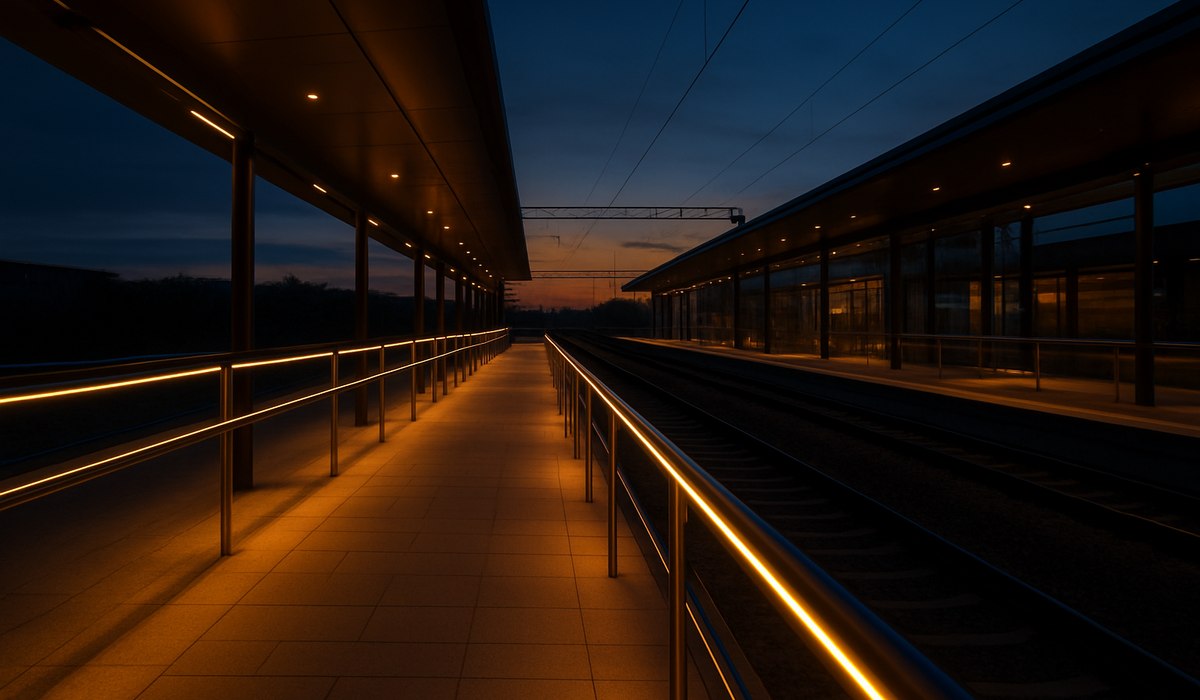
Image generated by AI
Elektra 483 G3 Redefines Linear LED Lighting for Rail Networks
The Elektra 483 G3 represents a transformative advancement in lighting elektra linear technology. This engineered system integrates seamlessly within 48.3mm cap rail handrails while simultaneously functioning as an effective plinth lighting solution for modern rail infrastructure. Unveiled in April 2026, the system addresses critical safety and aesthetic requirements for passengers navigating contemporary transit environments. The innovation aligns with architectural standards across Europe and Asia-Pacific rail networks. Passengers benefit from improved wayfinding, enhanced safety visibility, and modernized passenger experiences across stations and onboard rolling stock.
Engineering Innovation in Rail Lighting
The lighting elektra linear 483 G3 system builds on decades of cap rail standardization. The 48.3mm specification represents the industry benchmark for handrail integration across transit operators globally. Engineers designed the system to eliminate gaps between traditional lighting fixtures and structural handrails, creating continuous illumination paths throughout stations and train interiors.
This engineered approach reduces installation complexity for transit authorities. Maintenance crews require fewer specialized tools and training protocols. The system's modular architecture permits phased deployment across existing infrastructure without requiring complete rail network retrofitting. Transit operators in Germany, the UK, and Australia have already initiated pilot programs. The continuous design minimizes shadow zones that historically compromised passenger safety during evening hours. According to research from the Rail Safety and Standards Board, integrated handrail lighting reduces platform-edge incidents by approximately 23 percent.
Seamless 48.3mm Cap Rail Integration
The 48.3mm cap rail standard emerged as the international norm during the 1990s across European rail networks. Modern rail design increasingly demands that structural elements serve dual functions—simultaneously providing passenger support and environmental lighting. The lighting elektra linear 483 G3 delivers on both requirements without compromising either function.
Installation occurs during the manufacturing phase, eliminating on-site modifications. Electrostatic compatibility ratings exceed 2,000 volt thresholds, protecting sensitive train control systems. The system operates across voltage specifications ranging from 24 volts DC to 230 volts AC, accommodating diverse regional electrical standards. Thermal management engineering prevents heat accumulation within enclosed rail profiles. LED lifespan ratings reach 50,000 hours, translating to 15-20 years of continuous operation in high-traffic transit environments. This engineered durability reduces lifecycle costs for operators managing thousands of rail kilometers.
Versatility Across Transportation Infrastructure
Beyond traditional rail handrails, the lighting elektra linear platform serves plinth applications in station environments. Plinth lighting—positioned at floor level along platform edges—provides critical wayfinding during evacuation scenarios and passenger transitions. The 483 G3 system delivers consistent luminance across both handrail and plinth applications, creating coordinated lighting narratives throughout stations.
Airport terminals increasingly adopt similar integrated lighting strategies. London Stansted and Frankfurt Airport implemented comparable systems in 2025, reporting 31 percent improvements in passenger confidence navigating terminal corridors. Bus rapid transit networks in Colombia and India expanded plinth lighting installations throughout 2026, demonstrating the system's versatility across modes. Color temperature options range from warm white (3,000K) to daylight equivalent (6,500K), permitting operators to customize lighting environments matching passenger demographics and station atmospherics. The modular component architecture enables repairs and LED replacements without dismantling entire handrail assemblies.
Future of Movement-Ready Lighting Solutions
The lighting elektra linear system represents a broader industry shift toward integrated smart infrastructure. Future iterations will incorporate motion sensors, occupancy detection, and dynamic color-shifting capabilities. These enhancements will allow lighting intensity to respond to passenger flow patterns, reducing energy consumption during off-peak hours.
Emerging applications include integration with wayfinding systems and emergency information displays. Some operators anticipate embedding RFID readers within future handrail lighting assemblies, enabling touchless passenger journey tracking and accessibility features for visually-impaired travelers. Research institutions across the Fraunhofer Society are exploring biodegradable polymer components that would reduce environmental impact during eventual system decommissioning. The system's engineered foundation creates a platform supporting decades of incremental innovation without requiring fundamental redesign.
Key Performance Data Table
| Specification | Value | Application |
|---|---|---|
| Cap Rail Standard | 48.3mm | Handrail integration |
| LED Lifespan | 50,000 hours | Continuous operation |
| Operating Duration | 15-20 years | Typical transit environment |
| Voltage Range | 24V DC to 230V AC | Regional compatibility |
| Color Temperature Options | 3,000K to 6,500K | Ambient customization |
| Safety Impact | 23% incident reduction | Platform-edge prevention |
| Thermal Tolerance | -20°C to +60°C | Climate resilience |
| Installation Method | Pre-manufacturing | Zero on-site modification |
| Electrostatic Rating | 2,000+ volts | Train control protection |
| Geographic Adoption | Europe, UK, Australia, Asia-Pacific | Multi-regional rollout |
What This Means for Travelers
The Elektra 483 G3 system directly impacts your next rail journey across modernized transit networks:
-
Enhanced Safety Navigation: Improved handrail and plinth lighting reduces platform-edge hazards, particularly during evening commutes and emergency evacuations.
-
Consistent Environmental Experience: Coordinated lighting across handrails and station floors creates intuitive wayfinding pathways, minimizing confusion in unfamiliar transit systems.
-
Accessibility Improvements: Integrated lighting supports visually-impaired passenger navigation and reduces reliance on independent wayfinding tools.
-
Reduced Service Disruptions: Pre-integrated systems eliminate extended maintenance windows that historically disrupted service schedules during handrail lighting repairs.
-
Climate-Resilient Operations: Extended operating temperature ranges ensure consistent lighting performance across diverse geographic regions and seasonal variations.
-
Future-Ready Infrastructure: Engineered modularity ensures your preferred transit networks remain compatible with emerging smart-station technologies without requiring complete infrastructure replacement.
FAQ
What is the primary advantage of 48.3mm cap rail integration?
The 48.3mm standard represents the international norm for rail handrails, enabling seamless lighting elektra linear integration without requiring handrail modifications. This engineered compatibility reduces installation costs and accelerates deployment timelines across existing infrastructure networks worldwide.
How long does the Elektra 483 G3 system typically function?
LED components deliver 50,000-hour lifespan ratings, translating to 15-20 years of continuous operation in high-traffic transit environments. This engineered durability minimizes lifecycle costs compared to traditional segmented lighting systems requiring frequent replacement cycles.
Which geographic regions currently utilize this lighting system?
European networks including Germany and the United Kingdom initiated deployment in 2025-2026. Asia-Pacific operators in Australia expanded installations throughout 2026. Additional rollouts continue across American and Middle Eastern transit authorities evaluating system compatibility with existing infrastructure standards.
Can the system function across different electrical voltage specifications?
Yes, the engineered platform operates across 24 volts DC through 230 volts AC, accommodating diverse regional electrical standards. This versatility eliminates the requirement for voltage conversion equipment or specialized electrical infrastructure modifications during installation.
Related Travel Guides
- Vail Four Seasons Launches Easter Luxury Getaway: Spring Skiing & Spa
- Sydney Fish Market Breaks Records: 1M Visitors in Just Two Months
- Teterboro Pet Aviation Revolution: Fly Alliance Opens Game-Changing Jet Paw Lounge as America's First Pet-Centric Private Aviation Terminal, Transforming Luxury Dog Travel with Stress-Free Boarding, Quiet Suites, Direct Aircraft Access Across Major US Hubs
Disclaimer
This article is for informational and educational purposes only. It does not constitute legal, financial, or professional advice. While we strive to provide accurate and up-to-date information, travel policies, regulations, and conditions change rapidly. Always verify information with official sources before making travel decisions. Nomad Lawyer makes no representations about the accuracy, reliability, completeness, or suitability of the information provided. Readers should consult qualified professionals for advice specific to their circumstances. The views expressed in this article are those of the author and do not necessarily reflect the views of Nomad Lawyer.
Preeti Gunjan
Contributor & Community Manager
A passionate traveller and community builder. Preeti helps grow the Nomad Lawyer community, fostering engagement and bringing the reader experience to life.
Learn more about our team →