
Cross-Border Surge: How Guatemala and El Salvador Are Redefining Central American Tourism in 2026

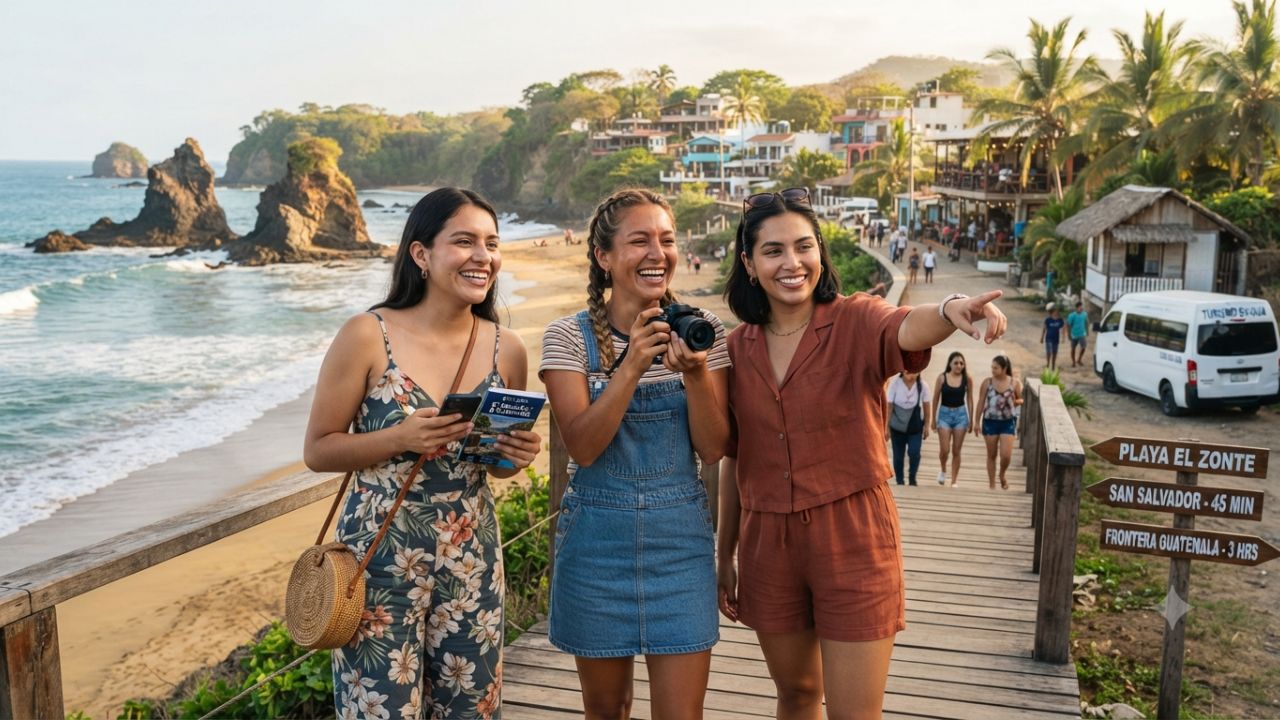
Guatemalan travelers drove 31% of El Salvador's 1.6 million international arrivals through May 2025, establishing cross-border regional journeys as the primary economic engine of Central American tourism. Rather than relying exclusively on long-haul flights from North America and Europe, the region is experiencing a structural boom powered by neighboring road trips, simplified border transit, and surging digital interest in heritage and coastal destinations.
According to joint research conducted by Amadeus and UN Tourism, passenger demand across Central America expanded 3.1% year-on-year between July 2024 and June 2025. While Costa Rica maintained the highest overall volume of travel searches, El Salvador climbed to second place across the entire isthmus. Flight search activity for San Salvador surged 31%, while Guatemala City recorded a 27% increase, signaling sustained momentum for multi-destination regional itineraries.
The Dynamics of Bilateral Travel Between Guatemala and El Salvador
The rapid expansion of bilateral tourism stems from geographic proximity, shared transit treaties, and complementary travel attractions. Under the Central America-4 (CA-4) border control agreement, citizens of Guatemala and El Salvador can cross shared land borders using national identity documents or valid passports without costly visa processing. This regulatory ease allows families, weekenders, and adventure travelers to move fluidly between Guatemala City's metropolitan area and El Salvador's Pacific coastline.
Official records from El Salvador's Ministry of Tourism illustrate this sustained trajectory. In 2024, El Salvador welcomed nearly four million international visitors, with travelers from Guatemala representing approximately 26% of that total. By early 2025, that market share expanded to 31%, making Guatemala the second-largest inbound tourism source for the country.
In June 2025, the tourism authorities of both nations formalized a strategic bilateral tourism alliance. This public-private initiative was designed to coordinate cross-border marketing, synchronize ground transportation schedules, and facilitate commercial exchanges between tour operators, ensuring that overseas travelers can combine visits to UNESCO World Heritage sites in Guatemala with El Salvador's expanding coastal circuits.
Key Performance Indicators: Central American Tourism Momentum
The integration of arrival metrics and digital travel search data highlights how cross-border routes are outpacing traditional single-country bookings.
| Tourism & Search Metric | Recorded Benchmark | Context & Significance |
|---|---|---|
| El Salvador Total Inbound Visitors (2024) | Nearly 4.0 million | Record annual baseline for international arrivals |
| Guatemala Visitor Share (2024) | 26% of total | First full year establishing Guatemala as a premier source |
| El Salvador Inbound Visitors (Jan–May 2025) | 1.6 million | Continued acceleration in regional entry figures |
| Guatemala Visitor Share (Jan–May 2025) | 31% of total | Solidified as the country's second-largest inbound market |
| Central America Passenger Demand Growth | +3.1% YoY | Amadeus / UN Tourism data (July 2024 – June 2025) |
| San Salvador Digital Search Growth | +31% YoY | Second-highest regional growth in booking inquiries |
| Guatemala City Digital Search Growth | +27% YoY | Strong upward search trend for urban and cultural transit |
| Quepos (Costa Rica) Booking Spike | +278% YoY | Demonstrates intense regional appetite for eco-tourism |
| Drake Bay (Costa Rica) Booking Spike | +241% YoY | Highlights rapid expansion of remote nature travel |
| Puerto Jiménez Booking Spike | +120% YoY | Reinforces the broader Central American biodiversity corridor |
Primary Circuits Fueling Cross-Border Exploration
The geographic diversity within El Salvador allows Guatemalan visitors to explore varied itineraries across single extended weekends. Data from national tourism boards outlines several high-demand corridors:
- Pacific Coast and Surf Enclaves: Coastal hubs including Puerto de La Libertad, El Tunco, El Zonte, Los Cóbanos, and Barra de Santiago attract ocean lovers, weekend surfers, and resort vacationers seeking world-class Pacific breaks within a four-hour drive of the border.
- Cultural and High-Altitude Routes: The mountainous Ruta de Las Flores—encompassing coffee-growing municipalities like Juayúa, Apaneca, and Ataco—serves as a primary cool-climate retreat featuring culinary fairs and artisan markets.
- Urban Heritage and Historic Restoration: San Salvador's Historic Centre has witnessed substantial visitor growth following extensive urban renewal, attracting cultural travelers to the National Palace and Plaza Libertad.
- Volcanic Lakes and Eastern Coastlines: Inland destinations like Lake Ilopango and the rugged coastal bays of La Unión draw travelers combining water recreation with views across the Gulf of Fonseca.
Visitor Insider Tips for Cross-Border Travel
Navigating the Guatemala-El Salvador corridor requires local transit awareness and itinerary planning.
- Select the Right Border Crossing: The Las Chinamas border crossing offers the most direct access toward Ahuachapán and the Ruta de Las Flores, whereas the San Cristóbal crossing is often preferred for commercial buses heading directly into Santa Ana and San Salvador. For coastal access toward Barra de Santiago, the La Hachadura post is optimal.
- Plan Peak Weekend Crossings Early: Border processing queues peak on Friday afternoons and Sunday evenings. Crossing before 07:30 or between 12:00 and 14:00 minimizes wait times at immigration booths.
- Currency and Payment Realities: El Salvador operates on the US Dollar alongside digital payment systems, whereas Guatemala uses the Guatemalan Quetzal (GTQ). While credit cards are widely accepted in San Salvador and major surf hotels, carrying small-denomination US cash is necessary for rural toll booths, artisan markets, and roadside pupuserías.
- Leverage Multi-Destination Coach Services: Express international bus carriers like Platinum Centroamérica and Pullmantur offer direct, air-conditioned transfers connecting Zona 10 in Guatemala City with San Salvador's San Benito district, eliminating the complexities of self-driving through border checks.
Cultural and Environmental Context of Regional Tourism Integration
The rapid growth of cross-border tourism is reshaping community economics across Western El Salvador and Southern Guatemala. In rural coffee-producing regions along the Apaneca-Ilamatepec mountain range, family-owned coffee fincas and indigenous artisan cooperatives now receive consistent weekend patronage from neighboring Guatemalans, reducing economic dependence on seasonal agricultural cycles.
Environmental stewardship along the Pacific coast is equally significant. At Barra de Santiago and Los Cóbanos Marine National Park, local conservation teams and tourism cooperatives work to protect vital mangrove estuaries and sea turtle nesting sites. As visitor counts expand, local community organizations emphasize sustainable boat touring practices and waste reduction initiatives to preserve fragile coastal ecosystems against over-commercialization.
Simultaneously, the strengthening of multi-destination travel allows international long-haul visitors to combine Guatemala's rich Mayan archaeological heritage in Antigua and Lake Atitlán with El Salvador's volcanic trails and Pacific surfing within a single cohesive ten-day trip.
FAQ: Traveling Between Guatemala and El Salvador in 2026
What documents do international travelers need to cross the land border?
International visitors need a valid passport. Citizens of CA-4 nations (Guatemala, El Salvador, Honduras, Nicaragua) may cross using their national national identity cards.
How long does it take to drive from Guatemala City to San Salvador?
The drive typically takes between four and five hours depending on customs processing times at the Las Chinamas or San Cristóbal border crossings.
Is it easy to combine surfing in El Salvador with cultural trips in Guatemala?
Yes. Direct coach routes and private shuttles connect Antigua, Guatemala directly with El Tunco and El Zonte on El Salvador's Pacific coast in approximately five to six hours.
What is the best season to explore the Ruta de Las Flores?
November through February offers dry weather, blooming wildflowers, cool mountain breezes, and weekend food festivals in Juayúa and Ataco.
Central America's greatest travel evolution is taking place on the ground, where open borders and shared heritage turn neighboring countries into a single grand adventure.
Related Travel Guides
Disclaimer
This article is for informational and educational purposes only. It does not constitute legal, financial, or professional advice. While we strive to provide accurate and up-to-date information, travel policies, regulations, and conditions change rapidly. Always verify information with official sources before making travel decisions. Nomad Lawyer makes no representations about the accuracy, reliability, completeness, or suitability of the information provided. Readers should consult qualified professionals for advice specific to their circumstances. The views expressed in this article are those of the author and do not necessarily reflect the views of Nomad Lawyer.
Naina Thakur
Contributor & Travel Specialist
Travel enthusiast and legal writer covering visa regulations, responsible tourism, and cultural journeys across global destinations.
Learn more about our team →