El Salvador Hosts Second Latin American Traditional and Ancestral Cooking Congress in San Salvador 2026

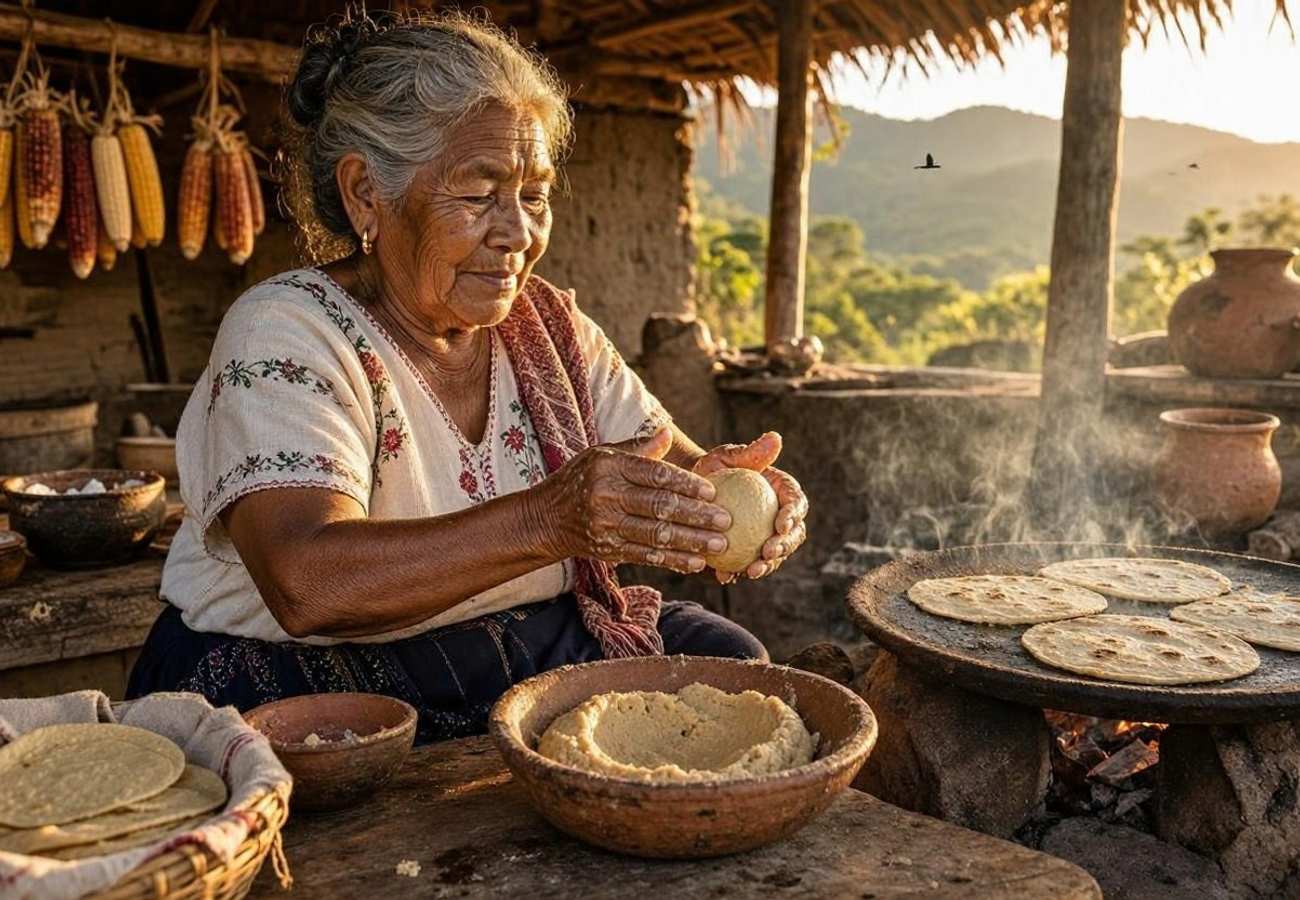
Image generated by AI
Four consecutive days of culinary diplomacy begin on November 5, 2026, as San Salvador transforms into the epicenter of regional food heritage. The Second Latin American Congress of Traditional and Ancestral Cooks (Segundo Congreso Latinoamericano de Cocineras y Cocineros Tradicionales y Ancestrales) is designed to shift the focus of gastronomic tourism from commercial dining to the preservation of ancestral knowledge and community-led food systems.
The Shift Toward Ancestral Gastronomy in San Salvador
While standard food tourism often prioritizes high-end restaurants and curated tasting menus, this congress targets "ancestral gastronomy." This distinction is vital for the traveler; it moves the experience from a passive meal to an active exploration of how indigenous ingredients and inherited preparation methods define national identity.
The event is hosted in San Salvador and utilizes K’óoben as the primary location reference and organizing movement. By integrating this gathering into the national tourism calendar, the government is attempting to commodify cultural authenticity—positioning the act of traditional cooking as a primary draw for international visitors. For those tracking the evolution of Central American travel, this represents a strategic move to diversify the tourism product beyond beach resorts and urban centers.
Event Logistics and Participation Data
The official government disclosures provided by El Salvador Travel maintain a strict focus on the event's timing and location, though they remain opaque regarding the specific scale of international attendance.
Official Event Specifications
| Category | Detail |
|---|---|
| Event Name | Second Latin American Congress of Traditional and Ancestral Cooks |
| Spanish Title | Segundo Congreso Latinoamericano de Cocineras y Cocineros Tradicionales y Ancestrales |
| Host City | San Salvador, El Salvador |
| Venue Reference | K’óoben |
| Dates | November 5 to November 8, 2026 |
| Total Duration | 4 Calendar Days |
| Tourism Sector | Gastronomic and Cultural Tourism |
| Edition | Second |
Participation Verification Status
The scale of the event remains a point of contention for analysts. While internal movement data suggests a presence from eight nations—specifically El Salvador, Guatemala, Honduras, Nicaragua, Costa Rica, Mexico, Peru, and Colombia—these delegations have not been formally ratified in the official government tourism listing.
| Participation Metric | Status | Verification Source |
|---|---|---|
| Host Country/City | Confirmed | Official Tourism Calendar |
| Foreign Delegations | Unconfirmed | Non-Official Sources |
| Participating Regions | Not Disclosed | Official Tourism Calendar |
| Total Registered Cooks | Not Disclosed | Official Tourism Calendar |
| Projected Revenue | Not Disclosed | Official Tourism Calendar |
Expert Analysis: The Economics of Authenticity
For travelers and hospitality investors, the launch of this congress signals a broader trend in Latin American tourism: the "Experience Economy" is pivoting toward heritage. When a destination promotes "ancestral" cooking, it is not just selling food; it is selling a connection to a pre-colonial past.
The direct consequence for the traveler booking a trip to San Salvador during this window is a likely surge in demand for boutique accommodations and local transport services. However, because the government has not released projected hotel occupancy or visitor expenditure figures, the economic impact remains theoretical.
From a regulatory and legal perspective, the involvement of the K’óoben movement suggests a shift toward community-managed tourism. For the nomad or cultural traveler, this means that the most authentic experiences will likely happen outside of traditional hotel-managed tours and within community-led workshops. The pricing pressure created by such events typically leads to a short-term spike in local service costs, but it provides a long-term lift to the "brand equity" of the destination. To understand the broader regulatory framework of international travel standards during such events, travelers can refer to the World Tourism Organization (UNWTO).
Key Takeaways
- Event Window: The congress runs from November 5 to November 8, 2026, in San Salvador.
- Core Focus: The event prioritizes ancestral and traditional cooking over commercial gastronomy to preserve regional food heritage.
- Participation Gap: While eight Latin American countries are rumored to attend, official government confirmation of delegates is currently missing.
- Strategic Goal: El Salvador is using the event to reposition San Salvador as a hub for cultural exchange and gastronomic tourism.
- Traveler Impact: Visitors should expect a focus on community-based experiences and traditional staples like pupusas, tamales, and atol.
FAQ: San Salvador Culinary Congress 2026
What is the difference between traditional and ancestral cooking at this event? Traditional cooking refers to recipes passed through generations, while ancestral cooking focuses on the indigenous roots, ancient ingredients, and pre-colonial techniques that shaped the region's original food identity.
Which countries are confirmed to participate in the 2026 Congress? Officially, only El Salvador is confirmed as the host. While reports suggest delegations from Mexico, Peru, Colombia, and four other Central American nations, these have not been formally listed in the government calendar.
Where in San Salvador is the event taking place? The official tourism listing identifies "K’óoben" as the location reference and organizing movement for the four-day event.
Will there be specific dishes showcased during the congress? While the official program is not yet public, the event will highlight Salvadoran staples such as pupusas, yuca-based dishes, and atol as part of the broader Latin American ancestral food exchange.
The transition from plate to heritage marks El Salvador's latest bid for cultural dominance in Central American tourism.
Related Travel Guides
This article is for informational purposes. Flight routes, passenger regulations, visa rules, and transit advisories are subject to change by airlines and aviation authorities. Readers are advised to verify schedules and travel documentation with relevant carriers and border agencies before departure.
Related Stories

Qatar Joins PATA and Doha Named GCC Tourism Capital 2026: Logistics Guide for Asia-Pacific Travelers
US November 2026 Tourism Trends: Festive Festivals and Passenger Rights for Holiday Travel