
Edmonton Tourism Surge: Alberta Capital Blends Urban Culture and Wildlife to Drive Billions in 2026
Edmonton is redefining Alberta tourism by integrating the North Saskatchewan River Valley, West Edmonton Mall, and Elk Island National Park into a high-value city break destination.

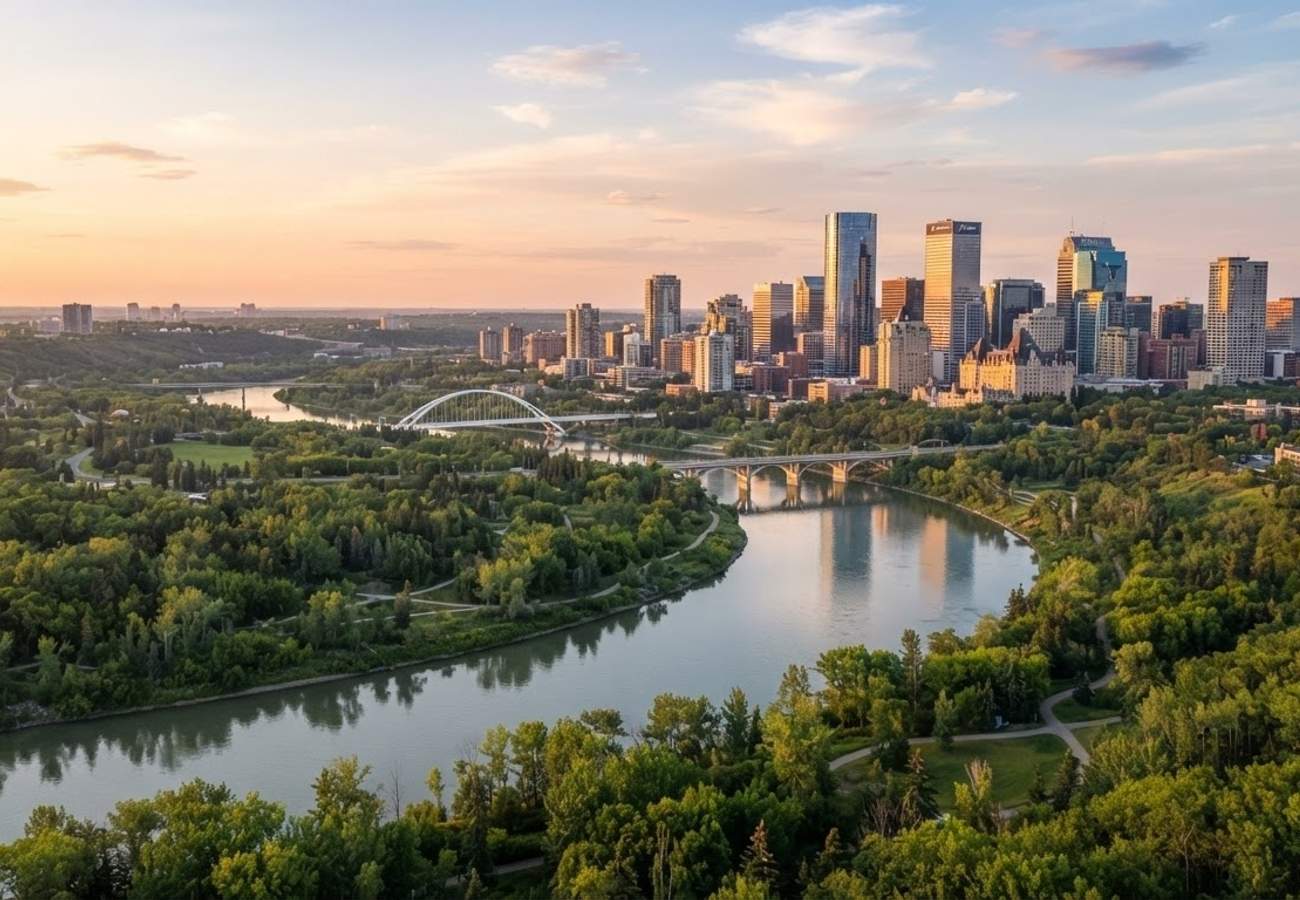
Image generated by AI
Edmonton is transforming its global image from a mere transit point for the Rocky Mountains into a primary destination, leveraging a multi-billion dollar tourism economy fueled by urban wilderness and world-class attractions.
For decades, the Alberta capital served primarily as a logistical hub for business travelers or a jumping-off point for those heading west. However, recent data and infrastructure shifts indicate a pivot toward a comprehensive "city break" model. By synthesizing high-energy urban entertainment with expansive natural preserves, the city is successfully capturing a broader demographic of international and domestic visitors.
North Saskatchewan River Valley Redefines Urban Exploration
The core of Edmonton's appeal lies in its integration of nature within the city limits. The North Saskatchewan River Valley serves as the city's ecological heart, providing a massive, connected park system that allows travelers to transition from downtown skyscrapers to wilderness trails in minutes.
This corridor is not merely a scenic backdrop but a functional tourism asset. The valley offers a diverse array of activities that shift with the Canadian seasons:
- Summer: Extensive cycling routes, canoeing, and riverside hiking.
- Autumn: Foliage viewing and nature photography.
- Winter: Specialized infrastructure for skiing, snowshoeing, and skating.
For the modern traveler, this means the ability to balance a high-paced city itinerary with mental wellness and outdoor recreation without the need for long-distance commutes.
West Edmonton Mall as a Strategic Weather Shield
While the river valley draws nature lovers, West Edmonton Mall continues to act as a primary economic engine and a critical "all-weather" insurance policy for the city's tourism sector. As Canada's largest mall, the facility transcends traditional retail, functioning as a self-contained resort.
The complex integrates a massive waterpark, a full-scale aquarium, and a hotel alongside more than 800 retail outlets. From a logistical standpoint, this provides a controlled environment that protects visitor spending from the volatility of Alberta's winter weather. Families can engage in a full day of entertainment regardless of external temperatures, making Edmonton a viable year-round destination rather than a seasonal curiosity.
Historical and Botanical Landmarks in the River Valley
Beyond the retail scale of the mall, Edmonton utilizes its river valley to host educational and aesthetic landmarks. The Muttart Conservatory, characterized by its iconic glass pyramids, houses one of the largest indoor botanical collections in Canada. This site serves as a key attraction for eco-tourists and families seeking a tranquil environment.
Complementing the botanical experience is Fort Edmonton Park. This living-history museum utilizes the river valley landscape to recreate over a century of the city's evolution. By offering interactive historical exhibits, the park transforms a standard sightseeing trip into an educational journey, encouraging longer average stays for visitors.
Old Strathcona and the Creative Economy of Whyte Avenue
The district of Old Strathcona represents the city's independent spirit. Centered around Whyte Avenue, this neighborhood is a hub for the arts, featuring a dense concentration of theaters, galleries, and boutique cafes.
A primary draw for the "slow travel" movement is the Old Strathcona Farmers’ Market. Operating every weekend throughout the year, the market connects tourists directly with local producers and artisans, offering an authentic taste of the region's culinary landscape. To bridge the gap between the central business district and this creative enclave, the High Level Bridge Streetcar provides a heritage-focused transit experience, offering panoramic views of the city's layout.
Integrating Indigenous Perspectives and Treaty 6 Heritage
Edmonton is situated within Treaty 6 territory and the ancestral homelands of the Métis Nation. There is a growing movement within the city's tourism framework to prioritize Indigenous-led experiences.
Visitors are increasingly encouraged to engage with First Nations and Métis perspectives through guided tours, art installations, and cultural programs. Fort Edmonton Park’s Indigenous Peoples Experience serves as a foundational entry point, but the broader region is seeing a rise in independent, locally rooted businesses that offer authentic cultural immersion. For the conscious traveler, this adds a layer of social and historical depth to the visit.
Proximity to Elk Island National Park Wildlife
One of Edmonton's most significant competitive advantages is its proximity to Elk Island National Park. Located within a one-hour drive of the city center, the park offers a stark contrast to the urban environment.
The park is a sanctuary for bison, elk, and diverse avian species across aspen woodlands and prairies. The ability to combine a visit to a world-famous mall with a wildlife safari in a national park within a single 48-hour window is a rarity among North American cities, providing a unique value proposition for nature-centric travelers.
Economic Impact and the "Festival City" Phenomenon
Edmonton has earned the moniker "Canada’s Festival City," hosting over 50 major events annually. These range from folk music and theater festivals to large-scale sporting events, ensuring a constant stream of visitors throughout the calendar year.
The financial data underscores the success of this strategy. In 2025, visitors spent $2.6 billion within the Edmonton region. Additionally, the city's venues and events contributed an estimated $508 million in direct economic impact.
Aviation Recovery and Passenger Growth
The growth of the tourism sector is mirrored by the recovery of air travel. Edmonton International Airport reported handling 8.14 million passengers in 2025, nearly matching its 2019 peak of 8.15 million. This stability in passenger volume confirms that the city is once again accessible to a global audience, with robust links to the United States and other international markets.
Edmonton is no longer just a stopover; it is a destination where urban luxury and rugged wilderness coexist.
Related Travel Guides
Disclaimer
This article is for informational and educational purposes only. It does not constitute legal, financial, or professional advice. While we strive to provide accurate and up-to-date information, travel policies, regulations, and conditions change rapidly. Always verify information with official sources before making travel decisions. Nomad Lawyer makes no representations about the accuracy, reliability, completeness, or suitability of the information provided. Readers should consult qualified professionals for advice specific to their circumstances. The views expressed in this article are those of the author and do not necessarily reflect the views of Nomad Lawyer.
Kunal K Choudhary
Co-Founder & Contributor
A passionate traveller and tech enthusiast. Kunal contributes to the vision and growth of Nomad Lawyer, bringing fresh perspectives and driving the community forward.
Learn more about our team →