
UK, Australia, and Canada Escalate Travel Advisories for UAE, Qatar, Bahrain, and Kuwait in 2026
Governments from the UK, Australia, and Canada have tightened travel warnings for key Gulf nations due to missile and drone threats, impacting aviation and regional tourism.

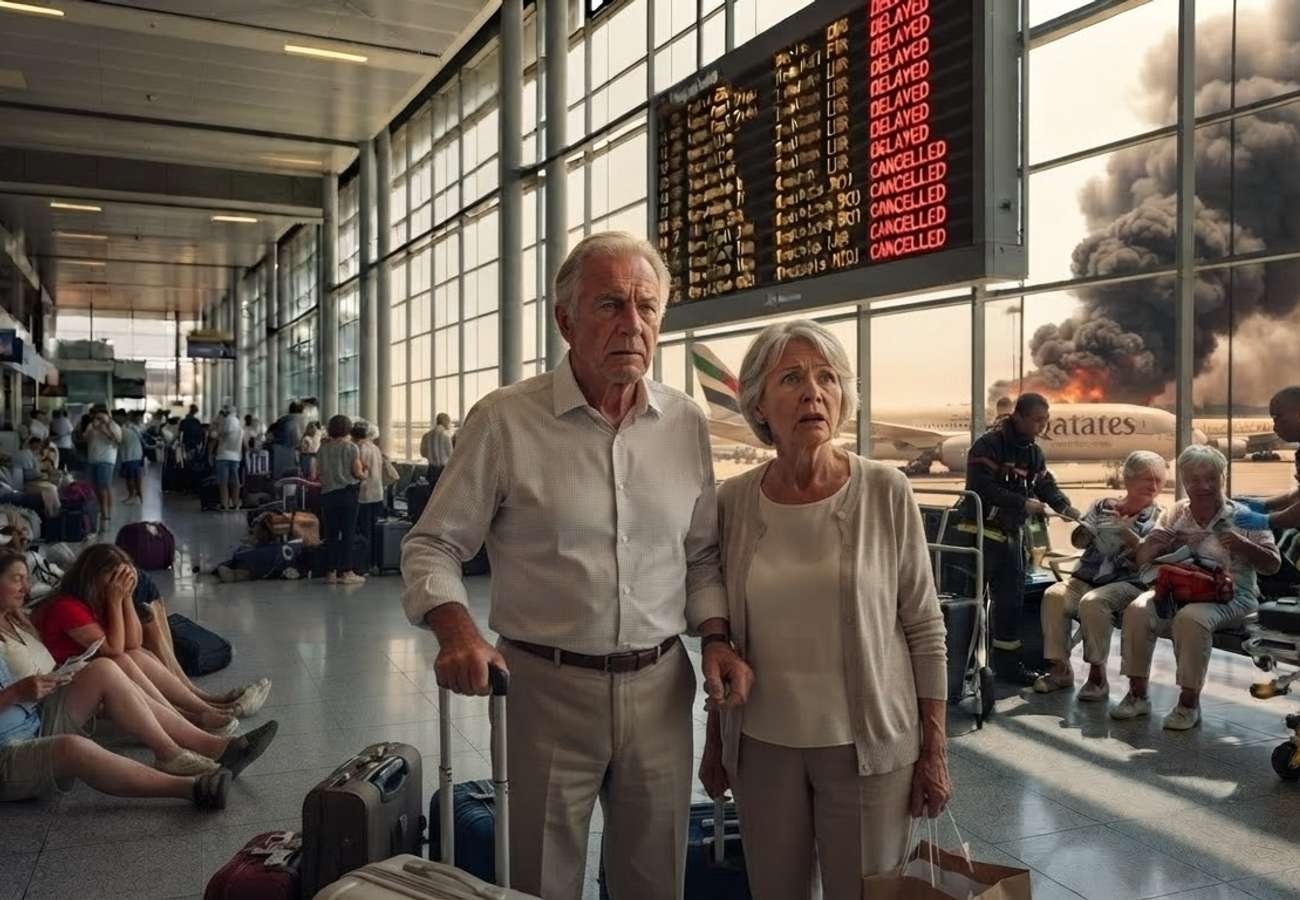
Image generated by AI
The geopolitical climate in West Asia has triggered a shift in international travel guidance. The United Kingdom, Australia, and Canada have officially strengthened their travel advisories for the United Arab Emirates, Qatar, Bahrain, and Kuwait. This escalation stems from an unpredictable security environment characterized by regional missile and drone threats.
While these nations are traditionally viewed as the Middle East's most stable transit and tourism hubs, the updated warnings signal a growing concern that regional conflicts could cause sudden disruptions to public safety and aviation networks.
Despite the heightened alerts, borders remain open and tourism infrastructure is functioning. The primary objective of these government updates is to ensure travelers maintain high vigilance rather than to trigger a total cessation of travel.
Strategic Drivers Behind Tightened Advisories
The decision by the UK’s Foreign, Commonwealth & Development Office (FCDO) and their counterparts in Australia and Canada follows several weeks of increased military activity. The volatility is marked by drone strikes, missile launches, and fluctuating airspace restrictions across West Asia.
Travelers currently in the Gulf are urged to:
- Maintain a high level of situational awareness.
- Strictly adhere to instructions provided by local government authorities.
- Avoid proximity to military installations, as these sites are considered potential targets during periods of intensified tension.
Impact on Gulf Tourism and Infrastructure
The Gulf tourism sector is currently operating normally, with major landmarks and luxury services remaining accessible. High-traffic destinations continue to welcome international visitors, though the nature of travel has shifted toward a requirement for greater flexibility.
In Dubai, the Burj Khalifa and Dubai Mall continue to operate at capacity. Doha remains a primary center for luxury travel and global sporting events. Similarly, Bahrain and Kuwait continue to facilitate both leisure and high-level business operations.
However, the "business as usual" facade masks an underlying operational risk. Travelers are now advised to confirm flight schedules immediately before departure to account for potential last-minute changes.
Aviation Risks in a Global Crossroads
The Gulf represents one of the most critical aviation corridors in the world. The stability of this region is vital for connecting Europe, Asia, Africa, and Oceania.
While commercial services persist, several international carriers have begun adjusting flight paths to bypass zones of military activity. This strategic rerouting often results in:
- Increased flight durations.
- Modified departure and arrival windows.
- Occasional cancellations based on real-time risk assessments.
The primary hubs affected by these monitoring efforts include Dubai International (DXB), Hamad International (DOH), Abu Dhabi Zayed International (AUH), Bahrain International (BAH), and Kuwait International (KWI).
Regional Destination Intelligence
For those continuing their travel plans, the following logistical data provides a snapshot of the primary hubs in the affected region.
United Arab Emirates: Dubai
- Primary Gateway: Dubai International Airport (DXB), located ~15 km from Downtown.
- Key Sites: Burj Khalifa (15 km), Dubai Mall (14 km), Museum of the Future (10 km), Palm Jumeirah (32 km).
- Transit: Direct Airport Terminal Metro connections.
- Hospitality: Le Méridien Dubai Hotel, Premier Inn Dubai International Airport, Holiday Inn Express Dubai Airport.
- Retail: Dubai Mall, Mall of the Emirates, Carrefour, Lulu Hypermarket, Spinneys.
Qatar: Doha
- Primary Gateway: Hamad International Airport, located ~14 km from central Doha.
- Key Sites: Souq Waqif (11 km), Museum of Islamic Art (10 km), The Pearl-Qatar (20 km).
- Hospitality: Mandarin Oriental Doha, Marriott Marquis City Centre, Fairmont Doha.
- Retail: Doha Festival City, Villaggio Mall, Carrefour, Monoprix.
Bahrain: Manama
- Primary Gateway: Bahrain International Airport, located ~7 km from central Manama.
- Key Sites: Bahrain National Museum (5 km), Bab Al Bahrain (2 km), The Avenues Bahrain (4 km).
- Hospitality: Four Seasons Bahrain Bay, Gulf Hotel Bahrain, The Ritz-Carlton Bahrain.
- Retail: City Centre Bahrain, The Avenues Bahrain, Lulu Hypermarket.
Kuwait: Kuwait City
- Primary Gateway: Kuwait International Airport, located ~16 km from Kuwait City.
- Key Sites: Kuwait Towers (5 km), Souq Al-Mubarakiya (2 km), Sheikh Jaber Al Ahmad Cultural Centre (3 km).
- Hospitality: Four Seasons Kuwait, Marriott Kuwait City, Jumeirah Messilah Beach Hotel.
- Retail: The Avenues Mall, 360 Mall, Sultan Centre.
Essential Guidance for Travelers
To mitigate risk and manage potential disruptions, travelers should adopt the following protocols:
- Verify Advisories: Check official government travel portals immediately before departure.
- Airline Monitoring: Enable real-time notifications for all flight segments.
- Zonal Awareness: Stay clear of military infrastructure and sensitive government sites.
- Documentation: Keep emergency contact numbers and embassy details accessible offline.
- Logistical Buffers: Allocate extra time for airport security and check-in procedures.
- Financial Protection: Utilize flexible hotel bookings and comprehensive travel insurance that specifically covers itinerary changes due to security events.
Summary of Regional Status
| Entity | Status | Primary Concern | Operational State |
|---|---|---|---|
| UAE | Open | Missile/Drone Threats | Normal / High Vigilance |
| Qatar | Open | Missile/Drone Threats | Normal / High Vigilance |
| Bahrain | Open | Missile/Drone Threats | Normal / High Vigilance |
| Kuwait | Open | Missile/Drone Threats | Normal / High Vigilance |
| Aviation Hubs | Operational | Airspace Restrictions | Rerouting in effect |
Key Takeaways
- Government Alerts: The UK, Australia, and Canada have heightened warnings for the UAE, Qatar, Bahrain, and Kuwait.
- Security Context: Risks are tied to regional missile and drone activity in West Asia.
- Tourism Status: Destinations remain open; hotels and attractions are functioning normally.
- Aviation Impact: Major hubs are operational, but airlines are adjusting routes for safety, potentially increasing flight times.
- Traveler Mandate: Flexibility and constant monitoring of official channels are now essential for those visiting the region.
FAQ
Are tourists still allowed to enter the UAE, Qatar, Bahrain, and Kuwait? Yes. All four nations remain open to international visitors, and their tourism infrastructure—including hotels and airports—remains fully operational.
Why were the travel advisories changed now? The updates are a response to escalating military tensions in West Asia, specifically the unpredictable risk associated with drone and missile threats.
Is it necessary to cancel existing travel plans? Official guidance suggests that travelers should remain informed and vigilant rather than automatically cancelling. The focus is on avoiding sensitive locations and monitoring airline updates.
Navigating the Gulf in 2026 requires a balance of confidence in the region's infrastructure and a cautious eye on the evolving geopolitical horizon.
Related Travel Guides
Disclaimer
This article is for informational and educational purposes only. It does not constitute legal, financial, or professional advice. While we strive to provide accurate and up-to-date information, travel policies, regulations, and conditions change rapidly. Always verify information with official sources before making travel decisions. Nomad Lawyer makes no representations about the accuracy, reliability, completeness, or suitability of the information provided. Readers should consult qualified professionals for advice specific to their circumstances. The views expressed in this article are those of the author and do not necessarily reflect the views of Nomad Lawyer.
Preeti Gunjan
Contributor & Community Manager
A passionate traveller and community builder. Preeti helps grow the Nomad Lawyer community, fostering engagement and bringing the reader experience to life.
Learn more about our team →