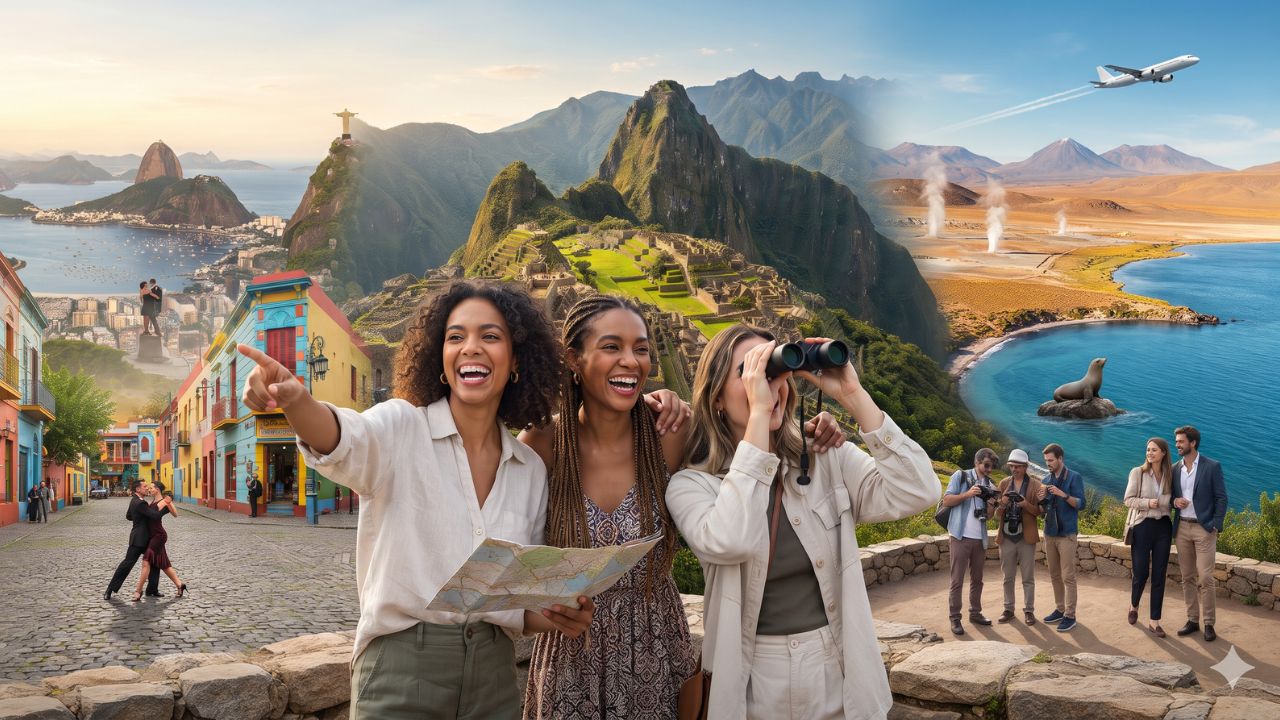
Navigating Ecuador in 2026: Why Quito and the Galápagos Remain Open and Secure Amid Targeted Regional Advisories

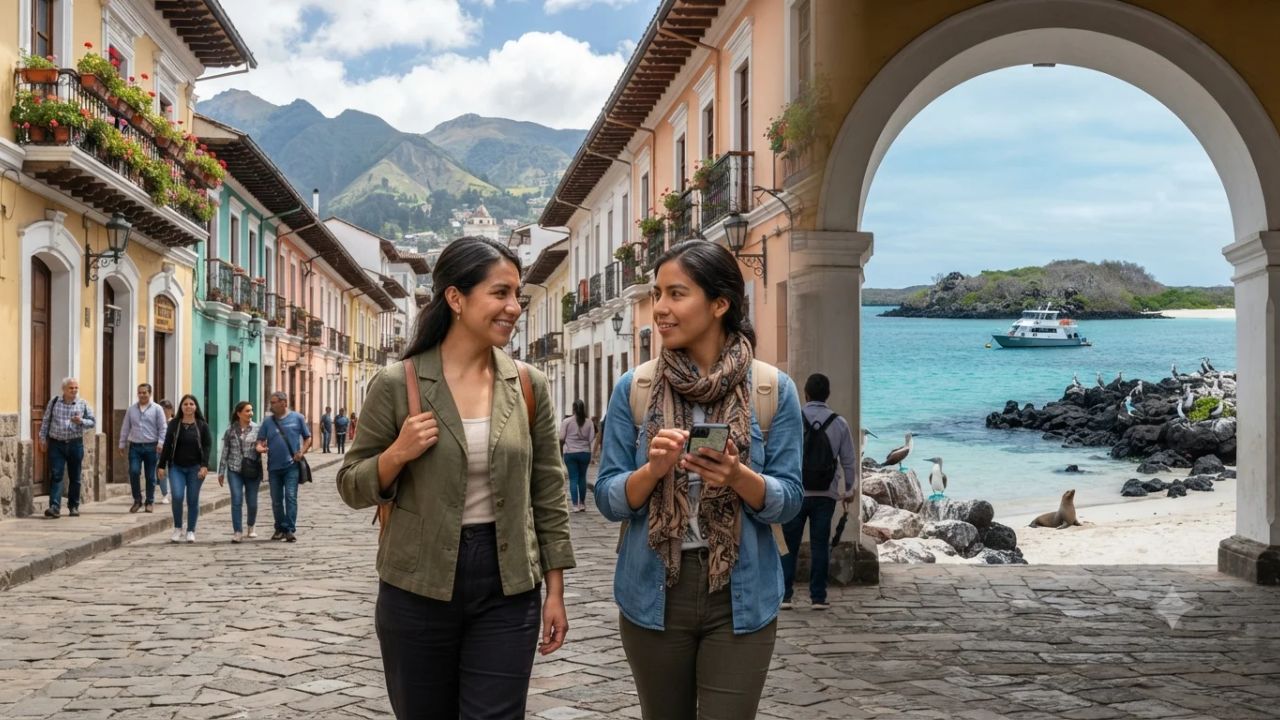
Although international headlines often treat national security warnings with a single broad brush, Ecuador's crown jewels—Quito's colonial historic district and the isolated Galápagos archipelago—continue welcoming international flights, research vessels, and eco-travelers without disruption. Inscribed together in 1978 as the very first cultural and natural sites on the UNESCO World Heritage List, these high-altitude and oceanic sanctuaries remain geographically and operationally insulated from localized coastal security challenges.
Understanding Ecuador's current travel environment requires looking past nationwide generalizations. While the U.S. Department of State maintained Ecuador at Level 2 (Exercise Increased Caution) in its August 18, 2026 update and the Ecuadorian presidency enacted a targeted state of exception on September 15, 2026 covering provinces including Pichincha, Guayas, and Esmeraldas, the reality on the ground is highly segmented. International aviation hubs at Quito's Mariscal Sucre International Airport and Guayaquil's José Joaquín de Olmedo International Airport maintain standard operations, ensuring seamless air transit for travelers connecting directly to Andean lodges or island expedition yachts.
Segmented Travel Realities: Understanding the Regional Map
Navigating Ecuador successfully in 2026 depends entirely on destination-specific planning rather than broad country-level assumptions. Ecuador's Ministry of Tourism actively coordinates visitor flow across four distinct geographic zones: the Galápagos Islands, the Andean Highlands, the Pacific Coast, and the Amazon Basin.
In the Andes, the capital city of Quito, along with southern cultural hubs like Cuenca, continues to host guided architecture walks, culinary tastings, and volcano excursions along the Avenue of the Volcanoes. Domestic airports connecting Cuenca, Manta, Baltra, and San Cristóbal provide reliable air bridges that bypass overland transit routes. However, urban precautions remain necessary: international advisories from both the U.S. State Department and the UK Foreign, Commonwealth & Development Office recommend staying vigilant in urban nightlife sectors and adhering strictly to municipal security directives.
On the Pacific coast, conditions are markedly more complex. Strict travel advisories apply to coastal provinces including Esmeraldas, Manabí, Santa Elena, Los Ríos, El Oro, and Santo Domingo de los Tsáchilas due to targeted law enforcement operations against organized crime networks. In Guayaquil, authorities advise against visiting specific southern and western districts like Nueva Prosperina, Pascuales, and areas south of Portete de Tarqui Avenue, while airside transit through Guayaquil Airport for Galápagos connections continues smoothly under dedicated security protocols.
What Makes Quito and Galápagos Unique in South America
Few countries on earth offer such extreme ecological and cultural contrasts within a 90-minute flight. Perched at 2,850 meters in a narrow Andean valley beneath the Pichincha volcano, Quito holds the best-preserved and least altered historic center in the Americas. Intricate Baroque monasteries like the gold-leafed Church of the Company of Jesus (La Compañía) and the sprawling Plaza de San Francisco stand beside independent chocolate workshops and contemporary Andean restaurants reimagining native crops like lupin beans (chochos) and wild passion fruits.
A short domestic flight westward over the Pacific deposits travelers onto the volcanic shores of the Galápagos archipelago. Isolated from mainland South America for millions of years, the islands function as a living laboratory of evolutionary biology. Strict biodiversity regulations managed by the Galápagos National Park Directorate ensure that giant tortoises, marine iguanas, blue-footed boobies, and Galápagos penguins thrive with minimal human disturbance.
Because the archipelago lies nearly 1,000 kilometers offshore, island journeys operate in complete isolation from mainland security concerns. Exploring the islands via small-ship expedition catamarans or eco-certified island-based lodges provides an immersive encounter with pristine marine reserves, coral reefs, and volcanic caldera trails that remain among the most protected natural habitats on earth.
Visitor Insider Tips
To ensure a seamless and safe journey across Ecuador's premier heritage destinations, follow these practical travel strategies:
- Streamline Island Logistics: Every visitor to the Galápagos must purchase a Transit Control Card (TCC) at Quito or Guayaquil airport prior to check-in, followed by payment of the protected area entry fee upon arrival at Baltra or San Cristóbal. Keep printed copies of your return flight and authorized accommodation bookings readily accessible.
- Book Direct Airport Transfers: When arriving at Quito or Guayaquil international airports at night, arrange pre-booked, private chauffeured transfers through your boutique hotel or tour operator rather than taking unvetted street cabs outside arrivals.
- Acclimatize Gradually in Quito: Quito's elevation can cause rapid dehydration and fatigue. Spend your first afternoon resting, hydrate with herbal infusions, avoid heavy evening alcohol consumption, and save uphill hikes like the TelefériQo to Cruz Loma for your second or third day.
- Venture Responsibly into the Amazon: If extending your itinerary to the Napo River or Cuyabeno Wildlife Reserve, travel exclusively with licensed eco-lodges that provide private river transport, professional naturalist guides, and established satellite communications from Coca or Lago Agrio.
- Keep Digital Copies of Documentation: Carry laminated photocopies of your passport and entry stamp while exploring historic city centers, keeping original identification and credit cards secured inside hotel room safes.
Cultural and Environmental Context
Tourism serves as the financial backbone for conservation and community stewardship across Ecuador. In the Galápagos, park admission fees directly fund anti-poaching maritime patrols, invasive species eradication programs, and scientific research conducted at the Charles Darwin Research Station on Santa Cruz Island. Without sustainable tourism revenue, safeguarding this fragile marine sanctuary against illegal industrial fishing would become immensely difficult.
On the mainland, supporting heritage tourism in Quito and Cuenca provides vital economic stability to traditional woodcarvers, gilders, textile weavers, and indigenous market vendors whose livelihoods depend on cultural preservation. Tourism businesses have increasingly adopted stringent safety protocols, neighborhood watch coordination, and green hospitality certifications to protect their communities and visitors alike.
By choosing reputable, locally owned tour companies and staying in verified heritage properties, international travelers actively participate in Ecuador's economic resilience. Mindful travel helps protect both centuries-old Andean architecture and irreplaceable island ecosystems, reinforcing the vital social compact between local communities and responsible global tourism.
FAQ: Visiting Ecuador 2026
Is it safe to visit the Galápagos Islands right now?
Yes. Located 1,000 kilometers off the mainland, the Galápagos archipelago maintains separate entry controls and remains completely insulated from mainland security issues.
Can I transit through Guayaquil Airport safely?
Yes. Airside transit at Guayaquil's José Joaquín de Olmedo International Airport for connecting flights to the Galápagos operates normally with dedicated aviation security measures.
What precautions should I take in Quito?
Stay in well-policed districts like the Historic Center or La Floresta, use authorized hotel taxis or private chauffeurs after dark, and avoid isolated streets during late evening hours.
Do I need a guide for the Ecuadorian Amazon?
Yes. Travel to protected reserves along the Napo River or Cuyabeno should always be arranged through certified naturalist lodges providing licensed local guides and private river transport.
Ecuador's greatest treasures remain anchored in its timeless heritage: the golden light across Quito's stone plazas and the undisturbed silence of the enchanted volcanic islands.
Related Travel Guides
This article is for informational purposes. Flight routes, passenger regulations, visa rules, and transit advisories are subject to change by airlines and aviation authorities. Readers are advised to verify schedules and travel documentation with relevant carriers and border agencies before departure.
Related Stories
Paraguay Visa-Free Travel Rules Enter Focus as Key August 2027 Validity Deadline Approaches
South America Emerges as Premier Long-Haul Choice for European Travelers in 2026: Cultural and Luxury Travel Guide