
Discover Authentic Japan: The New Official Inbound Tourism Guide Bridging Tokyo with Northern Kanto Prefectures
Discover Authentic Japan: The New Official Inbound Tourism Guide Bridging Tokyo with Northern Kanto Prefectures

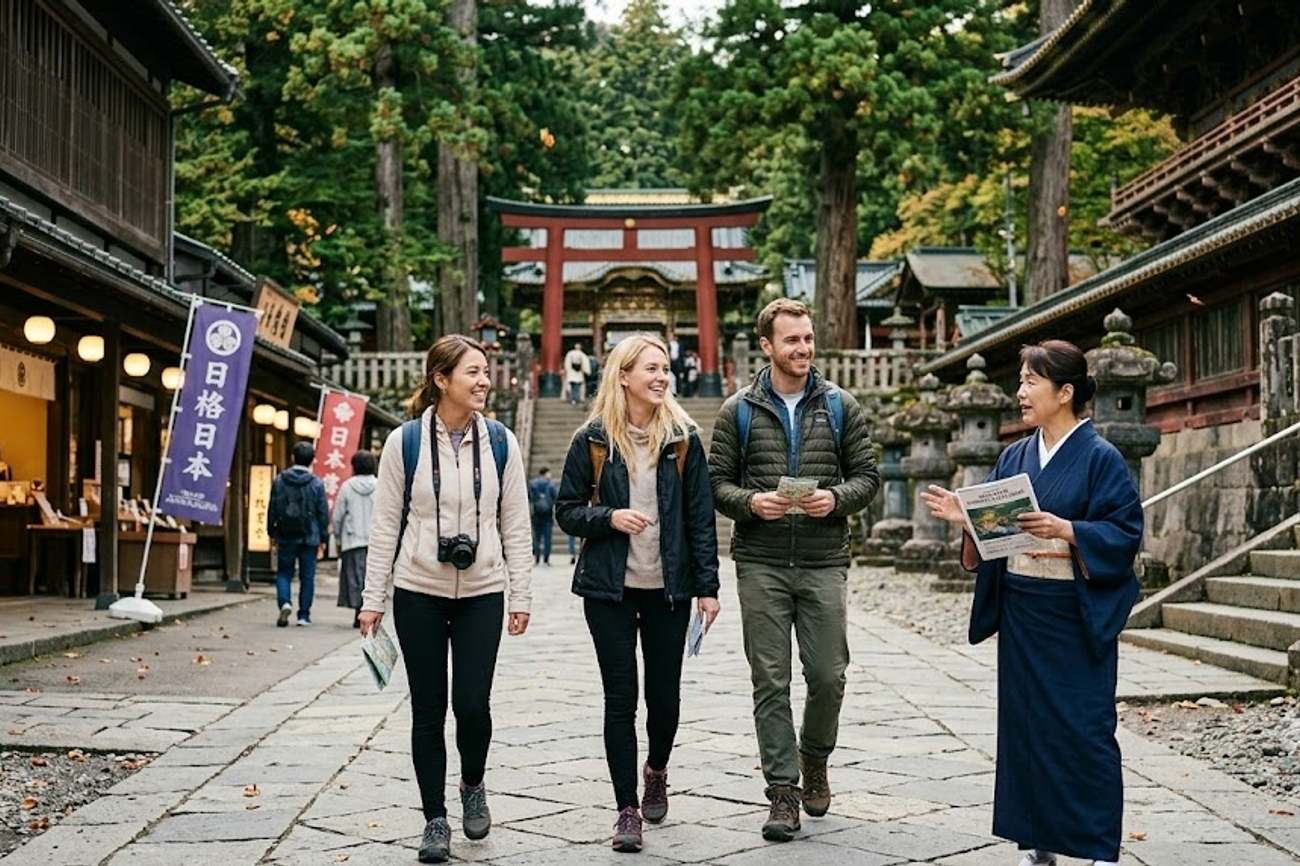
Image generated by AI
Regional Dispersion and the Kanto Gateway
Three northern prefectures—Ibaraki, Tochigi, and Gunma—have officially integrated their tourism infrastructure with the capital to combat urban saturation. On September 14, 2026, the Tokyo Convention & Visitors Bureau (TCVB) launched the KITAKANTO x TOKYO platform, a digital pivot designed to transform Tokyo from a final destination into a strategic transit hub. This initiative represents a calculated shift in Japanese inbound tourism management, moving away from the "Golden Route" congestion that has historically plagued the capital and Kyoto, instead pushing international arrivals toward the underutilized cultural assets of the northern Kanto region.
The Logistics of Decentralization
For decades, the primary friction point for international visitors in Japan has been the "information cliff"—the sharp decline in English-language logistical data once a traveler leaves the metropolitan boundaries of Tokyo or Osaka. By consolidating the resources of three distinct prefectural governments under one TCVB-managed portal, the KITAKANTO x TOKYO initiative attempts to bridge this gap.
The strategy relies on positioning Tokyo as the "international gateway," leveraging the city's existing airport and rail infrastructure to funnel tourists into specific regional corridors. This is not merely a marketing exercise but a logistical overhaul. The platform integrates real-time transit guidance for express train networks and highway buses, specifically targeting the routes connecting Tokyo to the diverse landscapes of the north.
The regional breakdown of this expansion focuses on three distinct value propositions:
| Prefecture | Primary Tourism Driver | Key Assets |
|---|---|---|
| Ibaraki | Coastal & Botanical | Hitachi Seaside Park, Mito gardens, Pacific coastlines |
| Tochigi | Heritage & Spiritual | Nikko world-heritage shrines and temples, regional crafts |
| Gunma | Wellness & Alpine | Mountainous hot spring (onsen) ryokans, alpine heritage |
By utilizing the Japan National Tourism Organization (JNTO) framework for regional promotion, the TCVB is effectively attempting to "load balance" the tourist population. The goal is to reduce the physical pressure on Tokyo's urban centers while stimulating economic growth in rural municipalities that possess high cultural value but low visibility among non-Japanese speakers.
Expert Analysis: The Economics of "Gateway Tourism"
The launch of the KITAKANTO x TOKYO portal is a direct response to the phenomenon of over-tourism. When a city reaches a saturation point, the quality of the visitor experience drops, and local resentment grows. For travelers booking routes into Japan, the direct consequence of this initiative is a reduction in "planning friction." Previously, a visitor wishing to visit a ryokan in Gunma or a shrine in Nikko had to navigate fragmented municipal websites, often with outdated or poorly translated transport schedules.
The pricing pressure this creates is subtle but significant. By diversifying the "Tokyo experience" to include northern Kanto, the TCVB is expanding the average length of stay for international visitors. When a traveler views Gunma or Ibaraki as an extension of their Tokyo itinerary rather than a separate, daunting trip, they are more likely to book longer-term accommodations and spend more on regional rail passes.
From a regulatory and business perspective, this move aligns with the broader goals of the International Air Transport Association (IATA), which emphasizes the need for sustainable tourism distribution to maintain the viability of global destinations. By shifting the focus to the "North Kanto" corridor, Japan is experimenting with a hub-and-spoke model of tourism: Tokyo acts as the hub, and the surrounding prefectures act as the spokes. This prevents the "bottleneck effect" at major landmarks and distributes the economic benefits of tourism—such as spending at local craft shops in Tochigi or traditional inns in Gunma—more equitably across the region.
For the nomad traveler or the high-end tourist, this means that the "authentic" Japan—characterized by the hot spring villages and coastal views mentioned in the TCVB rollout—is now digitally accessible. The removal of the language barrier in transit planning is the catalyst that turns a "wish-list" destination into a bookable itinerary.
The new tourism initiative streamlines travel between Tokyo and the Northern Kanto region, encouraging cruise passengers and international visitors to explore beyond the capital. Travelers can coordinate their regional excursions and transport logistics through the Japan National Tourism Organization, which provides official resources for navigating these authentic cultural hubs.
Key Takeaways
- Strategic Launch Date: The KITAKANTO x TOKYO portal went live on September 14, 2026, to streamline English-language access to northern Japan.
- Integrated Transit: The platform provides direct, coordinated guidance on highway buses, express trains, and regional rail passes to minimize navigation anxiety.
- Regional Specialization: Tourism is segmented by prefecture: Ibaraki for coastal/botanical views, Tochigi for heritage/shrines, and Gunma for alpine onsens.
- Congestion Management: The primary objective is to alleviate urban density in Tokyo by redistributing visitor flows into the northern Kanto countryside.
- Gateway Model: Tokyo is being repositioned not as the end-point of a journey, but as the logistical starting point for regional exploration.
FAQ: Northern Kanto Travel 2026
What is the KITAKANTO x TOKYO portal? Launched September 14, 2026, it is an official English-language website created by the Tokyo Convention & Visitors Bureau and the prefectures of Ibaraki, Tochigi, and Gunma to help tourists explore regions beyond the capital.
How do I travel from Tokyo to the northern Kanto region? The portal provides integrated guides for express train networks, highway buses, and regional rail passes that connect Tokyo directly to the three northern prefectures.
Which regions should I visit for traditional hot springs? Gunma is the primary destination for those seeking traditional wooden hot spring (onsen) ryokans and alpine heritage.
Where can I find world-heritage sites near Tokyo? Tochigi prefecture is the highlighted destination for those seeking world-heritage shrines and temples, specifically in the Nikko area.
The shift from urban saturation to regional discovery marks a new era for the Japanese traveler's itinerary.
Tags: TCVB-2026, Northern-Kanto-Tourism, Tokyo-Gateway-Strategy, Nikko-Heritage-Travel, Gunma-Onsen-Logistics, Ibaraki-Coastal-Tourism
Related Travel Guides
Disclaimer
This article is for informational and educational purposes only. It does not constitute legal, financial, or professional advice. While we strive to provide accurate and up-to-date information, travel policies, regulations, and conditions change rapidly. Always verify information with official sources before making travel decisions. Nomad Lawyer makes no representations about the accuracy, reliability, completeness, or suitability of the information provided. Readers should consult qualified professionals for advice specific to their circumstances. The views expressed in this article are those of the author and do not necessarily reflect the views of Nomad Lawyer.
Kunal K Choudhary
Co-Founder & Contributor
A passionate traveller and tech enthusiast. Kunal contributes to the vision and growth of Nomad Lawyer, bringing fresh perspectives and driving the community forward.
Learn more about our team →