Denver International Airport Hit by 175 Flight Delays as United, Delta and American Airlines Passengers Face Hub Congestion and FAA Ground Holds in May 2026


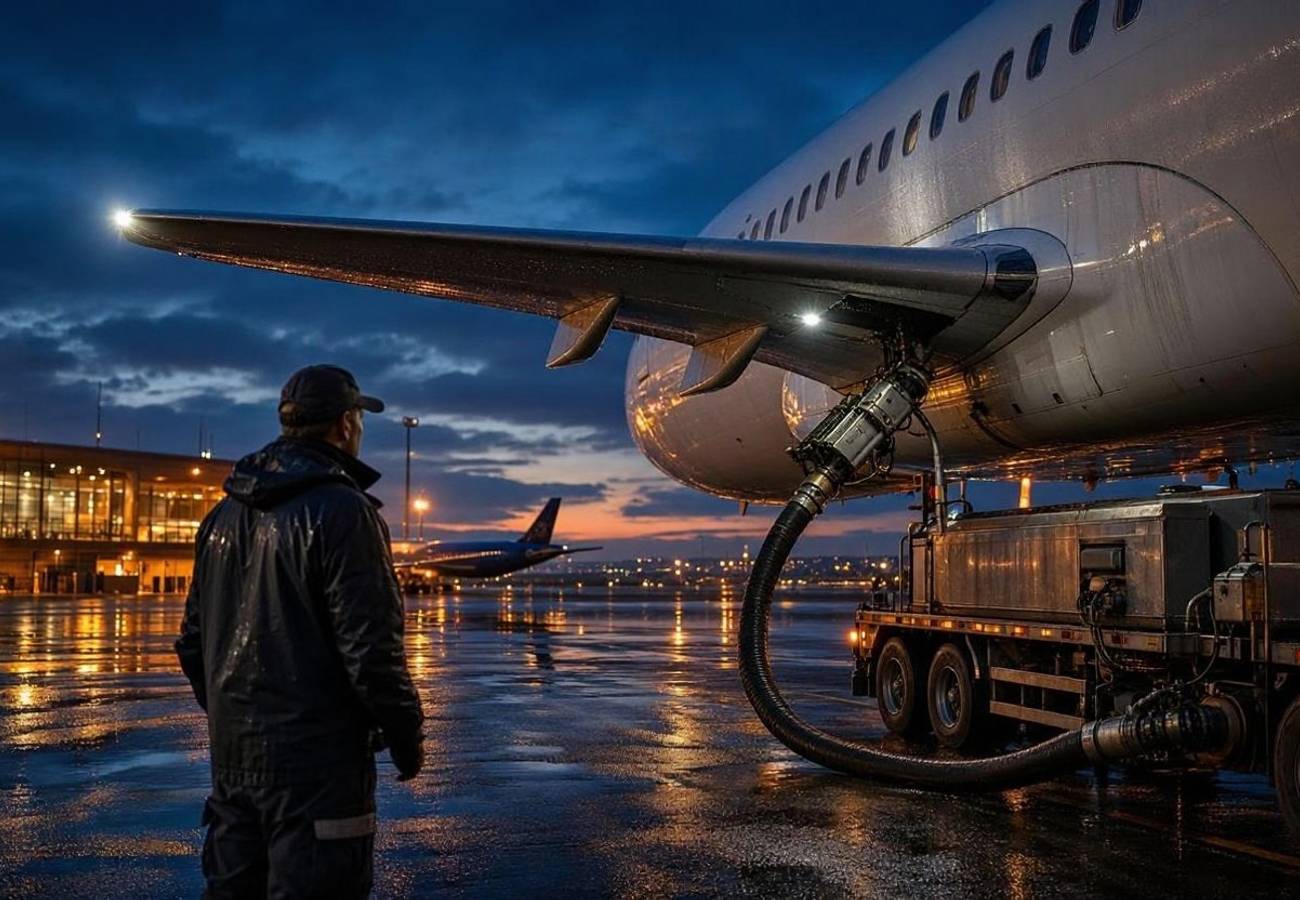
Image generated by AI
Denver International Airport (DEN) — the sprawling Colorado mega-hub and a primary pivot point for the North American aviation network — is currently grappling with a surge in operational friction as 175 flights fell behind schedule today, May 10, 2026. The disruption, which primarily impacts United Airlines (for which Denver is a critical fortress hub), Delta Air Lines, and American Airlines, has triggered a ripple effect across domestic and international routes to Chicago, Los Angeles, New York, Dallas, and Atlanta.
According to the latest FAA Daily Air Traffic Report, Denver is experiencing a combination of minor airborne delays and taxi-out holds, forcing thousands of passengers into extended waits as the world's third-busiest airport attempts to process record-high volume under challenging airspace constraints.
The Denver Bottleneck: 175 Flights and Counting
As the largest airport by land area in the United States and the primary connecting node for traffic moving between the East Coast and the Pacific West, Denver International Airport’s operational health is essential to national schedule integrity. Today’s count of 175 delays represent a significant portion of the airport’s midday bank of departures, leading to crowded concourses in Terminals A, B, and C.
While cancellations have remained remarkably low — a testament to the resilience of the airport’s 1,200+ daily aircraft movements — the "15-minute plus" delay metric has caught many travelers off-guard. For those transiting through Denver on tight connections, even a 20-minute airborne delay can mean a missed leg and an unplanned stay in Colorado.
What the FAA’s Official Status Reveals
The Federal Aviation Administration (FAA) airport status dashboard for DEN indicates that the current disruption is driven by operational constraints rather than severe weather. The FAA has issued alerts for:
Airborne Delays: Aircraft arriving at DEN are experiencing average holding patterns of approximately 15 minutes as air traffic controllers manage the high volume of inbound traffic.
Taxi and Gate Holds: Outbound aircraft are facing taxi-out times that are exceeding standard operational windows, as ground crews and ATC coordinate runway access during peak departure banks.
Systemic Airspace Stress: Denver sits at the heart of the "Midwest-West" air corridor. Congestion at other major hubs like Chicago O'Hare (ORD) and Dallas–Fort Worth (DFW) earlier today has contributed to aircraft arriving late into Denver, preventing the scheduled "turnaround" of planes for their next outbound segments.
Why Denver is Particularly Vulnerable to Delay Cascades
Denver’s unique status as a "fortress hub" for United Airlines means that its schedules are built around massive waves of arriving and departing flights. When a single wave is delayed by airborne holds, it creates a "stacking" effect that impacts every subsequent wave of the day.
Geographic and Elevation Factors: At an elevation of 5,431 feet, aircraft performance at Denver is different from sea-level airports. "Thin air" requires longer takeoff rolls and different spacing between aircraft, meaning that when volume is high, the system has less "slack" to absorb minor technical or air traffic glitches.
Connecting Traffic Density: Over 60% of passengers at DEN are connecting to other destinations. This high density of transfer traffic means that a delay of 175 flights impacts not just Denver, but every destination city on the airline’s network, from London to Honolulu.
The Passenger Experience: Patience Tested in the Mile High City
Travelers at DEN have reported a busy but organized terminal environment. Unlike airports facing mass cancellations — which often see thousands of passengers queuing for customer service desks — Denver’s "delay-only" status means that most passengers are simply waiting at their gates.
"My flight to Chicago has been pushed back three times," one traveler shared near the Terminal B bridge. "It’s not a disaster because the plane is still here and the crew is ready, but it’s definitely testing everyone’s patience. The terminal is very crowded right now."
Airlines at DEN are working to minimize the impact by leveraging their "gate-swap" procedures and providing real-time updates via mobile apps. However, for those traveling with families or large groups, the accumulated wait times are driving up demand for airport amenities and lounges.
Actionable Advice for Navigating Denver (DEN) Today
If you are flying through or out of Denver International Airport today, the following steps are recommended:
- Use the DEN "FlyDenver" mobile app — it provides accurate data on security wait times and, crucially, the transit time between concourses A, B, and C
- Check your specific flight status every 30 minutes — gate changes are frequent during high-congestion periods as airlines attempt to optimize aircraft placement
- Allow at least 90 minutes for connections — with taxi delays reported by the FAA, the standard 40-minute connection is at high risk of a "miss"
- Monitor the FAA’s National Airspace System (NAS) status for updates on any ground delay programs that may be implemented if volume continues to outpace capacity
- Charge your devices — with 175 delays, power stations in the "peaked" terminal are seeing heavy use
FAQ: Denver Airport Flight Delays May 2026
Q: Why are there so many flight delays at Denver (DEN) today? The delays are attributed to high traffic volume, FAA-mandated airborne holds, and minor taxi-out delays. Weather in the Denver area is currently clear, but high traffic density is stressing the airport’s capacity.
Q: Which airlines are most affected? United Airlines is the primary carrier affected due to its major hub operation at DEN. Delta and American Airlines are also seeing delays on their hub-to-hub and regional connecting routes.
Q: Is there any risk of cancellations? As of May 10, 2026, the FAA reports that cancellations remain low. The primary issue is "behind schedule" operations rather than total flight terminations. However, travelers should stay in close contact with their airlines as crew duty time limits can occasionally lead to late-evening cancellations if delays persist.
The Bigger Picture: Denver’s Role in U.S. Aviation Resilience
As the primary connector for the Western U.S., Denver’s ability to manage 175 delays without collapsing into a mass cancellation event is a positive sign for the system’s overall resilience. However, it also highlights the urgent need for the ongoing "Phase 2" gate expansions and airfield improvements at DEN.
For the thousands of travelers currently waiting under the iconic white peaked roof of the Jeppesen Terminal, the goal is simple: to get moving. Denver’s aviation team and the FAA are working to ensure that despite the 175 delays, every passenger reaches their destination by the end of the operational day.
Key Takeaways
- 175 flight delays were recorded at Denver International Airport (DEN) on May 10, 2026
- United Airlines is the most heavily impacted carrier at its primary Colorado hub
- Cancellations remain low, with the focus on managing "behind schedule" arrivals and departures
- Primary causes: FAA airborne holds, taxi delays, and high traffic volume across the Midwest-West corridor
- Major routes affected: Chicago, Los Angeles, New York, Dallas, and Atlanta
- Travelers are advised to build extra connection time and use the FlyDenver app
- The disruption highlights the high-altitude operational challenges of the world's 3rd busiest hub
Related Travel Guides
- Oslo Gardermoen Disruptions: 138 Flight Delays and 17 Cancellations Hit Norway
- JetBlue Triggers Massive Summer Travel Chaos with 226 Network Disruptions and Severe Flight Cancellations Paralyzing New York, Boston, Orlando, and Caribbean Routes: Latest Airline News
- Greek Aviation Network Hits Breaking Point Amid Summer Surge
This article is for informational purposes. Flight routes, passenger regulations, visa rules, and transit advisories are subject to change by airlines and aviation authorities. Readers are advised to verify schedules and travel documentation with relevant carriers and border agencies before departure.
Related Stories
United and Delta Lead US Fleet Overhaul: 2026 Analysis of Fuel-Efficient Aircraft and Regional Shifts
FAA Nationwide Ground Stop 2026: How One Faulty Router Paralyzed US Air Traffic Control