
Delta Flight DL82 Atlanta to Paris Diverts to Dublin for Medical Emergency
Delta flight DL82 from Atlanta to Paris safely diverted to Dublin Airport following a medical emergency on the Airbus A350 cruising at 39,000 feet.

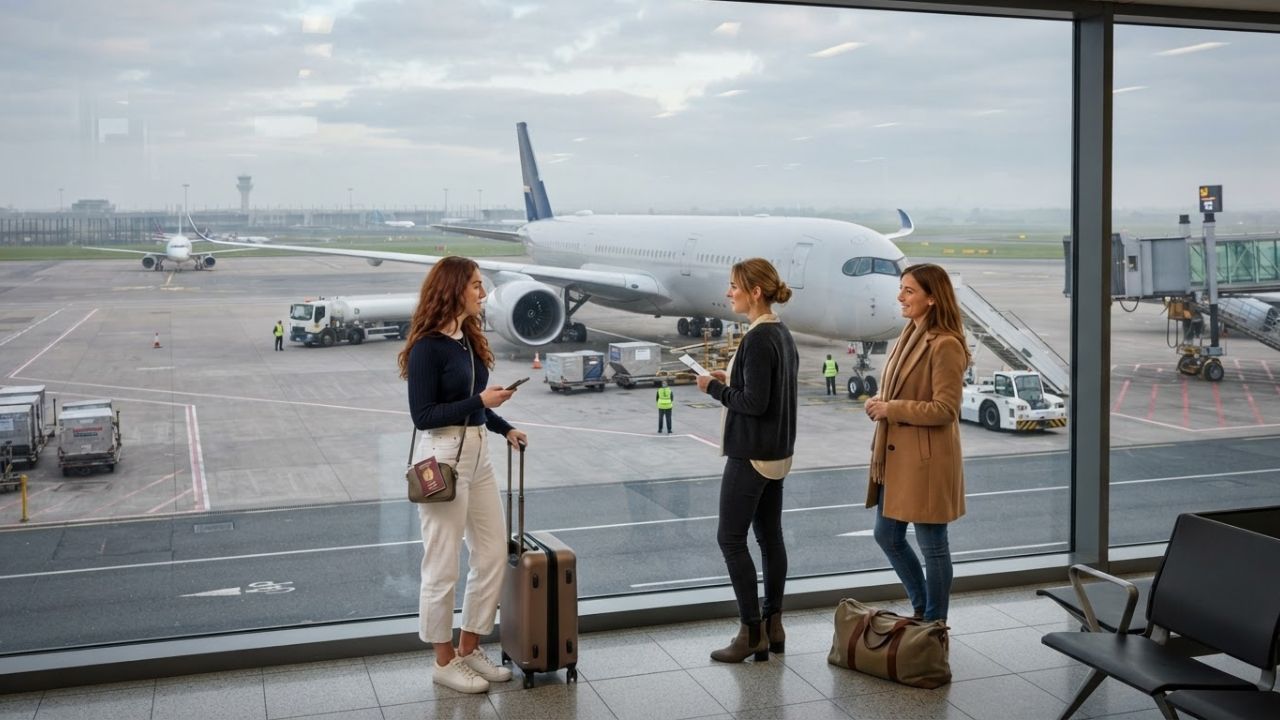
Image generated by AI
During transatlantic flights, passenger safety is the overriding priority, even when it requires altering course and delaying scheduled operations. Delta Air Lines flight DL82, operating from Atlanta to Paris on August 14, 2026, diverted safely to Dublin Airport due to an onboard medical emergency before refueling and arriving at its final destination four hours behind schedule.
Transatlantic Medical Diversion of Delta Flight DL82
The overnight transatlantic journey of Delta Air Lines flight DL82 on Friday, August 14, 2026, took an unexpected turn when the crew decided to execute a precautionary landing in Ireland. The scheduled long-haul flight, operating from Hartsfield-Jackson Atlanta International Airport (ATL) to Paris Charles de Gaulle Airport (CDG), was carrying international tourists and business travelers when a passenger experienced a medical emergency. The Airbus A350-941, registered under the tail number N503DN, was cruising at 39,000 feet when the flight crew altered the flight path.
The flight had departed Atlanta at 4:20 p.m. EDT, embarking on its transcontinental crossing. The suspected medical situation arose when the aircraft was approximately two hours away from its destination in France, requiring immediate access to ground-based healthcare facilities. The flight crew coordinated with air traffic control and ground teams, choosing Dublin Airport (DUB) as the most appropriate diversion point due to its strategic position and extensive emergency handling capabilities.
The aircraft touched down safely on Dublin Airport’s Runway 28L approximately 10 hours and 25 minutes after taking off from Atlanta. This controlled stop allowed the airline to coordinate with local emergency medical services, who met the aircraft on the tarmac. The ground teams in Dublin managed the situation, ensuring the passenger received immediate care while the airline refueled the wide-body jet and prepared it for departure to Paris.
Dublin Airport’s Operational Role in Atlantic Crossings
Dublin Airport occupies a vital geographic position in the global aviation network, serving as a primary diversion hub for air carriers operating between North America and Europe. Situated on the western edge of Europe, the airport is the first major international facility available to aircraft exiting the North Atlantic tracks. In situations where continuation to mainland Europe is no longer optimal due to medical or technical emergencies, Dublin offers a safe and reliable landing site with long runway infrastructure and high-capacity ground handling.
The Irish Aviation Authority coordinates closely with international carriers to manage these unscheduled arrivals, prioritizing safety without causing severe disruption to regular operations. Dublin Airport maintains dedicated emergency response teams and medical staff on standby to handle incoming incidents. For wide-body aircraft like the Airbus A350-900, which require specialized ground equipment and significant runway length for safe operations, Dublin's facilities are essential for ensuring a controlled, efficient landing and quick turnaround.
During flight DL82's unscheduled stop, the aircraft remained on the ground in Dublin for approximately three hours. This period allowed local medical personnel to safely transport the patient to a nearby hospital and enabled ground crews to refuel the aircraft for the remaining leg of the journey. By maintaining high operational readiness, the airport minimized the ground stop duration, allowing the flight to resume its journey across the English Channel toward France.
Coordinating Long-Haul Aviation Emergency Responses
Managing an in-flight medical emergency on a long-haul route requires seamless cooperation between cabin crews, pilots, dispatchers, and medical professionals. Delta Air Lines utilizes ground-based medical consultation services, such as MedLink, which connect flight crews with emergency medicine doctors in real time. These doctors guide the onboard crew through diagnostic procedures, helping them assess the severity of a situation and determine if an immediate diversion is necessary.
The cabin crew on transatlantic flights are trained in advanced first aid and are equipped with emergency medical kits containing diagnostic tools and medications. When a medical issue is reported, the crew's first step is to stabilize the patient while the flight deck contacts dispatch and ground-based doctors. If a diversion is recommended, the pilots must evaluate weather conditions, fuel weight, runway compatibility, and landing limits before choosing an alternate airport.
In this incident, the Airbus A350 continued to Paris Charles de Gaulle Airport after its ground stop in Dublin. The flight landed safely in France shortly after 10:00 a.m. local time, completing its journey around four hours behind schedule. While the diversion resulted in delays and disrupted travel plans, the coordinated response between Delta's crew, the Irish Aviation Authority, and Dublin Airport ground teams highlights the safety-first approach that defines modern commercial aviation.
Practical Advice and Tips for Flight Diversions
Transatlantic travel disruptions can be highly stressful, but understanding standard procedures can help passengers manage unexpected delays. Travelers should follow these guidelines if their flight is diverted:
- Medical Emergency Support: If you experience health issues during a flight, notify the cabin crew immediately. Flight crews have direct links to ground doctors who can provide guidance and arrange for emergency services to meet the aircraft upon landing.
- Navigating Dublin Airport: If your flight is diverted to Dublin Airport for an extended period, the modern Terminal 2 offers quiet seating zones and lounge access. The airport features local dining options, including traditional Irish pubs, where travelers can wait comfortably while the aircraft is prepared.
- Ground Transit Options: For travelers who are offloaded in Dublin due to medical or visa reasons, the airport is connected to central Dublin by regular express bus services, including the Aircoach, which operates 24 hours a day.
- EU261 Rights and Assistance: Although medical diversions are typically classified as extraordinary circumstances, exempting airlines from cash compensation, carriers must still provide duty-of-care assistance, including meals, refreshments, and hotel accommodation if an overnight delay occurs.
- Verify Onward Connections: Once a diversion is announced, passengers should use the airline’s mobile application or airport Wi-Fi to check the status of their connecting flights. Delta's system automatically updates rebooking options, allowing travelers to confirm new boarding passes before landing at their final destination.
Sustainable Aviation and Diversion Management
Aviation safety protocols are increasingly integrated with environmental sustainability goals. When planning a diversion, flight dispatchers and pilots calculate optimal descent profiles and speed settings to minimize excess fuel burn. Modern aircraft like the Airbus A350 are designed with advanced aerodynamics and fuel-efficient engines that significantly reduce emissions, even when executing unexpected maneuvers or holding patterns near alternate airports.
Dublin Airport and Paris Charles de Gaulle Airport are active participants in European initiatives to promote sustainable aviation practices, including the gradual integration of sustainable aviation fuel (SAF) and the electrification of ground support equipment. By reducing taxi times and optimizing gate allocations for unscheduled flights, ground teams help minimize the environmental impact of emergency diversions. These coordinated efforts ensure that the aviation industry protects both passenger safety and the environment.
Related Travel Guides
- American Airlines Offers $4,000 as Aspen Flight Diverts to Grand Junction
- IndiGo Flight 6068 From Kolkata To Agartala Struck By Lightning At Netaji Subhas Chandra Bose International Airport Disrupting Travel Operations As Over 140 Passengers Face Sudden Power Failure And Emergency Aircraft Grounding During Severe Thunderstorm
- Spirit Airlines Shutdown Looms as Trump Bailout Talks Stall in 2026
Disclaimer
This article is for informational and educational purposes only. It does not constitute legal, financial, or professional advice. While we strive to provide accurate and up-to-date information, travel policies, regulations, and conditions change rapidly. Always verify information with official sources before making travel decisions. Nomad Lawyer makes no representations about the accuracy, reliability, completeness, or suitability of the information provided. Readers should consult qualified professionals for advice specific to their circumstances. The views expressed in this article are those of the author and do not necessarily reflect the views of Nomad Lawyer.
Raushan Kumar
Founder & Lead Developer
Full-stack developer with 11+ years of experience and a passionate traveller. Raushan built Nomad Lawyer from the ground up with a vision to create the best travel and law experience on the web.
Learn more about our team →