
Delta Air Lines Flight DAL490, an Airbus A321-211 from Atlanta to New York Diverts to Detroit Metropolitan Wayne County Airport, United States: What You Need To Know


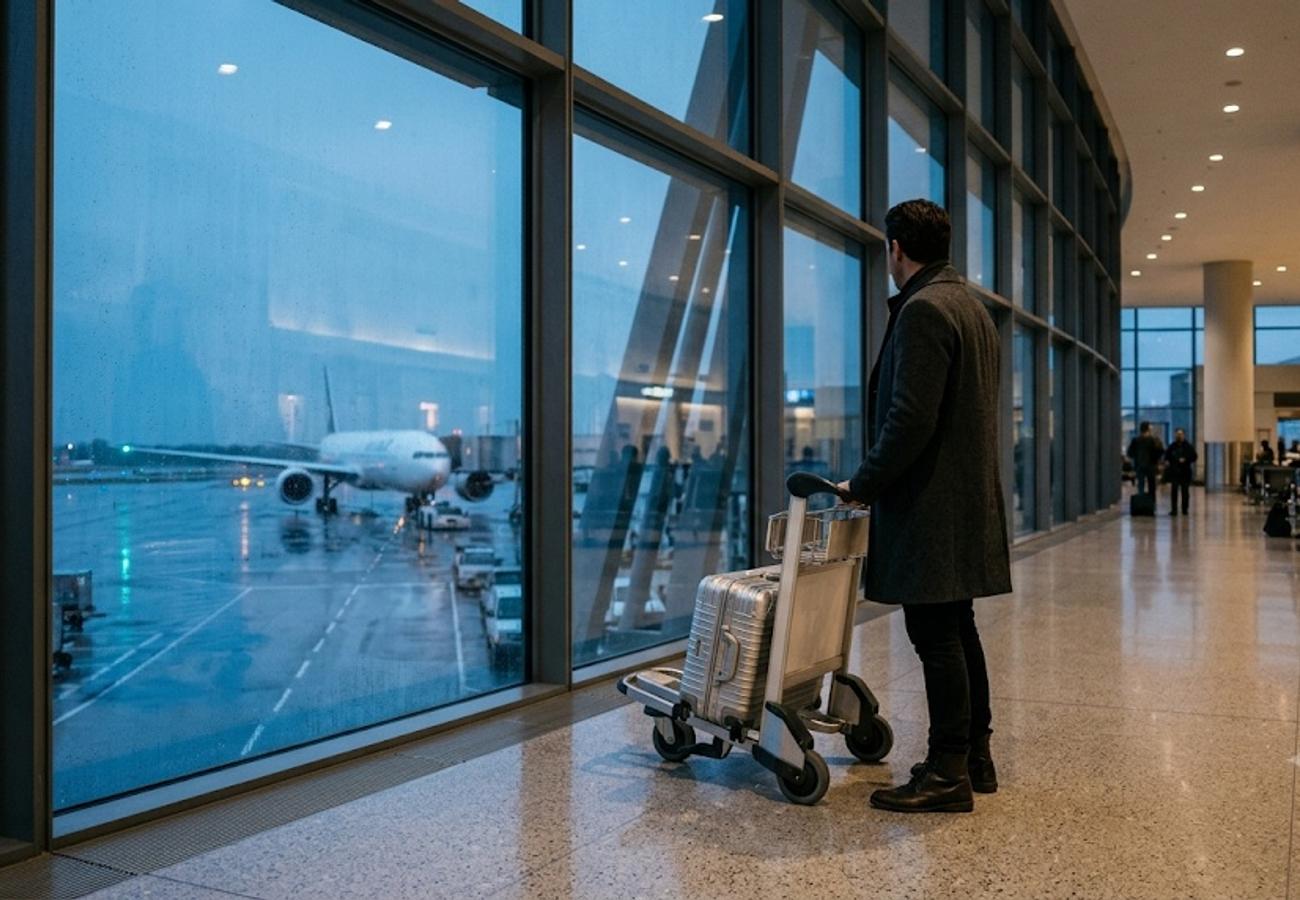
Image generated by AI
[Detroit, June 23, 2026] — A Delta Air Lines flight operating from Atlanta to New York was forced to make an unscheduled diversion to Detroit Metropolitan Wayne County Airport on Tuesday. The aircraft, an Airbus A321-211, landed safely in Michigan after the flight crew opted to deviate from the original flight path to the East Coast.
The incident involving flight DAL490 has drawn significant attention from aviation analysts and passengers alike, as the flight was diverted mid-journey. While the aircraft successfully touched down without any reported injuries or emergencies, the sudden change in destination has prompted inquiries regarding the operational cause of the detour.
Operational Details of Delta Air Lines Flight DAL490
The flight, registered as N120DN, departed from Atlanta according to its scheduled itinerary. Initial stages of the journey proceeded normally, with the Airbus A321-211 maintaining its course toward New York. However, flight tracking data later indicated a sharp deviation from the planned route, directing the aircraft toward Detroit.
Industry observers note that commercial diversions are standard safety protocols in modern aviation. Such decisions are typically triggered by a variety of factors, including technical system alerts, unexpected weather patterns, medical emergencies on board, or the need for a precautionary inspection of the aircraft's systems.
| Flight Detail | Information |
|---|---|
| Flight Number | DAL490 |
| Aircraft Type | Airbus A321-211 |
| Registration | N120DN |
| Departure Point | Atlanta, Georgia |
| Intended Destination | New York |
| Diversion Airport | Detroit Metropolitan Wayne County Airport |
| Date of Incident | June 23, 2026 |
| Status | Landed Safely |
Strategic Importance of Detroit Metropolitan Wayne County Airport
The selection of Detroit as the diversion point is likely tied to the airport's role as a primary operational hub for Delta Air Lines. According to industry sources, the facility provides a comprehensive suite of resources that are critical during unscheduled landings, including advanced maintenance hangars, engineering support, and a large contingent of ground staff.
Because Detroit is strategically positioned between the departure point in Atlanta and the intended destination in New York, it serves as an ideal safety valve for flights operating across the eastern United States. The presence of extensive technical infrastructure allows the airline to conduct thorough aircraft inspections and manage passenger logistics more efficiently than at a non-hub airport.
Reports indicate that the decision to land in Detroit often reflects a calculated move to minimize operational disruptions, as the airline can more easily deploy replacement crews or substitute aircraft from its existing Detroit fleet.
Impact on Passengers and Safety Protocols
Passengers on flight DAL490 faced an unexpected interruption to their travel plans, though reports confirm there were no emergency evacuations or injuries during the landing process. The transition from the original New York route to the Detroit diversion was handled according to established aviation safety procedures, which mandate clear communication between the cockpit and air traffic control.
In the aviation industry, the prioritization of safety over schedule reliability is a fundamental tenet. When a flight crew identifies a potential concern—even one that does not constitute an immediate emergency—the standard procedure is to divert to the nearest suitable airport. This precautionary approach ensures that any technical or medical anomalies are addressed on the ground.
For the travelers involved, this diversion likely resulted in immediate delays, the need for rebooking, or the provision of overnight accommodations in Detroit while the aircraft was inspected and the passengers were rerouted.
Aviation Safety and Operational Resilience
The safe conclusion of the DAL490 flight underscores the resilience of current aviation safety frameworks. By utilizing a hub-and-spoke model, airlines like Delta are able to maintain "safe havens" where aircraft can be serviced rapidly without compromising the safety of the passengers.
While the airline has not yet released a formal statement detailing the specific trigger for the diversion—whether it was a mechanical glitch, a medical event, or a weather-related precaution—the successful landing demonstrates the effectiveness of crew training and the strategic placement of operational bases.
The event serves as a reminder that flight paths are dynamic and subject to change based on real-time data and pilot discretion. The ability to divert to a high-resource environment like Detroit Metropolitan Wayne County Airport significantly reduces the risk associated with mid-air operational anomalies.
The incident concludes with the aircraft safely on the tarmac in Michigan. The focus now shifts to the technical evaluation of the Airbus A321-211 and the logistical effort to transport the affected passengers to their final destination in New York.
Related Travel Guides
This article is for informational purposes. Flight routes, passenger regulations, visa rules, and transit advisories are subject to change by airlines and aviation authorities. Readers are advised to verify schedules and travel documentation with relevant carriers and border agencies before departure.
Related Stories
Global Tourism Spending to Hit US$1.8 Trillion in 2026 as International Arrivals Reach 1.57 Billion

Copenhagen and Reykjavik Lead 2026 Global Safest Cities Rankings for Holiday Tourism
