
Delta Air Lines Flight DAL2879 Boeing 737-800 Diverts Back to Atlanta from Chicago O'Hare in 2026
Delta Air Lines Flight DAL2879, a Boeing 737-800 traveling from Atlanta to Chicago O'Hare, was forced to divert and return to Hartsfield-Jackson Atlanta International Airport on August 3, 2026.

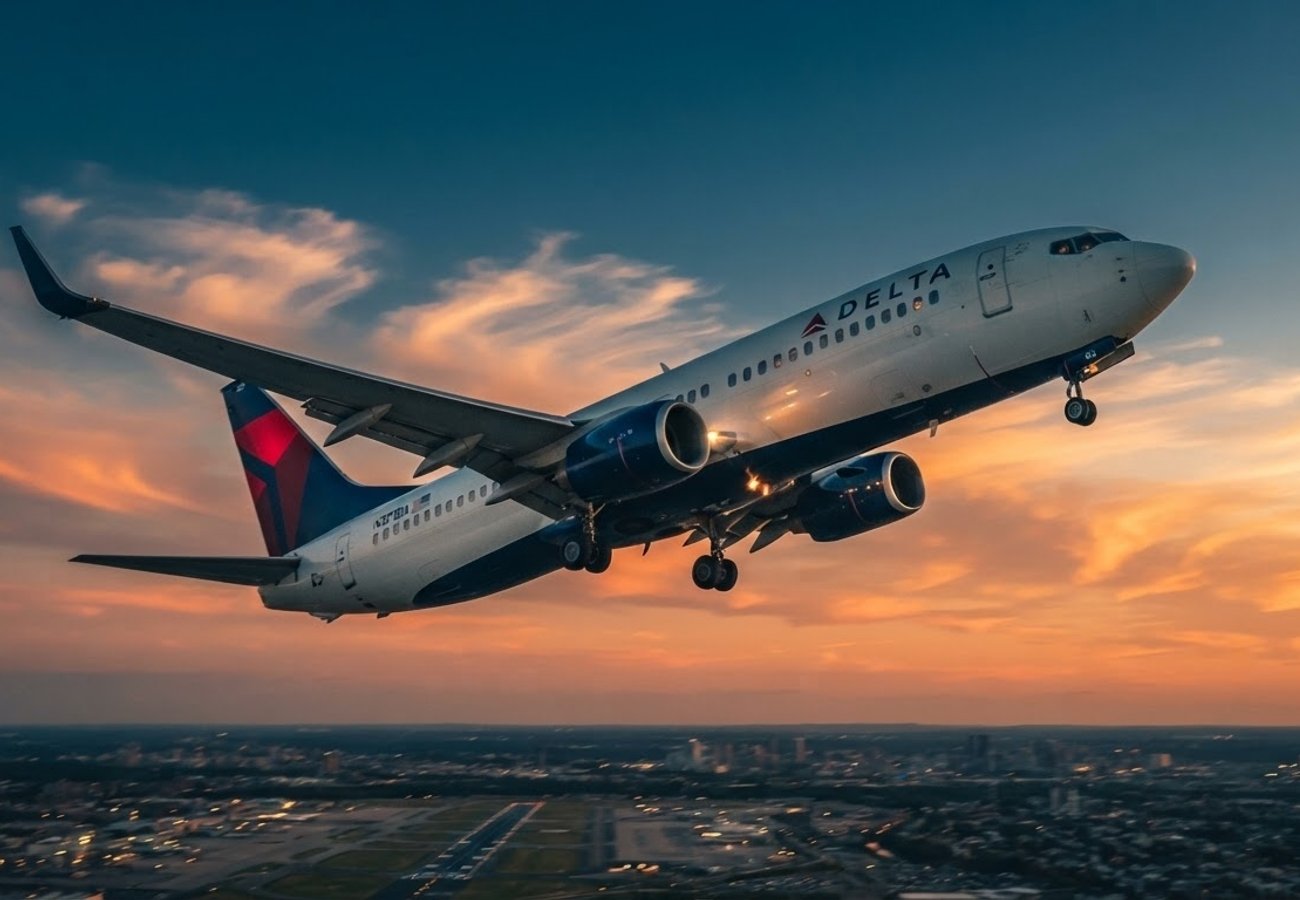
Image generated by AI
[Atlanta, August 4, 2026] — A scheduled Delta Air Lines flight between two of the United States' most congested aviation hubs was forced to abort its journey on August 3, 2026, resulting in a full return to the departure point. Flight DAL2879, operated by a Boeing 737-800, diverted back to Hartsfield-Jackson Atlanta International Airport after an operational decision was made by the flight crew shortly after departure.
The incident occurred during a high-traffic window, with the aircraft returning to Georgia's primary hub at 8:02 PM STA. While the flight was intended for Chicago O’Hare International Airport (ORD), it never reached its destination. Industry reports indicate that the decision to turn the aircraft around was based on safety protocols, though the specific catalyst—whether technical, medical, or environmental—has not yet been disclosed by the carrier.
Operational Analysis of the Atlanta to Chicago Diversion
The flight in question, DAL2879, utilized a Boeing 737-800, a workhorse of the Delta fleet, registered as N3756. The route connecting Atlanta (ATL) and Chicago (ORD) is one of the most critical corridors in the domestic U.S. network, serving a massive volume of business travelers and tourists.
When a flight returns to its origin, it is typically the result of a "precautionary diversion." According to flight tracking data, the aircraft circled back to Atlanta rather than attempting to land at an alternate airport along the route. This suggests that the crew determined that the most secure and efficient resolution was to return to a base where full maintenance support and airline ground operations were already established.
While the airline has not released a formal statement regarding the exact cause, aviation protocols generally categorize such returns into four primary triggers:
- Technical Anomalies: Warning lights or system irregularities that require a ground-based inspection.
- Medical Emergencies: Acute health crises involving a passenger or crew member necessitating immediate hospital access.
- Meteorological Hazards: Sudden onset of severe thunderstorms or wind shear that makes the destination or route untenable.
- Operational Safety: Unforeseen security or aircraft-specific issues identified during the climb or cruise phase.
Confirmed Flight Data and Specifications
The following data outlines the specifics of the diverted operation as recorded on August 3, 2026.
| Category | Flight Detail |
|---|---|
| Date | 3 August 2026 |
| Flight Number | DAL2879 |
| Route | Atlanta (ATL) $\rightarrow$ Chicago (ORD) |
| Aircraft Model | Boeing 737-800 |
| Registration Number | N3756 |
| Scheduled Departure | 7:20 PM |
| Planned Arrival | 8:02 PM |
| Diversion Point | Atlanta (ATL) |
| Current Status | Returned to Origin |
| Official Cause | Not Publicly Disclosed |
Potential Environmental and Mechanical Factors
Given the timing of the incident in early August, weather is a primary suspect. The American Midwest and Southeast are prone to volatile summer weather patterns, including rapid-onset thunderstorms and lightning activity. Such conditions can lead to severe congestion at Chicago O'Hare, often forcing aircraft to hold or divert if arrival slots are compromised.
However, the decision to return specifically to Atlanta, rather than diverting to a closer alternate airport near Chicago, often points toward a technical or mechanical requirement. Modern aircraft are equipped with sophisticated onboard diagnostics. If a sensor indicates a potential failure—even if the aircraft is flying safely—pilots are trained to return to a maintenance hub to prevent a minor issue from becoming a critical failure.
Passenger Impact and Recovery Logistics
For the passengers aboard DAL2879, the diversion resulted in immediate schedule disruptions. Returning to the point of origin is often more disruptive than diverting to a nearby city, as it necessitates a complete reset of the travel itinerary.
Common repercussions for passengers in this scenario include:
- Missed Connections: Many travelers using the ATL-ORD leg are connecting to international flights or other domestic hubs, leading to a domino effect of delays.
- Rebooking Friction: The need to secure new seats on subsequent flights, which may be fully booked during the August peak travel season.
- Logistical Delays: Extended waiting periods at Hartsfield-Jackson while the aircraft is grounded for inspection and passengers are processed.
Industry observers suggest that passengers affected by such disruptions should prioritize the airline's mobile application for real-time rebooking and maintain a detailed log of any out-of-pocket expenses incurred due to the delay.
Why This Matters: The Legal and Logistical Perspective
From a traveler's perspective, a diversion back to the origin airport is a significant event that triggers specific consumer rights and airline obligations. When a flight returns to its start point, the "contract of carriage" is interrupted, and the airline's responsibility to get the passenger to their destination remains active.
For the legal-minded traveler or "nomad," this incident highlights the importance of understanding the difference between a "force majeure" event (like a sudden storm) and a "mechanical failure." If the diversion was caused by a preventable technical issue with aircraft N3756, passengers may have different levels of recourse regarding compensation or hotel vouchers compared to a weather-related diversion.
Furthermore, this event underscores the "safety-first" culture of modern aviation. While returning to Atlanta may seem like a failure of the mission, it is actually a success of the safety system. The decision to prioritize a secure landing at a home base over a risky attempt to reach the destination is the primary mechanism that keeps aviation accident rates low.
Safety protocols ensure that while schedules may break, the aircraft remains secure.
Related Travel Guides
Disclaimer
This article is for informational and educational purposes only. It does not constitute legal, financial, or professional advice. While we strive to provide accurate and up-to-date information, travel policies, regulations, and conditions change rapidly. Always verify information with official sources before making travel decisions. Nomad Lawyer makes no representations about the accuracy, reliability, completeness, or suitability of the information provided. Readers should consult qualified professionals for advice specific to their circumstances. The views expressed in this article are those of the author and do not necessarily reflect the views of Nomad Lawyer.
Kunal K Choudhary
Co-Founder & Contributor
A passionate traveller and tech enthusiast. Kunal contributes to the vision and growth of Nomad Lawyer, bringing fresh perspectives and driving the community forward.
Learn more about our team →