Czechia Autumn Festivals 2026: A Guide to Moravian Wine Harvests and Prague Cultural Events

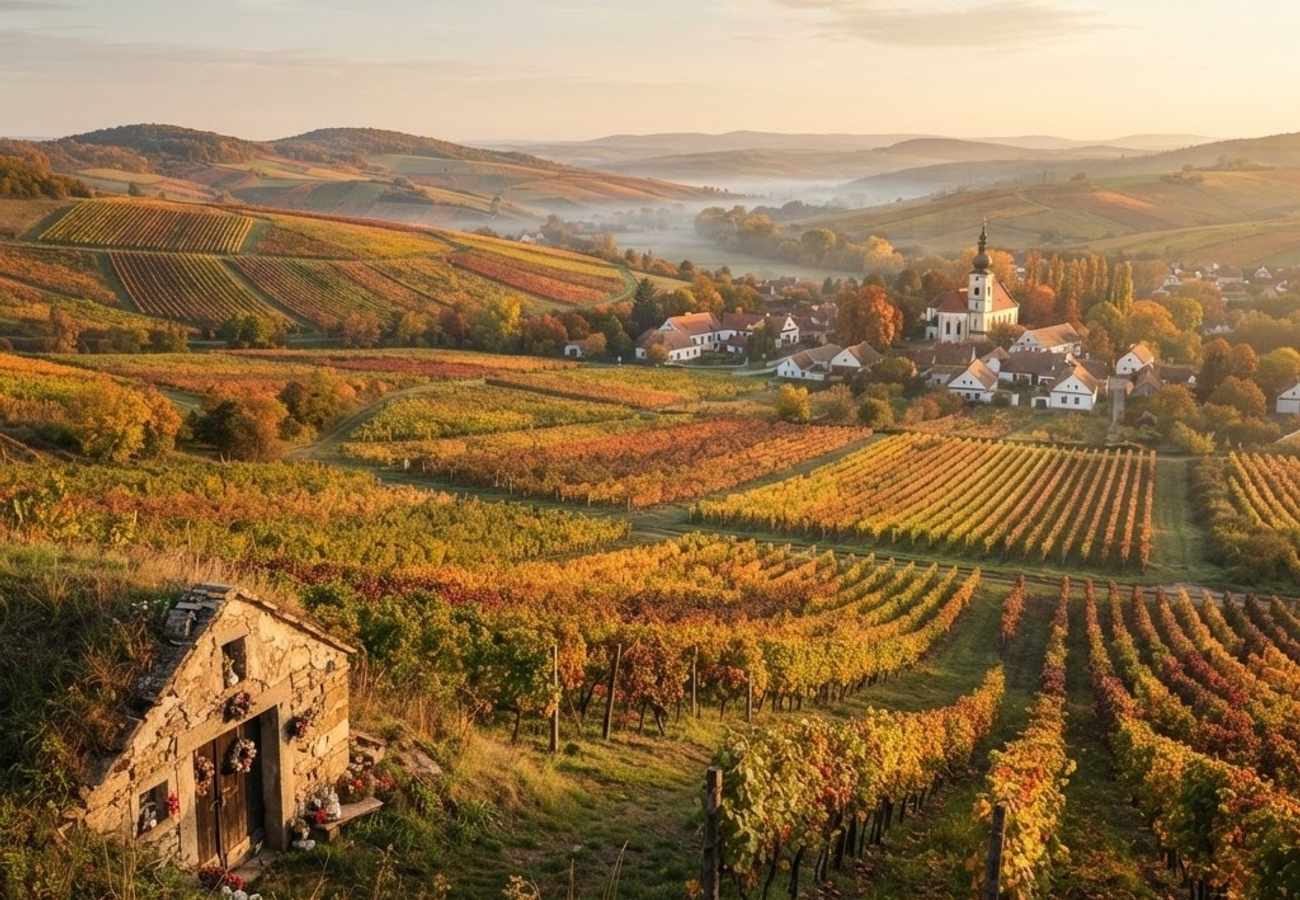
Image generated by AI
The shift toward "shoulder-season" travel has turned the September-to-November window into Czechia's most authentic cultural peak, offering a sophisticated alternative to the summer crowds.
The Shift Toward Experiential Autumn Travel
Czechia is repositioning its autumn calendar as a primary draw for international travelers in 2026. While Prague remains a permanent fixture on the global map, the current trend sees a migration toward regionalism. Travelers are increasingly swapping generic sightseeing for "event-driven" itineraries that align with local harvests, musical legacies, and digital art installations.
This movement is characterized by a desire for immersion. Rather than observing a city from the outside, visitors are integrating into community-led celebrations. This shift is particularly evident in the distribution of tourism; activity is moving away from the city center and into the vineyards of Moravia and the medieval corridors of South Bohemia.
Cultural & Environmental Value: Beyond the Tourist Path
For the visitor, the real impact of autumn travel in Czechia is the ability to witness living heritage. In regions like South Moravia, the wine harvest is not a staged performance for tourists but a vital economic and social pillar. By visiting during this window, travelers provide direct economic support to small-scale viticulturists and family-run estates.
The environmental appeal is equally strong. The cooler temperatures and vivid foliage of the Bohemian and Moravian highlands encourage slower, more sustainable modes of transport, such as cycling through vineyard trails or walking through UNESCO-listed town centers. This reduces the carbon footprint associated with the heavy vehicle traffic typical of the July-August peak.
Regional Highlights for 2026
| Destination | Primary Autumn Attraction | Experience Type |
|---|---|---|
| Prague | Signal Festival & Dvořák Prague Festival | Digital Art & Classical Music |
| Mikulov | Wine Harvest Celebrations | Viticulture & Rural Heritage |
| Český Krumlov | Medieval Cultural Programmes | Architectural History |
| Pilsen | Regional Beer Traditions | Gastronomy |
| Brno | Creative & Modern Arts | Contemporary Culture |
Prague’s High-Contrast Cultural Calendar
Prague serves as the anchor for the season, blending its reputation as a classical music capital with a new identity as a hub for digital innovation.
The Dvořák Prague International Music Festival continues to draw global audiences, leveraging the city's historic theaters to celebrate the legacy of Antonín Dvořák. Simultaneously, the Signal Festival transforms the urban environment into a gallery of light and digital art, utilizing the city's Gothic and Baroque architecture as canvases for modern technology. This duality—the classical and the cutting-edge—defines the 2026 visitor experience in the capital.
The Moravian Wine Identity
In the southeast, the focus shifts from urban art to agricultural heritage. Mikulov, the heart of South Moravian wine tourism, hosts harvest celebrations that are deeply entwined with local identity. For the international traveler, this is a transition from "sightseeing" to "participating." The experience involves vineyard tours, tasting sessions with local producers, and folk music events that reflect the rural soul of the region.
Medieval Charm in South Bohemia
Beyond the wine and music, the autumn season breathes new life into historic towns. Český Krumlov, with its winding medieval streets and castle vistas, becomes a natural stage for seasonal festivals. The reduced crowd density of autumn allows for a more intimate exploration of its UNESCO-listed architecture, while regional events focusing on folklore and traditional crafts provide a window into the Bohemian way of life.
Visitor Insider Tips
To maximize the experience and respect local customs, travelers should consider the following:
- The "Golden Hour" Window: Visit Moravian vineyards between late September and mid-October for the peak harvest atmosphere.
- Cultural Etiquette: When attending classical concerts in Prague, remember that many historic venues maintain a traditional dress code; business casual is generally the safe standard.
- Hidden Gem: While in South Moravia, venture beyond Mikulov into the smaller "cellar lanes" (sklepní uličky) of nearby villages for a more authentic, less commercial tasting experience.
- Transport Tip: Use the regional train network to connect Prague, Brno, and Olomouc. It is more sustainable and offers scenic views of the autumn countryside that are missed on the highway.
Tourism Outlook
The long-term trajectory for Czechia is a move toward "quality over quantity." By promoting the autumn festival circuit, the National Tourism Board is successfully diversifying the visitor profile, attracting those interested in arts, gastronomy, and heritage rather than just checklist tourism. This strategy not only stabilizes the economy across different seasons but also protects the integrity of high-traffic sites by spreading the load across the calendar year.
Experience the intersection of medieval history and modern creativity before the winter frost sets in.
Related Travel Guides
This article is for informational purposes. Flight routes, passenger regulations, visa rules, and transit advisories are subject to change by airlines and aviation authorities. Readers are advised to verify schedules and travel documentation with relevant carriers and border agencies before departure.
Related Stories

European Mass Protests Disrupt Travel Across France, Italy, Belgium, and Turkey in 2026

Israel Tourism Recovery 2026: North American Flight Restorations and New ETA-IL Entry Rules