
Curious Tourists Visit Liechtenstein, Moldova, and Many Other European Nations Less Frequently
Curious Tourists Visit Liechtenstein, Moldova, and Many Other European Nations Less Frequently

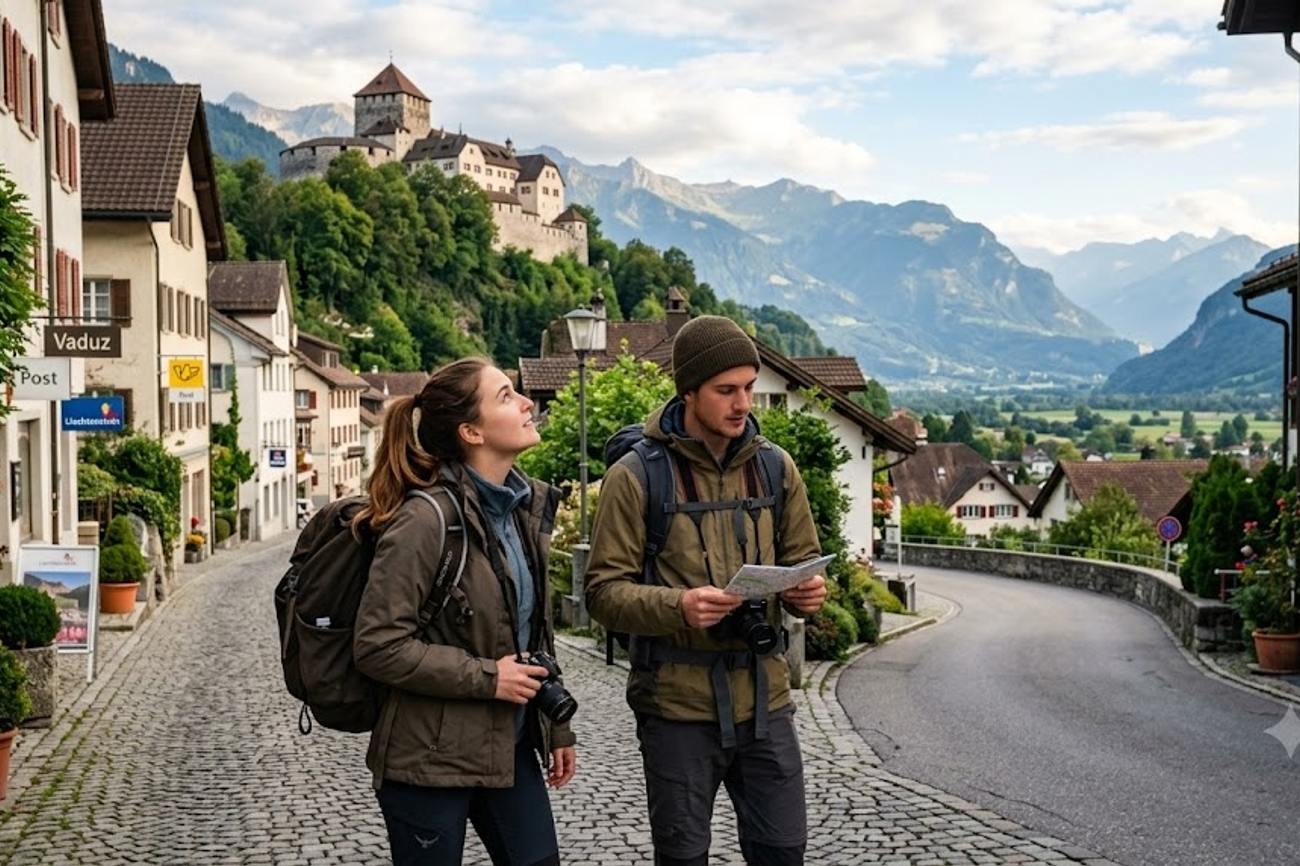
Image generated by AI
[Brussels, October 2024] — European travelers are aggressively pivoting away from traditional "overtourism" hubs like Paris, Rome, and Barcelona in favor of under-visited microstates and Eastern European territories for 2027.
Industry data indicates a structural shift in consumer behavior as tourists abandon saturated hotspots—including Santorini—to seek "slow travel" experiences. This migration toward secondary and tertiary destinations is driven by a demand for authentic cultural immersion, lower price points, and untouched natural landscapes. Destinations such as Liechtenstein, Moldova, and San Marino are emerging as primary beneficiaries of this trend, as travelers prioritize meaningful local connections over checklist tourism.
The Catalyst for Destination Diversification
The surge in interest toward Europe's periphery is triggered by a systemic reaction to overcrowding in Western European capitals. Travelers are increasingly reporting "tourist fatigue," leading to a strategic search for destinations where infrastructure is not overwhelmed by mass tourism. This shift is not merely about avoiding crowds; it is a fundamental change in the value proposition of a vacation. Modern travelers are now prioritizing "meaningful connections" and "unique local stories" over the standardized experiences offered by global tourism conglomerates.
Furthermore, the economic pressure of inflation in major European hubs is pushing budget-conscious travelers toward the East. Countries like North Macedonia and Bulgaria offer high-value cultural heritage at a fraction of the cost of their Mediterranean neighbors. The rise of the digital nomad movement is also playing a role, with Estonia leveraging its advanced digital infrastructure to attract long-term visitors who prefer the quiet of national parks over the noise of metropolitan centers.
Markets and Routes Under Expansion
The following regions are projected to see significant growth in visitor arrivals by 2027, categorized by their specific tourism niches:
| Destination | Primary Appeal | Key Assets | Primary Challenge |
|---|---|---|---|
| Liechtenstein | Luxury & Alpine | Vaduz Castle, Rhine Valley | Limited hotel capacity |
| Moldova | Enology & Heritage | Cricova & Mileștii Mici cellars | Transport connectivity |
| San Marino | Architecture | Mount Titano, UNESCO center | High day-tripper ratio |
| Bosnia & Herzegovina | Adventure | Mostar Bridge, Una National Park | Uneven infrastructure |
| North Macedonia | Budget/Nature | Lake Ohrid, traditional villages | Low global recognition |
| Albania | Coastal/Hiking | Albanian Riviera, Berat | Seasonal coastal pressure |
| Serbia | City Breaks | Belgrade nightlife, Tara National Park | Marketing visibility |
| Slovenia | Sustainability | Lake Bled, Soča Valley | Increasing popularity |
| Latvia | Baltic Culture | Riga Old Town, Liepāja | Seasonal weather |
| Lithuania | Heritage | Vilnius Old Town, Curonian Spit | Small tourism footprint |
| Estonia | Digital/Nature | Tallinn, remote islands | Planning requirements |
| Luxembourg | Luxury/Cycling | Ardennes, UNESCO quarter | Day-trip dependency |
| Montenegro | Luxury/Adventure | Bay of Kotor, Durmitor NP | Summer overcrowding |
| Bulgaria | Wellness/Budget | Rila Monastery, Black Sea | International perception |
| Romania | Wildlife/Rural | Transylvania, Carpathian Mtns | Variable transport links |
| Slovakia | Outdoor/Spas | High Tatras, Bratislava | Small international profile |
| Portugal (Alentejo) | Culinary/Slow | Inland vineyards, Roman ruins | Changing visitor patterns |
| Greece (Alonnisos) | Marine/Sustainable | Marine parks, hiking | Limited accessibility |
What This Means for Travelers
For the average passenger or hotel guest, this shift translates into a tangible change in how trips are planned and executed. The "standard" European itinerary is being replaced by specialized, niche-driven journeys.
Booking and Logistics: Travelers should expect a shift in flight availability. As demand grows for destinations like Albania and Moldova, International Air Transport Association (IATA) standards and route expansions may follow, but current connectivity remains limited compared to hubs like London or Frankfurt. Booking accommodation in microstates like Liechtenstein will require significantly more lead time due to strictly limited hotel inventories.
Cost Dynamics: Those pivoting to the Balkans or the Baltics will find a significant reduction in daily spend. In destinations like North Macedonia or Bulgaria, the cost of dining, lodging, and local transport is substantially lower than in the Eurozone's primary capitals. However, travelers should be aware that "affordable" does not always mean "accessible"; the lack of high-speed rail in some of these regions means higher reliance on rental cars or regional buses.
Experience Quality: The transition to "slow travel" means fewer queues and more direct interaction with local populations. In regions like the Alentejo in Portugal or the islands of Greece (specifically Alonnisos), the experience is defined by lower density. Travelers will find that the "tourist traps" of Paris or Rome are absent, replaced by authentic, though sometimes less polished, service industries.
The 2027 Tourism Roadmap
The trajectory for the next three years suggests a formalized effort by smaller nations to capture this migrating demand. We expect to see increased investment in sustainable infrastructure to avoid the very "overtourism" they are currently benefiting from.
Slovenia is already leading the way in "green tourism," positioning itself as a sustainable alternative to the crowded Alps of Austria and Italy. Similarly, Estonia is doubling down on its digital nomad visas to ensure a steady stream of high-spending, long-term residents rather than short-term cruise passengers.
Regulatory bodies, including the European Travel Commission, are likely to support these shifts to balance the economic benefits of tourism across the continent. The goal is a more equitable distribution of wealth and foot traffic, reducing the environmental and social strain on "super-cities" while revitalizing rural economies in the East.
Travelers should monitor air link expansions into secondary airports. The growth of budget carriers into cities like Chișinău (Moldova) or Tirana (Albania) will be the primary indicator of when these "hidden gems" transition into mainstream destinations.
FAQ: European Emerging Destinations 2027
Is it more expensive to visit microstates like Liechtenstein or San Marino? Liechtenstein generally has higher travel costs and limited hotel capacity, making it a luxury-tier destination. San Marino is more accessible but suffers from a high volume of day-trippers, which can inflate prices for short-term services.
Which of these destinations are best for budget travelers? North Macedonia, Bulgaria, and Albania are currently the most affordable options. These countries offer significant savings on food, lodging, and activities compared to Western European nations.
Are these less-visited countries safe for solo travelers? Yes, most of these destinations are safe. However, travelers should check current government travel advisories via the European Union official portals, particularly regarding regional stability in the Balkans or Eastern Europe.
How do I get to remote areas in Romania or Estonia? Transport links vary. While capitals like Tallinn and Bucharest are well-connected, reaching the Carpathian Mountains or Estonian islands often requires renting a car or utilizing local regional bus networks, as high-speed rail is not universal.
The map of European tourism is being redrawn in real-time, trading the queues of the Louvre for the silence of the Carpathians.
#Liechtenstein2027 #MoldovaTourism #AlbanianRiviera #SlowTravelEurope #BalticRoutes2027 #OvertourismPivot
Related Travel Guides
- US and UK Lead 40% Global AI Adoption in Travel Planning and Outdoor Tourism Growth 2026
- Uruguay Sparks Massive August Tourist Growth While Winter Travel Takes Over Montevideo And Colonia, All You need To Know
- United States Turns Up the Heat with Las Vegas Sale Offering 180+ Travel Deals from September 22
Disclaimer
This article is for informational and educational purposes only. It does not constitute legal, financial, or professional advice. While we strive to provide accurate and up-to-date information, travel policies, regulations, and conditions change rapidly. Always verify information with official sources before making travel decisions. Nomad Lawyer makes no representations about the accuracy, reliability, completeness, or suitability of the information provided. Readers should consult qualified professionals for advice specific to their circumstances. The views expressed in this article are those of the author and do not necessarily reflect the views of Nomad Lawyer.
Preeti Gunjan
Contributor & Community Manager
A passionate traveller and community builder. Preeti helps grow the Nomad Lawyer community, fostering engagement and bringing the reader experience to life.
Learn more about our team →