
Cottar's Safaris Debuts Seven Themed Gastronomy Experiences Rooted in Maasai Mara Ecology
Kenya's historic Cottar's 1920s Camp in the Olderkesi Conservancy launches seven rotating dining experiences exploring Maasai culture, invasive species, and primate foraging.

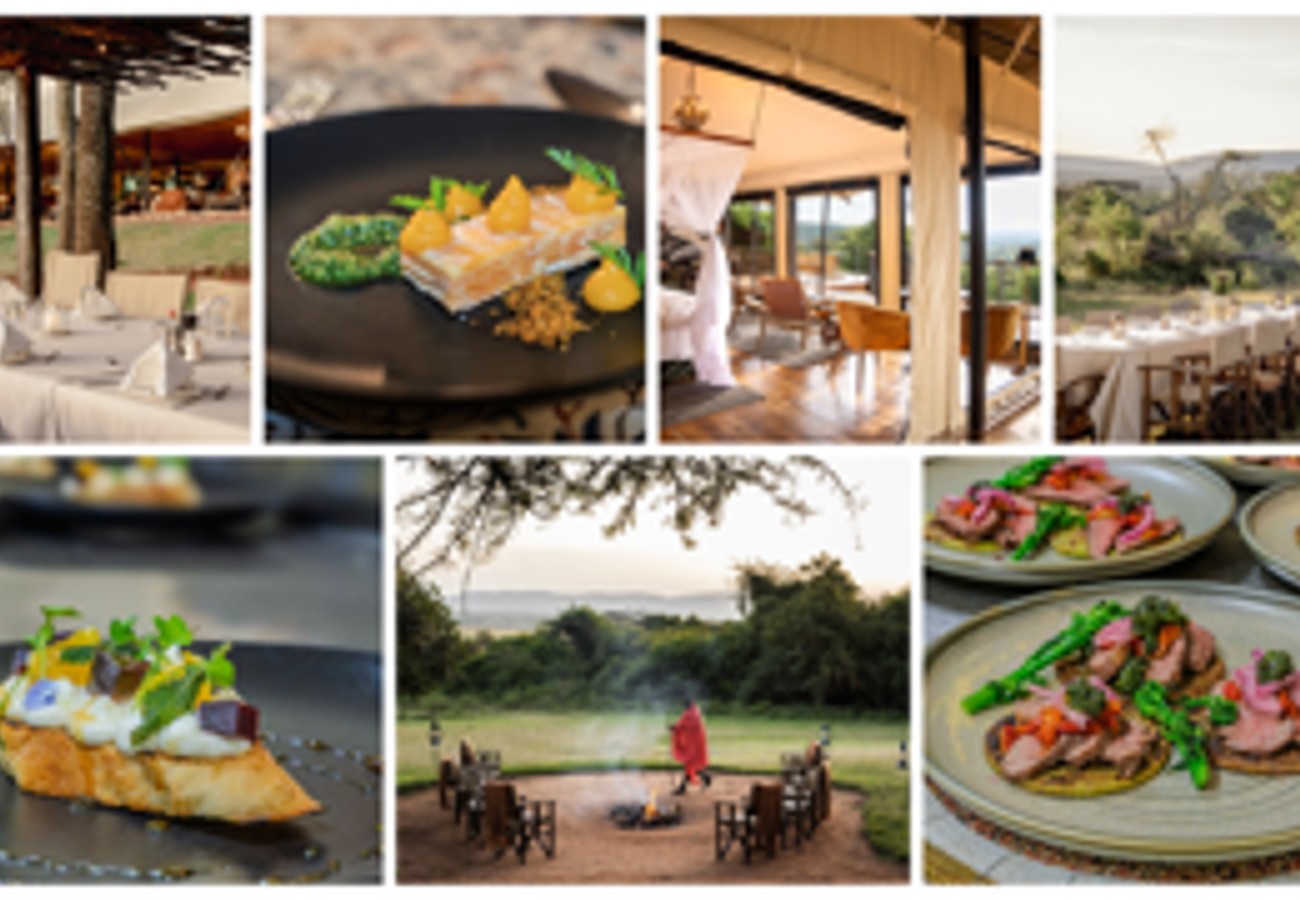
Cottar's 1920s Camp introduces seven rotating nightly menus celebrating Maasai heritage, indigenous botany, and wildlife ecology
Cottar’s Safaris has launched seven rotating nightly culinary programmes at its award-winning Cottar’s 1920s Camp in Kenya’s private Olderkesi Conservancy, connecting guests to the ecology, pastoral culture, and evolutionary history of the greater Maasai Mara ecosystem through hyper-local ingredients, indigenous botany, and open-fire techniques.
[OLDERKESI CONSERVANCY, Kenya] — While luxury African safaris have long prioritized wildlife tracking, high-end tented suites, and scenic sundowners, the culinary experience in the bush has frequently relied on imported European staples that remain separated from the living landscape just beyond the mess canvas. Cottar’s Safaris—the continent’s oldest family-run safari operator, established in 1919 and managed today by the fifth generation of the Cottar family—is breaking away from standard camp catering with an ambitious nightly dining concept.
Operating within its 7,608-hectare private Olderkesi Conservancy bordering the Maasai Mara National Reserve and Tanzania's Serengeti, Cottar’s 1920s Camp now cycles through seven dedicated dinner menus. Each night spotlights a distinct facet of East African ecology, from savannah grass-smoked Maasai Wagyu and invasive weed reductions to wild-foraged superberries and menus informed by primate feeding behaviors.
The programme launches alongside a comprehensive redesign of the camp’s signature 1920s Mess Tent and the establishment of a dedicated open-air bush dining outpost set deep in the reserve.
| Dining Programme | Core Ecological & Cultural Narrative | Highlight Dishes & Local Produce |
|---|---|---|
| Maasai & Smoke | Pastoral fire traditions & cattle husbandry | Maasai Wagyu beef smoked over savannah grasses, maziwa mala passion fruit parfait |
| The Invasive Menu | Botanical conservation & grassland degradation | Trumpet mushrooms with satay, pasture goat terrine, wild nettle cake, wild mint cream |
| The Foraged Menu | Indigenous ethno-botany of Olderkesi hills | Charred cabbage with Acacia nilotica bark essence, Carissa edulis berry dessert |
| The 1920s Menu | Century-old expedition heritage & potjie fire cooking | Slow-braised beef ossobuco, hearth vegetables, Pink Gin & Tonic sorbet |
| In Competition with Baboons | Primatology & early hominid foraging patterns | Lake Victoria Tilapia ceviche, Mwea duck with matoke gnocchi, cape gooseberry tart |
| BBQ Eve | Pan-East African open-flame communion (nyama choma) | Gochujang chicken, lamb chops, boerewors, BBQ sweet potato, sumac orchard fruits |
| Hints of Africa | Continental indigenous grains, herbs & spices | Pan-African carrot terrine, fillet with irio croquettes and kachumbari, malva pudding |
Seven Rotating Menus That Transform Maasai Mara Ecology Into Fine Dining
Rather than treating cuisine as an incidental amenity, the new programme turns dinner into an interactive evening seminar on savannah ecology, conservation pressures, and ancestral food knowledge.
“We wanted our dining experience to reflect everything that makes this place extraordinary,” explained Louise Cottar, CEO and Co-Owner of Cottar’s Safaris. “The Maasai Mara is not just a backdrop—it is an ecosystem, a culture, and a living history. Our menus are designed to bring that world to the table, one course at a time.”
1. Maasai & Smoke: Fire, Cattle, and Fermented Traditions
Centuries of pastoral life on the plains are rooted in deep reverence for livestock and the crackle of evening hearths. The Maasai & Smoke evening opens with whipped goat chèvre sweetened with rare Maasai "killer bee" hot honey and garnished with crisp wild basil leaves.
The centerpiece course presents tenderloin of Maasai Wagyu beef, lightly smoked table-side over aromatic dried savannah grasses and paired with an irio taco—reinterpreting Kenya's traditional mashed potato, pea, and corn staple—and wild herb chimichurri. For dessert, the kitchen deconstructs maziwa mala, the region’s traditional fermented milk, crafting a silky parfait layered with tangy passion fruit and a delicate sesame tuile.
2. The Invasive Menu: Harvesting Solutions to Grassland Threats
The Maasai Mara ecosystem currently contends with approximately 30 recorded invasive flora species that crowd out native grazing grasses essential for wildebeest, zebra, and antelopes.
This menu turns conservation challenges into culinary assets. Courses include trumpet mushrooms and Malabar spinach served with peanut satay; a pressed goat terrine—spotlighting goat husbandry's impact on grassland cover—served with native heritage greens, crunchy cassava crisps, and tart sour plum glaze; and a dessert pairing wild nettle sponge cake with wild mint ice cream and brittle pumpkin seed praline.
3. The Foraged Menu: Ethno-Botany of the Olderkesi Woodlands
Accompanied by resident Maasai naturalists, camp chefs gather seasonal ingredients directly from the rolling hills and acacia groves encircling the tents:
- Starter: Charred sweetheart cabbage drizzled with an aromatic decoction made from Acacia nilotica bark, long brewed in Maasai natural medicine for respiratory strength and endurance.
- Main: Delicate hand-rolled pasta ravioli filled with wild river spinach, garden sage, and forest mushroom reduction.
- Dessert: Tart and antioxidant-rich Carissa edulis berries, hand-picked from the rocky escarpments behind camp and presented in a velvety compote.
4. The 1920s Menu: Revival of Pioneer Expedition Gastronomy
Drawing directly on the handwritten journals and original provisions lists from the Cottar family’s pioneering safaris over 100 years ago—when vehicle convoys spent months isolated in the interior—this menu revives slow-simmered cast-iron potjie pot cooking over acacia coals.
Guests enjoy classic beef ossobuco braised for several hours until meltingly tender, accompanied by hearth-roasted root vegetables and herbed butter. The meal concludes with a crisp, refreshing Pink Gin & Tonic sorbet, paying homage to the quintessential sundowner cocktail that has concluded game drives since the dawn of safari travel.
5. In Competition with Baboons: Primatology on the Plate
Primatologists and anthropologists have long posited that early hominids observed baboons to discover safe fruits, roots, and fishing techniques along riverbanks.
This playful menu initiates with citrus-cured Tilapia ceviche from Kenya’s Lake Victoria, nodding to primate shoreline foraging. The main features tender Mwea duck paired with pan-crisped matoke (East African green banana) gnocchi and wild plum sauce. The meal wraps up with cape gooseberry custard tart, gooseberry sorbet, and fresh whole physalis berries, honoring primates’ voracious appetite for sweet bush berries.
6. BBQ Eve: Social Hearthside Feasting
Centering around Kenya’s cherished nyama choma culture, this communal dinner gathers guests outdoors around roaring campfire pits. Plates begin with flame-charred table grapes paired with melty camembert before moving into generous platters of gochujang-spiced grilled chicken, succulent lamb cutlets, traditional spiced boerewors spiral sausages, and skewered oyster mushrooms. Sides include sweet potatoes roasted in ash with citrus herb emulsion, rounded off by sumac-dusted roasted fruits and sweet yoghurt curd.
7. Hints of Africa: Pan-Continental Gastronomic Journey
The final concept draws together the varied culinary histories of the African continent. Diners start with a pressed carrot and ginger terrine with burnt vegetable ash crumb, followed by a prime beef fillet complemented by crisp irio croquettes and piquant kachumbari—Kenya's ubiquitous raw salad of diced vine tomatoes, red onions, coriander, and fresh green chili. The finale is a warm South African malva pudding soaked in rich Amarula liqueur butterscotch and served alongside spiced Maasai chai tea ice cream.
Historic Mess Tent Refurbishment and Elemental Bush Dining Outpost
Alongside the seven culinary themes, Cottar’s Safaris has elevated its physical dining venues to deepen the sense of wilderness immersion while preserving its distinct heritage aesthetic.
The camp’s signature Mess Tent—long admired for its genuine colonial-era campaign furniture, antique wind-up gramophones, and brass rail carriage lanterns salvaged from Kenya’s historic "Lunatic Express" Uganda Railway—has been upgraded with:
- Refinished hardwood flooring and updated lounging salons.
- A temperature-regulated walk-in safari wine cellar showcasing rare South African and international vintages.
- A newly built open-hearth stone fireplace for cool Mara evenings.
- An open-air braai and BBQ cooking pavilion where chefs prepare meats directly in front of diners.
Simultaneously, the camp has inaugurated a secluded Bush Dining Outpost situated in the Olderkesi Conservancy, approximately ten minutes from main camp. Positioned under fever trees with uninterrupted panoramic views of the wildlife migration corridors, the site hosts open-air breakfasts following morning game drives, shaded midday picnics, and candlelit multi-course dinners beneath the equatorial southern skies. The bush dining excursion is provided to camp guests at no extra surcharge.
| Property Specification | Operational Details & Guest Benchmarks |
|---|---|
| Location & Setting | Private Olderkesi Conservancy, Maasai Mara Ecosystem, Southwest Kenya |
| Conservation Status | Global Ecosphere Retreat® (1 of 12 worldwide) certified under The Long Run |
| Nightly All-Inclusive Rate | From USD $1,150 per person / night (double occupancy) |
| Inclusions | Full board, seven themed dinners, bush dinners, house wines, beers, premium spirits |
| Activity Inclusions | Game drives, walking safaris, bush runs, Maasai Warrior School, Explorer's Tent |
| Access & Transfers | Daily scheduled bush flights from Nairobi Wilson (WIL) to Cottar's Private Airstrip |
| Direct Booking Portal | www.cottars.com |
Sustainable Gastronomy Under the Global Ecosphere Retreat Certification
Cottar’s 1920s Camp is one of only twelve properties globally to achieve accreditation as a Global Ecosphere Retreat® (GER®) by The Long Run initiative. This international sustainability certification verifies rigorous adherence to the "4Cs": Conservation, Community, Culture, and Commerce.
The culinary overhaul serves as a direct extension of these conservation pillars:
- Ecosystem Protection: By utilizing invasive plant varieties and pasture-damaging herd animals like goats within curated menus, camp kitchens actively participate in balancing local savannah flora.
- Community Economic Integration: Produce, herbs, honey, and poultry are sourced through vetted Maasai agricultural cooperatives and smallholders across the Olderkesi boundary, ensuring high-end safari tourism yields tangible financial benefits for local landowners.
- Cultural Preservation: Traditional recipes, foraging customs, and medicinal botany documented by Maasai elders are integrated into fine-dining courses, preserving ancestral oral traditions for future generations.
Practical Information for Travelers and Safari Itineraries
Travelers planning an East African safari circuit can incorporate Cottar’s 1920s Camp throughout the year:
- Seasonal Highlights: The Greater Maasai Mara offers exceptional resident predator sightings year-round, while the Great Wildebeest Migration traverses the Serengeti-Mara ecosystem between July and October. The "Green Season" (November through May) offers lush photographic backdrops, excellent bird watching, and fewer safari vehicles.
- Flight Connections: Cottar’s operates its own licensed private airstrip in the Olderkesi Conservancy. Daily scheduled bush flights run from Nairobi's Wilson Airport (WIL) directly to the airstrip, eliminating long overland transit times.
- Pricing & Inclusions: All-inclusive nightly rates start from $1,150 per adult per night based on twin share. Rates encompass full-board dining across all seven rotating dinner concepts, bush dining, private airstrip road transfers, daily laundry services, professional guiding, Maasai Warrior School for families, and traditional canvas bush baths drawn beneath the open sky.
Related Food & Travel Guides
Kenya Maasai Mara Great Migration Luxury Safari Camps and Conservation Guide for 2026
Disclaimer
This article is for informational and educational purposes only. It does not constitute legal, financial, or professional advice. While we strive to provide accurate and up-to-date information, travel policies, regulations, and conditions change rapidly. Always verify information with official sources before making travel decisions. Nomad Lawyer makes no representations about the accuracy, reliability, completeness, or suitability of the information provided. Readers should consult qualified professionals for advice specific to their circumstances. The views expressed in this article are those of the author and do not necessarily reflect the views of Nomad Lawyer.
Raushan Kumar
Founder & Lead Developer
Full-stack developer with 11+ years of experience and a passionate traveller. Raushan built Nomad Lawyer from the ground up with a vision to create the best travel and law experience on the web.
Learn more about our team →