Italy Luxury Tourism Boom 2026: Five-Star Hotels Drive €10.4 Billion in Elite Spending

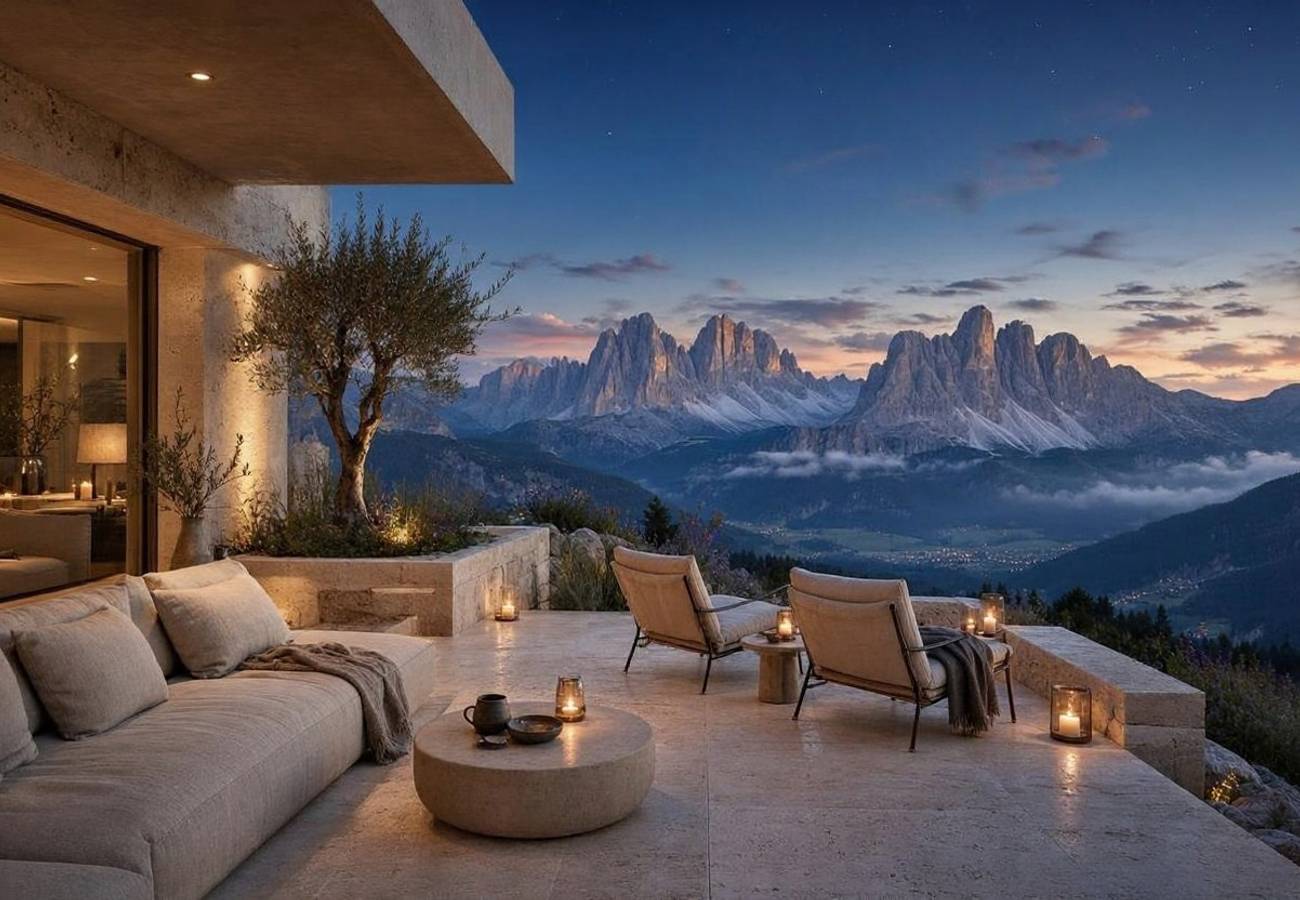
Image generated by AI
Nearly 80 percent of Italy's multi-billion-euro luxury wealth is trapped within just seventeen elite tourist enclaves. While the nation celebrates a massive influx of affluent travelers, a staggering 25 Italian provinces currently possess zero five-star properties, creating a dramatic economic divide between the legendary art cities and the forgotten hinterlands.
The High-Stakes Shift in Italian Hospitality
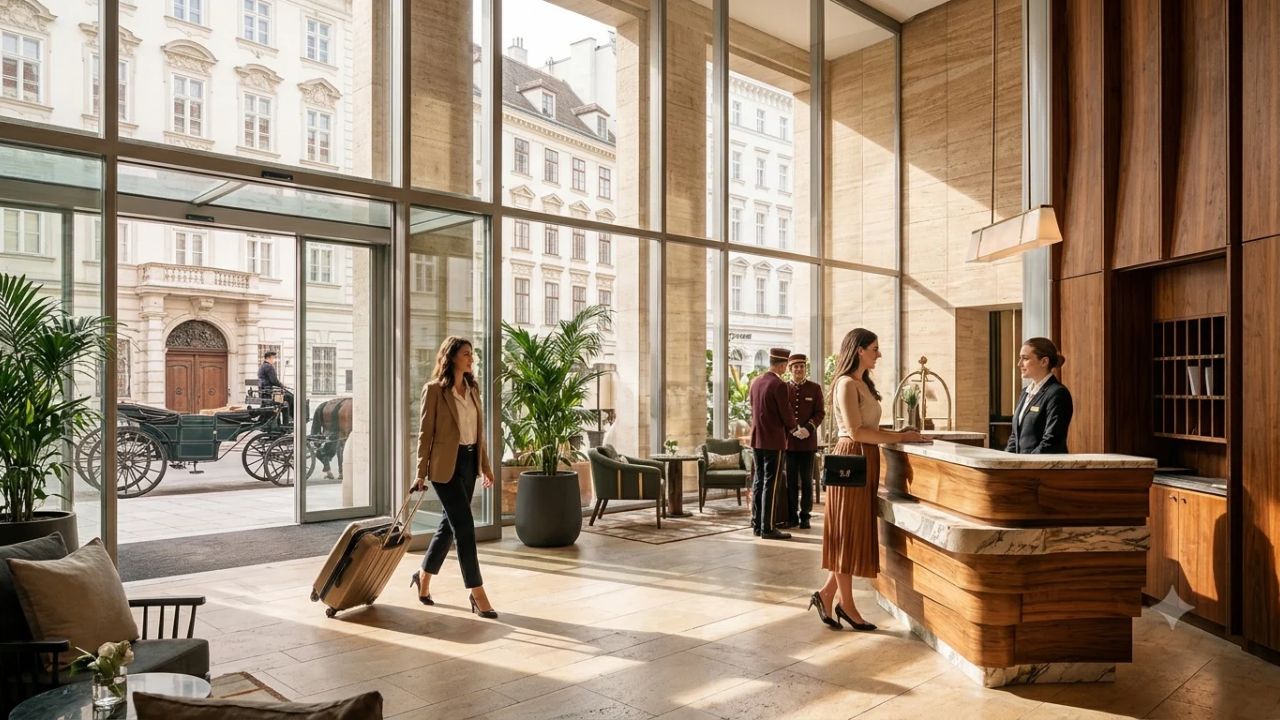
Italy has evolved into a premier sanctuary for global wealth, with the luxury hotel sector now pulling in €10.4 billion in direct tourist spending. This is not merely a trend but a macroeconomic shift; high-end international arrivals have climbed by 5 percent, and overnight stays in five-star establishments have surged by 5.7 percent.
This growth is heavily concentrated. The "big five"—Rome, Bolzano, Venice, Florence, and Milan—command 53.4 percent of the national luxury market. When you expand that list to the top seventeen destinations, the market share jumps to 79.2 percent. For the nomad lawyer or high-net-worth traveler, this means that while the infrastructure in these hubs is world-class, the true "undiscovered" Italy remains largely devoid of top-tier lodging.
The Infrastructure Gap: A Statistical Breakdown
The scarcity of luxury beds is a significant bottleneck for regional development. Currently, five-star properties make up only 4.8 percent of the total hotel capacity in Italy.
| Metric | Value |
|---|---|
| Total Direct Luxury Spending | €10.4 Billion |
| Total Five-Star Hotels | 809 |
| Total Five-Star Bed Capacity | ~110,000 |
| Luxury Arrival Growth | 5% |
| Five-Star Overnight Stay Increase | 5.7% |
| Provinces with Zero 5-Star Hotels | 25 |
| Market Share (Top 17 Destinations) | 79.2% |
| Private Aviation Spending | €1.2 Billion |
What Makes the New Luxury Experience Different
The definition of "luxury" in Italy is pivoting from gold-leaf opulence to ecological stewardship, particularly in the north. In the Dolomites and South Tyrol, carbon-neutral havens are replacing traditional grand hotels.
Data from 2026 indicates that 38 percent of high-net-worth travelers now specifically seek properties with sustainable architecture and green energy certifications. These eco-boutique hotels are not just ethical choices; they are financial powerhouses, commanding an average daily rate 14 percent higher than conventional luxury hotels. By integrating geothermal heating and zero-waste gastronomy, these resorts are successfully attracting a new generation of "eco-elites."
To explore the official guidelines on sustainable travel in the region, visitors should consult the Italian Ministry of Tourism or review the UNESCO World Heritage listings to understand the preservation efforts surrounding these luxury developments.
Visitor Insider Tips
If you are planning a high-end itinerary in 2026, avoid the "tourist trap" luxury circuit by following these local insights:
- The Transit Hack: Private jet and helicopter movements have increased by 11.5 percent. To avoid the congestion of major hubs like Milan or Rome, utilize fixed-base operators (FBOs) for seamless transfers to coastal mega-yachts or rural estates.
- Timing Your Visit: To escape the suffocating crowds of the summer peak, target the "shoulder" seasons of late October and November. Many elite properties in the alpine regions offer bespoke autumn itineraries that are far more exclusive than the July rush.
- Regional Basing: Instead of staying solely in Florence or Venice, look for converted historic palazzos in the outskirts. While 25 provinces lack official five-star ratings, many "luxury boutiques" offer the same level of service without the corporate rigidity.
- Etiquette Note: In the high-end eco-resorts of Bolzano, "quiet luxury" is the rule. Loud displays of wealth are often frowned upon in favor of a minimalist, nature-integrated aesthetic.
Cultural and Environmental Context
The surge in luxury tourism is a double-edged sword. While it provides a macroeconomic shield against inflation and supports local craftsmen, it risks creating "museum cities" where the local population is priced out of their own neighborhoods.
The concentration of 79.2 percent of wealth in a few enclaves has led to severe seasonal congestion. The challenge for Italy now is "geographic redistribution"—incentivizing investors to move away from the saturated markets of Rome and Milan and into the underdeveloped south and rural provinces. This shift is essential to prevent the social fabric of historic centers from tearing under the weight of overtourism.
FAQ: Visiting Italy 2026
What is the best time to visit Italy for luxury travel? Avoid July and August to bypass extreme crowds. The best windows are May to June or September to November, particularly for alpine retreats in South Tyrol where autumn foliage enhances the experience.
Do I need a visa for Italy? Requirements depend on your nationality. Most US and Canadian citizens can enter for short stays without a visa, but always check the latest Italian Embassy updates regarding the ETIAS requirement for 2026.
How do I get between the major luxury hubs? While high-speed rail (Frecciarossa) is efficient for Rome-Florence-Milan, high-net-worth travelers are increasingly using private helicopter charters to bypass urban traffic, contributing to a €1.2 billion auxiliary transport market.
Is it safe for solo luxury travelers? Italy is generally very safe. In high-end districts of Milan and Rome, the primary concern is petty theft (pickpocketing) in crowded areas, though five-star hotels provide highly secure environments.
The true luxury of Italy is no longer found in the gold of the hotels, but in the silence of the provinces.
Related Travel Guides
This article is for informational purposes. Flight routes, passenger regulations, visa rules, and transit advisories are subject to change by airlines and aviation authorities. Readers are advised to verify schedules and travel documentation with relevant carriers and border agencies before departure.
Related Stories
US Hotel RevPAR Surges 11% to $114.80 in September 2026: Analyzing the Luxury and Corporate Recovery