
Colombia Steps Up With Peru and Others as Caminos Andinos Puts Local Tourism Spending Into Focus
Colombia Steps Up With Peru and Others as Caminos Andinos Puts Local Tourism Spending Into Focus

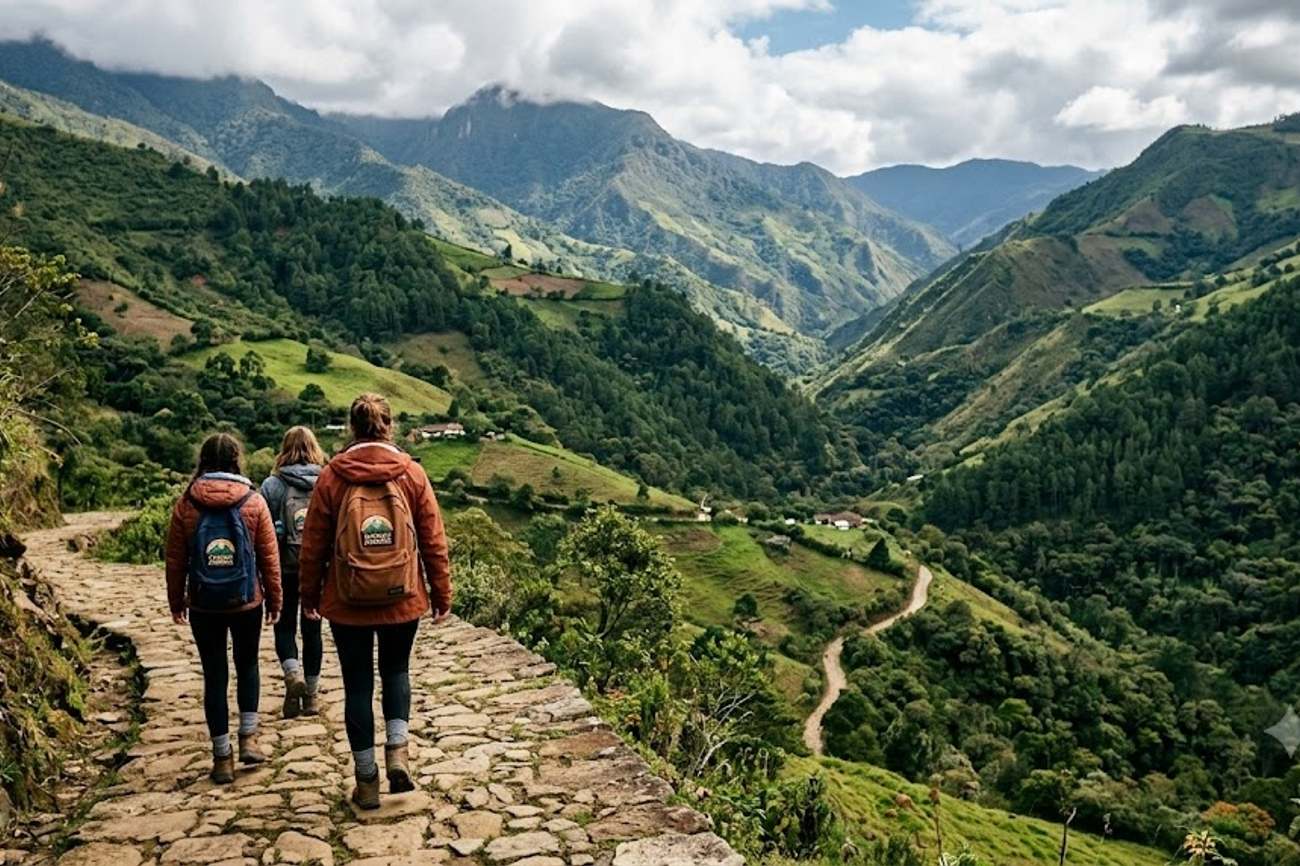
Image generated by AI
[Quito, June 9, 2026] — The Andean Community has expanded the Caminos Andinos tourism platform to encompass 16 distinct routes and 42 destinations across Bolivia, Colombia, Ecuador, and Peru, shifting its strategic focus toward the aggressive international commercialization of regional travel products.
The expansion was formalized during the inaugural Andean Tourism Forum in Quito, where officials and private sector leaders outlined a roadmap to transition the platform from a branding exercise into a structured commercial engine. The initiative aims to capture a larger share of the 12 million non-resident visitors who entered the four-nation bloc in 2025, with a specific mandate to ensure that revenue reaches the micro, small, and medium-sized enterprises (MSMEs) that constitute 80% of the region's tourism sector.
The Revenue Leakage Challenge
The immediate driver behind this strategic shift is a growing concern over "economic leakage"—the phenomenon where tourism spending is captured by international booking platforms and foreign tour operators rather than local providers. While the Andean Community (CAN) has successfully scaled its destination branding, the current B2B structure often bypasses the artisans, guides, and community-based operators who provide the actual experiences.
Tourism currently contributes approximately 2.5% of the regional GDP and supports four million jobs. However, because the vast majority of these businesses are MSMEs, they lack the digital infrastructure and commercial leverage to negotiate fair terms with global distributors. The forum in Quito emphasized that without public-private coordination, the increase in international demand will not necessarily translate into increased wealth for the rural and Indigenous communities hosting the tourists.
Markets and Routes Impacted
The Caminos Andinos framework creates a multi-country inventory that allows operators to build thematic itineraries across borders. The following table outlines the current scale and economic projections for the involved nations:
| Country | 2026 Growth Projection | Primary Focus Area | Key Gateway/Infrastructure |
|---|---|---|---|
| Ecuador | 11.6% | Market-data exercises | Quito / Guayaquil |
| Bolivia | 10.3% | Benefit-sharing frameworks | La Paz / Santa Cruz |
| Colombia | ~6% | Fair-trade pricing (Destinos Justos) | El Dorado / Simón Bolívar |
| Peru | ~6% | Community-tourism regulation | Lima / Cusco |
In Colombia, the impact is most visible through the "Destinos Justos" program launched in July 2026. This fair-trade initiative operates across 12 territorial groupings, including Bogotá and Cundinamarca, as well as La Guajira and Magdalena. By providing "bootcamps" for up to 30 participants per territory, the Colombian government is attempting to teach traditional cooks, artisans, and guides how to implement fair-pricing strategies and territorial marketing.
Practical Traveler Advisory and Strategic Insights
For the individual traveler or travel agent, these systemic changes translate into a shift in how Andean itineraries are structured and priced.
First, there is a move toward "dispersal." Instead of staying exclusively in major hubs like Bogotá or Lima, travelers are being encouraged to move into the Altiplano Cundiboyacense route (connecting Zipaquirá, Guatavita, Villa de Leyva, Tunja, and Paipa) or the Camino Caribe Colombiano (linking Magdalena, La Guajira, and Cesar).
Second, travelers should expect a more formalized "fair trade" labeling system in Colombia. The Destinos Justos program is designed to ensure that the price paid for a guided tour or a piece of Wayúu handicraft goes directly to the producer. This may result in slightly higher, but more transparent, pricing for "certified" community experiences.
Third, the availability of information is expanding. To attract a broader global demographic, the Caminos Andinos platform is now fully operational in English, Mandarin Chinese, and Arabic, reducing the reliance on third-party intermediaries for itinerary planning.
Infrastructure and Gateway Developments
The success of these routes depends heavily on aviation and maritime access. In Colombia, El Dorado International Airport in Bogotá serves as the primary entry point for the Altiplano routes. Meanwhile, the Simón Bolívar International Airport in Santa Marta is the critical link for the Caribbean routes.
A significant infrastructure update is currently underway in Santa Marta. As of September 17, 2026, the National Tourism Fund (Fontur) is restructuring the city's tourism-pier project. The original plan for six facilities is being scaled back to four modernized jetties. This project is currently in the restructuring and approval phase and is intended to integrate local traders and service providers directly into the maritime arrival chain, preventing the "airport-to-hotel" bubble that often excludes local vendors.
Divergent National Strategies
While the Caminos Andinos platform provides a unified regional face, the four member nations are employing different regulatory tools to protect local revenue:
- Colombia: Focusing on fair-trade pricing and business training through the Destinos Justos bootcamps.
- Peru: Implementing strict community-tourism regulations to govern how Indigenous lands are accessed and monetized.
- Ecuador: Conducting intensive market-data exercises to understand exactly where visitor spending is leaking out of the local economy.
- Bolivia: Developing a benefit-sharing framework to ensure a percentage of tour operator profits return to the community.
These varied approaches indicate that while the region wants a unified brand for the World Tourism Organization (UNWTO) and international markets, the actual management of the money remains a national sovereign priority.
FAQ: Andean Community Tourism 2026
What is Caminos Andinos? It is a regional tourism platform linking 16 routes and 42 destinations across Bolivia, Colombia, Ecuador, and Peru, designed to promote ancestral heritage, gastronomy, and natural landscapes through a unified brand.
How does the "Destinos Justos" program affect my trip to Colombia? You will likely encounter more certified fair-trade operators in regions like La Guajira and Bogotá. This ensures your payments directly support local artisans and guides rather than middle-men.
Which airports are the best gateways for these new routes? El Dorado International Airport (Bogotá) is the main hub for the Altiplano routes, while Simón Bolívar International Airport (Santa Marta) is the primary gateway for the Caribbean Andean routes.
Are the 2026 growth projections guaranteed? No. The projections (11.6% for Ecuador, 10.3% for Bolivia, and 6% for Colombia/Peru) are estimates provided by the Andean Community to justify the need for better revenue distribution systems.
The Andes are open for business, but the fight is now over who actually keeps the profit.
Related Travel Guides
Disclaimer
This article is for informational and educational purposes only. It does not constitute legal, financial, or professional advice. While we strive to provide accurate and up-to-date information, travel policies, regulations, and conditions change rapidly. Always verify information with official sources before making travel decisions. Nomad Lawyer makes no representations about the accuracy, reliability, completeness, or suitability of the information provided. Readers should consult qualified professionals for advice specific to their circumstances. The views expressed in this article are those of the author and do not necessarily reflect the views of Nomad Lawyer.
Naina Thakur
Contributor & Travel Specialist
Travel enthusiast and legal writer covering visa regulations, responsible tourism, and cultural journeys across global destinations.
Learn more about our team →