Bypassing Auckland: Christchurch Adds 1.27 Million International Seats in South Island Tourism Surge

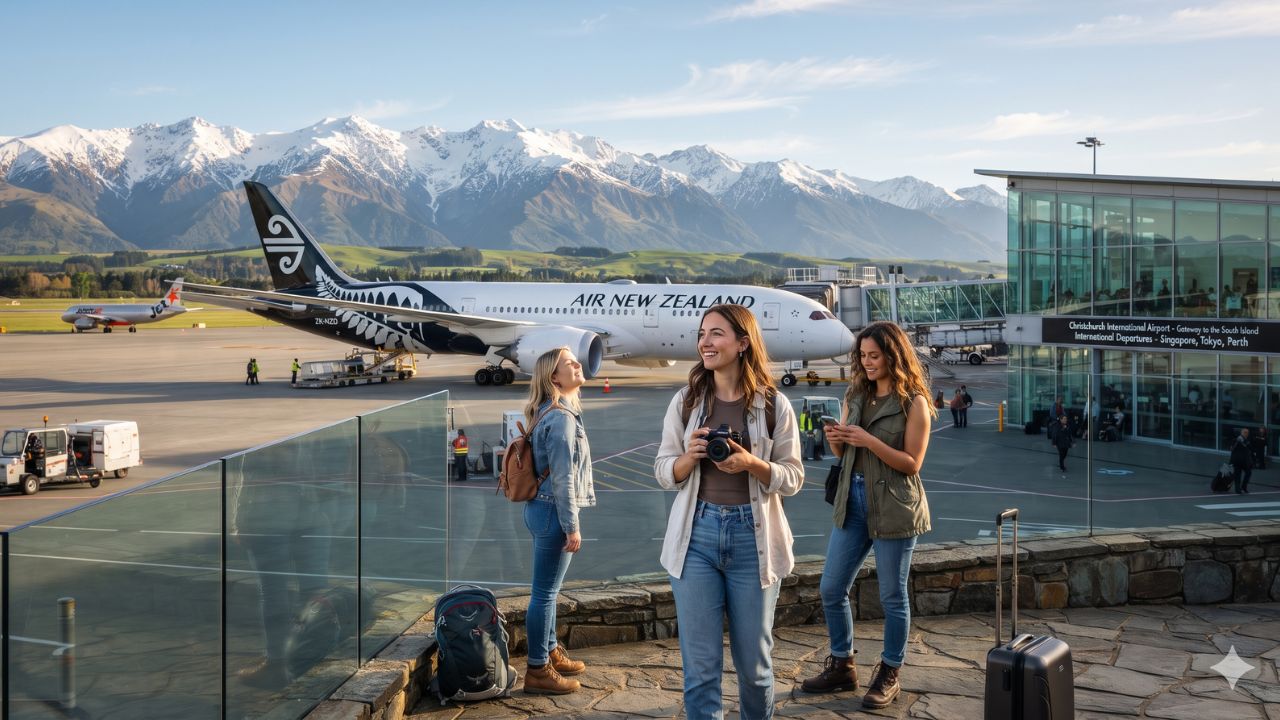
While 91 percent of New Zealanders acknowledge international tourism powers their economy, 83 percent voice deep concern over environmental wear, sparking a national drive to disperse arriving flyers away from congested hotspots directly into regional alpine communities.
Between November 2026 and March 2027, Christchurch Airport will handle more than 1.27 million scheduled international seats—a record 21 percent jump over the previous southern summer. Spurred by Air New Zealand's deployment of restored Boeing 787 Dreamliners and long-term network agreements signed on 20 May 2026, the Garden City is establishing direct long-haul air bridges to Asia, Australia, and the Pacific. By bypassing domestic transfer bottlenecks in Auckland, international travelers land directly on the doorstep of the Southern Alps, transforming how visitors access Canterbury, Kaikōura, the West Coast, and the Mackenzie Basin.
Strategic Long-Haul Corridors: Singapore, Tokyo, Perth, and Bali
The cornerstone of Christchurch’s aviation resurgence is direct intercontinental capacity. On 28 October 2026, Air New Zealand launched non-stop service between Christchurch and Singapore Changi, subsequently locking the route into year-round operation. As Southeast Asia’s premier global transit hub, Singapore provides single-connection European and Asian itineraries straight into the South Island.
The international expansion accelerates further with scheduled services linking Tokyo Narita starting 28 November 2026 and Perth taking off on 30 November. Looking ahead to winter 2027, Air New Zealand plans to inaugurate a thrice-weekly direct connection to Denpasar, Bali.
Long-haul seat capacity into Christchurch has jumped by 54 percent for the 2026–27 summer season, injecting approximately 130,000 additional long-distance seats. Trans-Tasman and Pacific Island connections are expanding in parallel, rising 11 percent to contribute 89,000 new seats. Global alliance partners—including Singapore Airlines, Cathay Pacific, China Southern, Qantas, Jetstar, and Fiji Airways—are matching this surge with increased widebody frequencies into Canterbury.
International Seat Capacity and Regional Dispersal Funding
Government agencies and regional tourism boards are coordinating infrastructure investments to prevent visitor crowding around Queenstown and Milford Sound, steering international arrivals toward lesser-known regional towns.
| Tourism & Aviation Metric | Recorded Baseline / Growth Count | Administering Body / Carrier | Strategic Visitor Outcome |
|---|---|---|---|
| Total International Summer Seats | 1.27 million seats (+21% YoY) | Christchurch Airport (Nov 2026 – Mar 2027) | Bypasses North Island domestic transfers |
| Long-Haul International Capacity | +54% increase (+130,000 seats) | Air New Zealand & Global Carriers | Direct arrivals from Singapore, Tokyo, China |
| Trans-Tasman & Pacific Capacity | +11% increase (+89,000 seats) | Qantas, Jetstar, Air NZ, Fiji Airways | Direct Australian flights from Perth, Sydney |
| Regional Tourism Boost Fund | NZ$5.0 million allocation | MBIE (Announced Sept 2026) | Promotes spring/early summer regional travel |
| Off-Peak Travel Marketing Fund | NZ$3.69 million total funding | MBIE (Announced Jan 2026) | NZ$1M led by ChristchurchNZ for alpine routes |
| Annual International Visitor Count | 3.67 million (Year ending June 2026) | MBIE / Stats NZ (94% of 2019 levels) | Spending recovered to 98% of 2019 baseline |
| US & Australian Visitor Recovery | 105% of pre-pandemic arrivals | Tourism New Zealand | Strong demand for wilderness ecotourism |
| Tourism Sentiment Survey Findings | 91% positive / 83% eco concerns | Ministry of Business, Innovation & Employment | Urgency for low-impact visitor distribution |
To ensure smaller townships capture visitor spending, New Zealand's Ministry of Business, Innovation and Employment (MBIE) distributed NZ$5 million through its Regional Tourism Boost fund in September 2026, targeting travelers from Australia, North America, and China. This followed a January allocation of NZ$3.69 million for shoulder-season marketing, including NZ$1 million granted to ChristchurchNZ to promote alpine journeys across the central South Island.
Road Gateways Beyond the Terminal: Kaikōura, Tekapo, and Aoraki
Landing directly in Christchurch reduces vehicle driving times to premier ecotourism corridors by an entire travel day compared to driving south from Auckland and boarding Cook Strait ferries.
Heading north along State Highway 1 brings travelers to the marine sanctuary of Kaikōura in two and a half hours, where deep oceanic trenches support resident sperm whales, dusky dolphins, and fur seal colonies. Heading two hours southwest through the Canterbury Plains leads into the Mackenzie Country, home to the striking turquoise waters of Lake Tekapo and Lake Pukaki.
Tekapo sits within the Aoraki Mackenzie International Dark Sky Reserve, one of the world's premier stargazing reserves. Continuing into Department of Conservation (DOC) territory brings travelers to Aoraki/Mount Cook National Park, home to New Zealand's highest summit (3,724 meters) and the Tasman Glacier moraines. Regional interline agreements between Air New Zealand and domestic regional carriers like Air Chathams make connecting flights to remote destinations like the Chatham Islands straightforward.
Visitor Insider Tips for South Island Road Journeys
Exploring the South Island during peak summer demands local road knowledge and etiquette:
- Book Campervans and Hybrid Rental Cars Months Ahead: Because Christchurch Airport is absorbing 130,000 additional long-haul visitors, local car rental depots face severe vehicle pinches from December through February. Reserve rental vehicles well before confirming flights, and select hybrid models to reduce fuel expenses on mountainous highways.
- Observe Dark Sky Stargazing Etiquette in Tekapo: When visiting the Church of the Good Shepherd or Mount John Observatory at night, vehicle headlights and white phone flashlights disturb astronomical observation. Switch torches to red-light mode, park in designated outer lots, and dim vehicle running lights when approaching lakefront viewpoints.
- Respect Single-Lane Bridges Across Canterbury: South Island alpine routes feature dozens of historic single-lane timber bridges. Observe right-of-way circular road signs: a large white arrow indicates your right-of-way, while a red arrow mandates yielding to oncoming vehicles already on or approaching the span.
- Sample Local Canterbury Provisions: Before setting out into backcountry national parks, explore Christchurch's Riverside Market on Oxford Terrace. Stock up on Canterbury-grown cherries, smoked King Salmon from Akaroa Harbour, and artisanal sheep-milk cheeses produced in the Banks Peninsula volcanic hills.
Cultural Stewardship and Environmental Carrying Capacity
The tension highlighted in the national Tourism Sentiment Survey—where 83 percent of citizens identified environmental downsides and 81 percent noted community pressures—is shaping New Zealand’s tourism policy. Fragile subalpine gravel tracks, DOC walking huts, and single-lane highway corridors were not engineered for unmanaged visitor overcrowding.
In response, regional tourism managers are emphasizing the Māori principle of kaitiakitanga (guardianship and protection of the natural world). Visitors are urged to take the Tiaki Promise, committing to act as guardians of nature, drive carefully on rural roads, and camp exclusively in designated council or DOC campsites equipped with proper sanitation facilities. By landing in Christchurch and venturing toward quiet regional towns like Oxford, Geraldine, and Hokitika rather than sticking strictly to Queenstown, travelers directly support family-run guesthouses while preserving New Zealand’s pristine wilderness areas.
Frequently Asked Questions
Which international airlines fly directly into Christchurch?
Air New Zealand operates non-stop routes to Singapore, Tokyo Narita, and Perth, with Bali launching in winter 2027. International partners including Singapore Airlines, Cathay Pacific, China Southern, Qantas, Jetstar, and Fiji Airways also operate scheduled direct flights.
How far is Aoraki/Mount Cook from Christchurch Airport?
Aoraki/Mount Cook National Park is approximately 330 kilometers southwest of Christchurch Airport, requiring about four hours of scenic driving via State Highway 1 and State Highway 8 through Fairlie and Lake Pukaki.
When is the peak summer travel window in Christchurch?
The primary summer travel season spans from November through March, with peak visitor volume and long-daylight hiking conditions concentrated between Christmas and late February.
Landing directly in Christchurch opens an effortless gateway to dramatic southern fjords and star-filled alpine skies without the delays of city transfers.
Related Travel Guides
This article is for informational purposes. Flight routes, passenger regulations, visa rules, and transit advisories are subject to change by airlines and aviation authorities. Readers are advised to verify schedules and travel documentation with relevant carriers and border agencies before departure.
Related Stories

Saint Kitts to St. Barths Direct: Anguilla Air Services Unlocks Leeward Island Hopping
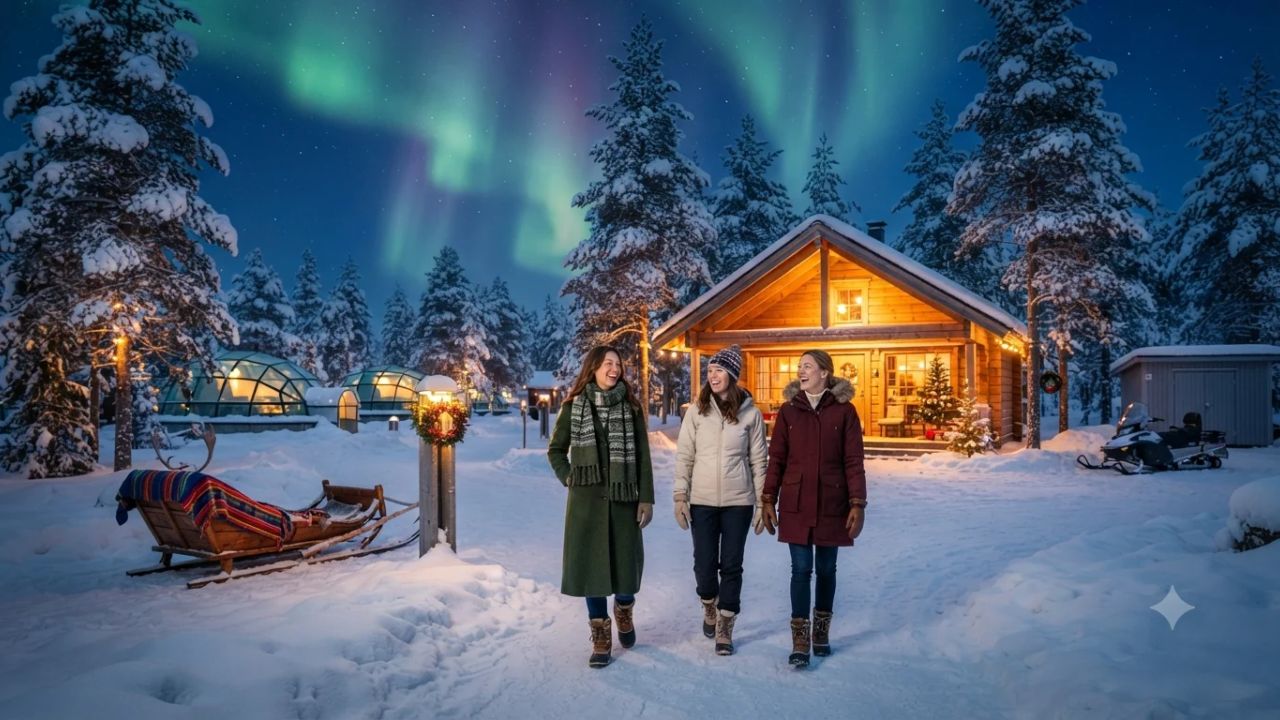
Finland, Sweden, and Nordic Capitals Lead Christmas Travel Surge with Guaranteed Snow and Sustainable Winter Tourism