China Steps Up with Laos in Cross-Border Payment Breakthrough Unlocking Smarter Tourism Experiences

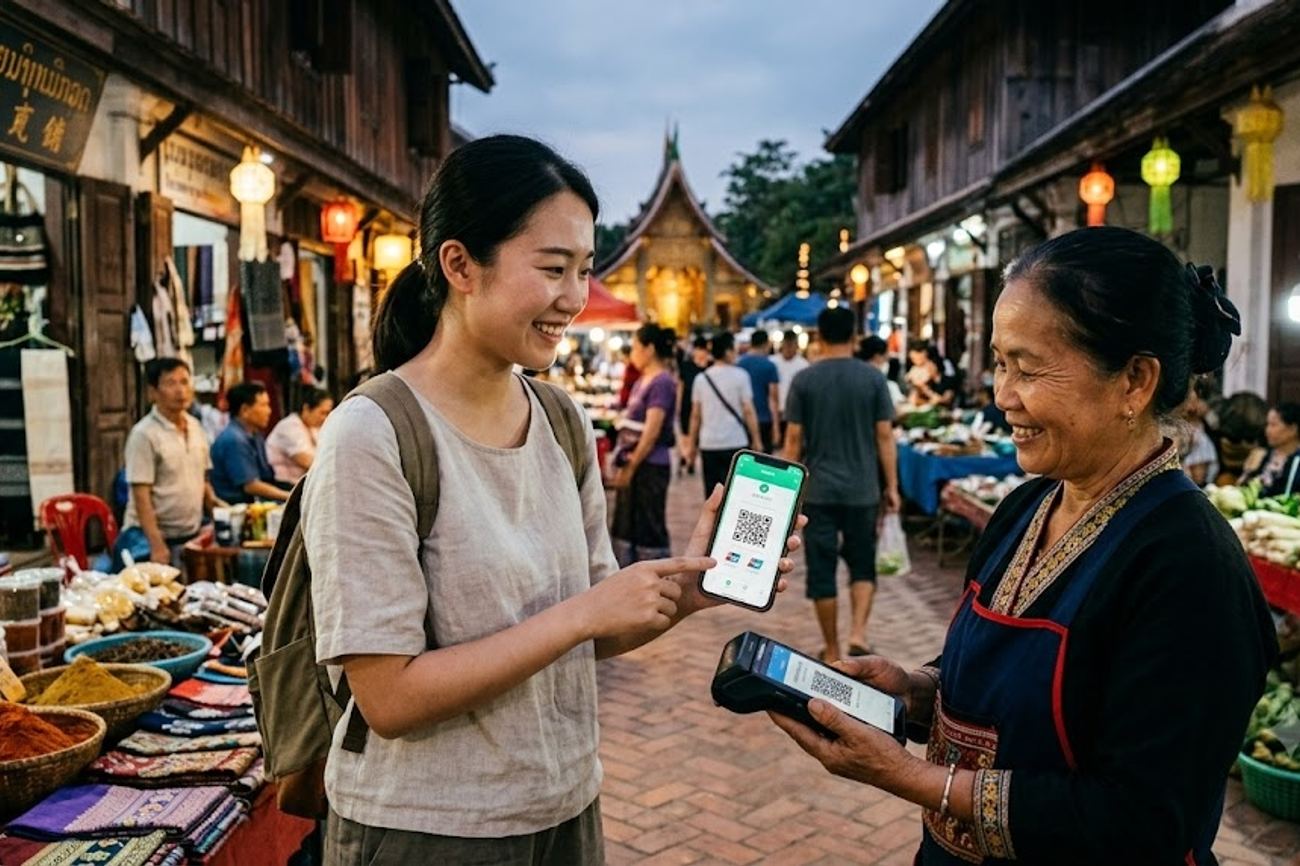
Image generated by AI
[Nanning, August 2026] — China and Laos have launched the China-Laos Cross-Border Digital Payment Connect, a financial integration that allows the digital yuan to interface directly with Lao QR payment networks. The initiative aims to eliminate currency exchange friction for tourists and businesses operating across the two borders.
The system was formally introduced in Nanning, China, through a joint effort between the People's Bank of China and Lao financial institutions. By bridging China’s central bank digital currency (CBDC) with local commercial bank QR codes in Laos, the two nations are attempting to digitize the tourism economy to match the physical infrastructure provided by the China-Laos Railway.
The Integration of Digital Yuan and Lao QR
The primary trigger for this launch is the surge in cross-border mobility facilitated by the China-Laos Railway, which has been operational since 2021. Data indicates a sharp rise in demand for seamless transit; in the first eight months of 2026, the railway recorded 245,000 cross-border trips.
Financial authorities identified a gap between the ease of physical transport and the difficulty of financial transactions. Until now, travelers relied heavily on cash exchanges or traditional international payment rails that often involve high fees and multi-day settlement periods. The new "Connect" system allows Chinese nationals to use their digital yuan wallets to pay Lao merchants instantly via QR codes, bypassing the need for physical currency conversion at the point of sale.
Market and Passenger Impact
The rollout specifically targets the tourism and retail sectors, shifting the digital yuan's utility from high-value institutional settlements to retail-level consumer spending.
The following sectors and groups are directly impacted:
- Chinese Tourists: Now possess a direct digital payment route for dining, shopping, and hotel bookings within Laos.
- Lao Small Businesses: Local merchants and street vendors can now accept digital yuan through existing QR infrastructure provided by Lao commercial banks.
- Tourism Operators: Hotel and tour providers in Laos gain improved cash flow due to the near-instant settlement speeds of CBDC technology.
- Logistics and Service Providers: The system extends beyond tourism to include healthcare, education, and logistics payments.
Practical Traveler Advisory and Strategic Insights
For a passenger booking a trip from China to Laos today, the practical impact is a reduction in "wallet anxiety." Travelers no longer need to carry large sums of Lao Kip or rely on ATMs that may not support foreign cards.
China and Laos have officially launched a cross-border payment system, aiming to facilitate smoother transactions for tourists and businesses alike. This breakthrough is expected to unlock smarter tourism experiences, with visitors able to pay for services and goods using a unified payment platform. For more information on travel requirements and regulations, visitors can check the official website of the Civil Aviation Administration of China for the latest updates on flight schedules and passenger logistics.
If you are a Chinese national traveling to Laos, you can now maintain your existing digital spending habits. Upon arrival, you can scan a participating merchant's QR code using your digital yuan wallet, and the transaction will process in real-time. For the traveler, this means no more calculating exchange rates manually or searching for currency exchange kiosks at the border or railway stations.
For Lao business owners, this means a lower barrier to entry for attracting Chinese spending. By simply utilizing the QR systems offered by their local banks, they can tap into the spending power of the 245,000+ annual railway passengers without needing to manage physical foreign currency.
The Shift Toward Regional Digital Finance
This move signals a broader strategic pivot for the digital yuan. Previously, the currency was utilized primarily for large-scale business settlements and government-to-government transactions. The Laos integration marks its transition into a tool for "everyday travel use."
The technical backbone of this system relies on a specialized cross-border financial infrastructure designed to accelerate settlement. While traditional international transfers can take several days to clear, the digital yuan infrastructure allows for near-instantaneous fund movement. This efficiency is expected to encourage higher spending volumes at local attractions and retail outlets, as the friction of payment is removed.
The new payment system is anticipated to boost tourism between the two countries, with Laos expecting an increase in Chinese visitors. To plan their trip, tourists can visit the official website of the Laos National Tourism Administration for insights into the country's top destinations, cultural events, and travel tips. With this new development, passengers can enjoy a more seamless travel experience, from booking flights to exploring the local culture, making the most of their time in Laos.
This development mirrors a wider trend across Asia, where nations are increasingly bypassing traditional Western-led payment systems in favor of bilateral digital currency agreements to bolster regional trade and tourism.
FAQ: China-Laos Digital Payments 2026
Do I need a special app to use the digital yuan in Laos? Chinese travelers can use their existing digital yuan wallets. Lao merchants must use QR codes supported by their local commercial banks that are integrated into the Cross-Border Digital Payment Connect system.
Is this payment system available at all shops in Laos? The system is available at participating merchants. While the goal is widespread adoption, travelers should look for the specific QR codes provided by Lao commercial banks that support the China-Laos connection.
How does this differ from using a credit card? Unlike credit cards, which may involve foreign transaction fees and slow settlement times for the merchant, this system uses CBDC technology for near-instant settlement and removes the need for traditional currency exchange.
Does this affect the China-Laos Railway bookings? While the railway provides the physical transport, this system handles the spending once you arrive. It complements the 245,000 cross-border trips recorded in early 2026 by making the destination more financially accessible.
Digital rails are now matching the iron ones.
Related Travel Guides
- China Follows South Korea in Triggering Bohol Tourism Slump Due to Rising Costs, Airline Cuts and Market Shifts
- South Korea Travellers Ignite Japan Travel Boom as Chuseok Holiday Sparks Massive Demand for Osaka Tokyo and Fukuoka Escapes
- United Kingdom Inspires Travellers with Dreamy Towns Full of History and Sea Views
This article is for informational purposes. Flight routes, passenger regulations, visa rules, and transit advisories are subject to change by airlines and aviation authorities. Readers are advised to verify schedules and travel documentation with relevant carriers and border agencies before departure.
Related Stories

Tunisia Accelerates Tourism Pivot to Asia and High-Yield UNESCO Heritage Circuits Following Record 2026 Revenue

Zen Awakening Festival 2026: Florida's Transformational Music, Mindfulness, and Arts Gathering in Fruitland Park