United Kingdom Inspires Travellers with Dreamy Towns Full of History and Sea Views

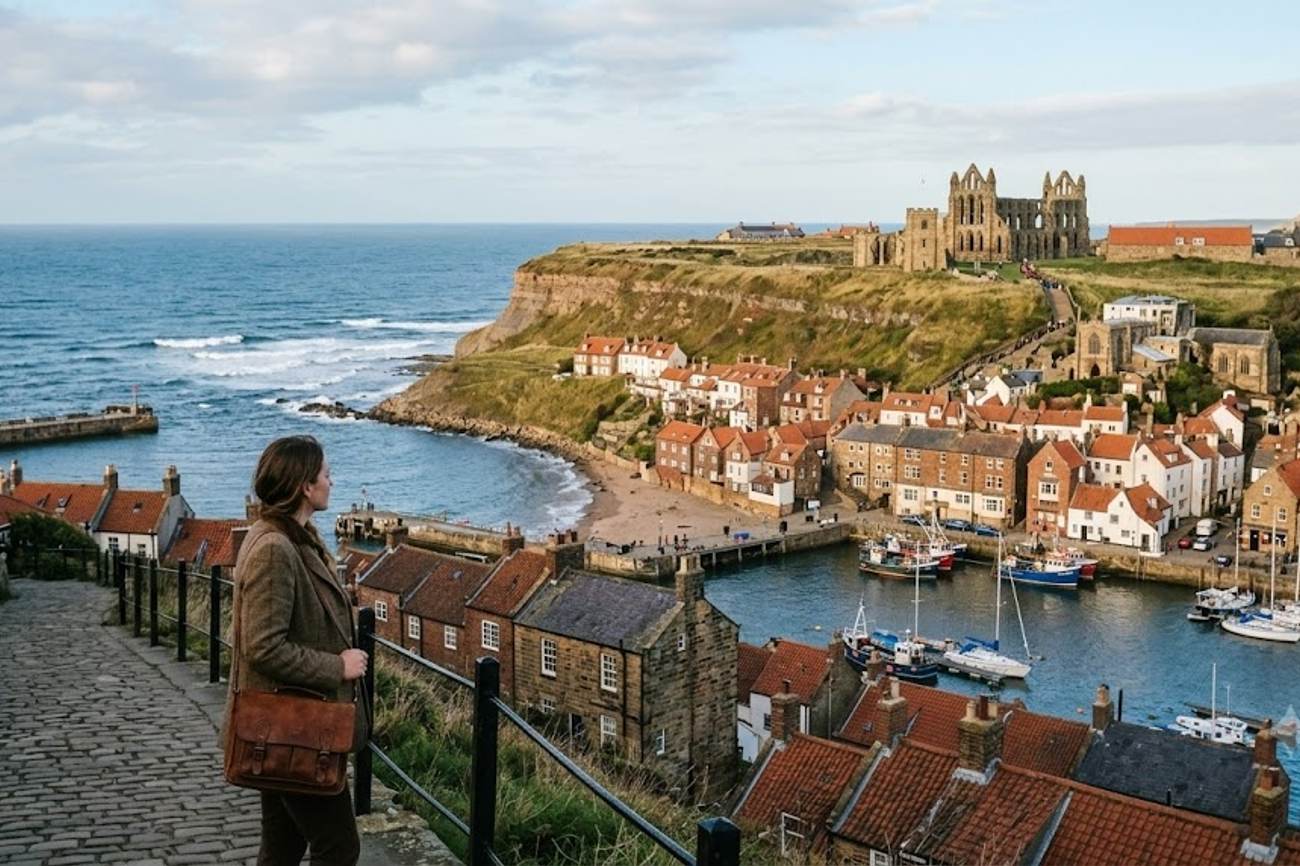
Image generated by AI
[London, October 2023] — The United Kingdom is seeing a strategic shift in tourism patterns as travelers pivot away from primary metropolitan hubs in favor of historic small towns and coastal settlements. This trend emphasizes "slow travel," with increasing visitor numbers flowing into specialized regional markets including East Sussex, the Cotswolds, Wiltshire, Cornwall, and Shropshire.
The movement is driven by a demand for intimate, heritage-focused experiences that prioritize pedestrian exploration over high-traffic city sightseeing. Current data indicates that destinations such as Rye, Chipping Campden, Bradford on Avon, St Ives, and Ludlow are becoming primary targets for short-break travelers seeking a combination of maritime history, medieval architecture, and regional gastronomy.
The Catalyst for Regional Migration
The surge in interest for these specific locales is triggered by a broader consumer shift toward "experience-based" tourism. Travelers are increasingly bypassing the traditional London-centric itinerary to seek out settlements that offer a tangible connection to England's historical identity.
In the south, the attraction is rooted in maritime defense and coastal aesthetics. In the midlands and west, the draw is the preservation of medieval trade hubs and the integration of natural landscapes—such as the Shropshire Hills and the Cotswold Way—into the urban layout. This diversification of travel routes is easing some pressure on major city centers while placing new demands on the infrastructure of smaller municipalities.
Impacted Destinations and Regional Profiles
The following table outlines the specific markets currently experiencing this influx of tourism and the primary drivers of their appeal:
| Destination | Region | Primary Draw | Key Infrastructure/Landmarks |
|---|---|---|---|
| Rye | East Sussex | Maritime History | Mermaid Street, Ypres Tower, Lamb House |
| Chipping Campden | Cotswolds | Market Heritage | 1627 Market Hall, Church of St James |
| Bradford on Avon | Wiltshire | Riverine Landscapes | 13th-century Town Bridge, Tithe Barn |
| St Ives | Cornwall | Art & Coastal Light | Tate St Ives, Barbara Hepworth Museum |
| Ludlow | Shropshire | Gastronomy & Ruins | Ludlow Castle, Shropshire Hills |
Practical Traveler Advisory and Strategic Insights
For those booking trips to the UK, this shift in popularity means that "hidden gems" are no longer hidden. The transition from corporate city hotels to independent boutique stays in these towns has created several practical implications for the modern traveler:
1. Transport Logistics and Accessibility Many of these towns have narrow, cobbled streets that are hostile to rental cars. For example, in St Ives, the local infrastructure cannot support high summer vehicle volumes. Travelers are strongly advised to utilize the National Rail network. Specifically, the St Erth park-and-ride system is now the recommended entry point for Cornwall's coast to avoid gridlock.
2. Accommodation Availability Because these towns rely on small-scale independent shops and guesthouses rather than large hotel chains, inventory is limited. A "one or two-night break" in Rye or Chipping Campden now requires advanced booking, particularly during the spring (for greenery) and autumn (for foliage).
3. Pedestrian-First Itineraries The geography of these towns favors the walker. In Bradford on Avon, the proximity to the Kennet and Avon Canal and the 15-minute train link to Bath makes it a viable "satellite base." Travelers should prioritize comfortable footwear and lightweight luggage, as steep cobbled lanes in Rye and Ludlow make wheeled suitcases difficult to manage.
The United Kingdom is home to a plethora of dreamy towns that inspire travellers with their rich history and breathtaking sea views, from the picturesque fishing villages of Cornwall to the stunning coastal towns of Scotland. For those planning to visit these towns, it is essential to check the latest travel requirements and guidelines on the UK Government website to ensure a smooth and hassle-free journey. By doing so, travellers can make the most of their trip and enjoy the unique experiences that each town has to offer.
4. Cultural Integration Visitors are no longer just sightseeing; they are engaging with regional economies. In Ludlow, the focus has shifted toward "food tourism," where the local market and regional produce are as significant as the castle ruins.
Infrastructure and Future Outlook
The long-term sustainability of these towns depends on their ability to balance tourism growth with the preservation of their "dreamy" atmosphere. Regulatory bodies and local councils are increasingly looking at ways to manage foot traffic without destroying the intimacy that attracts visitors in the first place.
The VisitBritain agency continues to promote the dispersion of tourists away from "honey-pot" sites toward these regional alternatives. We expect to see further investment in rural rail links and pedestrianization projects to accommodate the rise in "slow travel" enthusiasts.
In the Cotswolds, the 104-mile Cotswold Way remains a primary artery for hikers, and there is an ongoing effort to integrate the trail's endpoints, such as Chipping Campden, with better local transport options to reduce carbon footprints. Similarly, the integration of modern art galleries like Tate St Ives into traditional fishing villages serves as a blueprint for how the UK can blend contemporary cultural investment with historical preservation.
FAQ: UK Regional Travel 2023
What is the best way to visit St Ives without a car? Travelers should take the train to St Erth and then use the branch line into St Ives. This avoids the limited town parking and provides a scenic coastal approach.
Are these small towns suitable for short trips? Yes. Destinations like Rye and Bradford on Avon are optimized for 24-to-48-hour visits, offering a dense concentration of walkable historic sites and independent dining.
Which town is best for those interested in art and design? St Ives is the premier choice due to the presence of Tate St Ives and the Barbara Hepworth Museum, while Ludlow and Chipping Campden offer more craft- and architecture-based interests.
How do I navigate the Cotswolds without a vehicle? Utilize the Cotswold Way for walking and rely on regional rail links. Towns like Chipping Campden are walkable once you arrive, though inter-village travel typically requires a pre-booked taxi or local bus.
The era of the mega-city vacation is receding as the quiet, cobbled lanes of regional England take center stage.
Related Travel Guides
This article is for informational purposes. Flight routes, passenger regulations, visa rules, and transit advisories are subject to change by airlines and aviation authorities. Readers are advised to verify schedules and travel documentation with relevant carriers and border agencies before departure.
Related Stories

Zen Awakening Festival 2026: Florida's Transformational Music, Mindfulness, and Arts Gathering in Fruitland Park

Thailand Tourism Slowdown Tests Small Businesses as Kingdom Pivots to High-Yield Travel and Secondary Provinces