
Green Corridors: Chile Launches 500-Kilometer Intermodal Freight Trial
Chile combines electric trucks and freight rail across 500 km. Read about EFE's Lampa launch, San Antonio port upgrades, and past Temuco pilots.

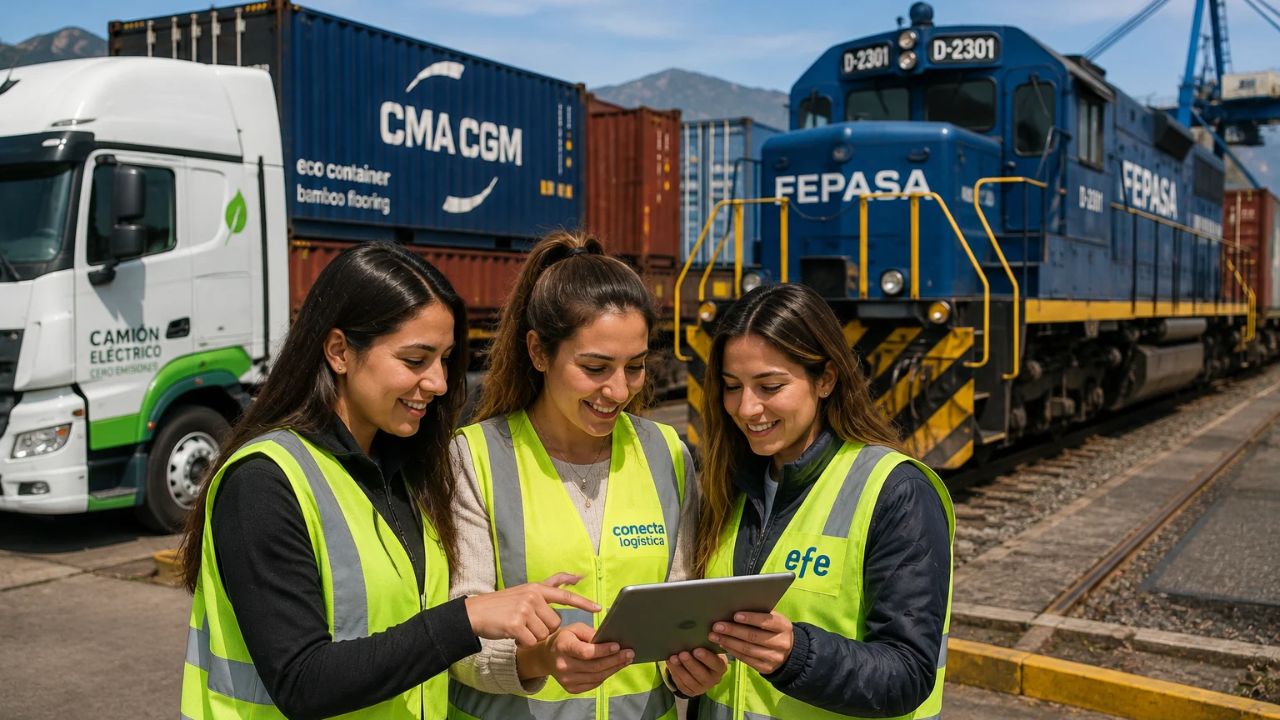
Image generated by AI
Chile has launched a major sustainable transportation trial combining electric trucks and freight rail across a 500-kilometer corridor from Santiago to the Biobío Region. Supported by a US$23 million investment at the Port of San Antonio, this intermodal pilot aims to reduce highway congestion and carbon emissions.
Reorganizing North-South Transit Links
Like many long, narrow nations, Chile’s distribution network is heavily reliant on long-haul road transport. Moving cargo from the agricultural and industrial heartlands to central ports and cities requires thousands of heavy trucks, leading to highway congestion, road wear, and high carbon emissions. In response, Chile’s Ministry of Public Works, Transport and Telecommunications is collaborating with EFE (the state railway company) and private logistics firms to test a more sustainable intermodal logistics model.
The basic principle behind intermodal transit is to assign each leg of the journey to the most appropriate transport mode. Electric trucks handle flexible first- and last-mile road transfers, while freight rail manages the long-haul movement. Restructuring transit in this manner reduces the volume of long-distance trucks on the country’s highways, creating a cleaner and safer transit system for passenger vehicles.
The Santiago-Biobío Corridor and Key Stakeholders
The 500-kilometer "Intermodal Logistics Experience" connects Chile's Metropolitan Region around Santiago with the Biobío Region in the south-central part of the country. The official launch took place at Agunsa’s logistics facility in Lampa, located north of Santiago.
The project is coordinated by several public and private representatives:
- Public Leadership: Louis de Grange, Minister of Public Works, Transport and Telecommunications, and Jorge Claude, President of EFE.
- Logistics Coordination: Mabel Leva, Executive Director of Conecta Logística, which oversees regional transport research.
- First-and-Last Mile road Transfer: Private carrier Sotraser operates the road legs, utilizing electric vehicles from its fleet to carry cargo from factories to urban transfer hubs.
- Interchange Facilities: Agunsa manages transfer operations at its Santiago facility, while Sitrans coordinates cargo transfers in the Biobío Region.
- Railway Transport: Fepasa operates the rail leg, carrying containerized cargo to the port city of Talcahuano.
To test the system’s adaptability across different industries, participating businesses are transporting a variety of cargo, including food, wine, retail goods, beverages, ceramics, and cement.
Data Integration and Emissions Monitoring
Chile is treating the Santiago-Biobío pilot as a research project to measure the economic and environmental benefits of intermodal logistics. CATLEC (the Advanced Centre for Transportation, Logistics and Economic Competitiveness) is monitoring the trial:
- GPS Tracking: Continuous location monitoring verifies delivery times and transit delays.
- Locomotive Telemetry: Telemetric data records energy consumption, operating speeds, and mechanical performance.
- Emissions Analysis: Researchers compare the carbon footprint of the intermodal route with traditional long-haul trucking to calculate environmental benefits.
Collecting real operational data ensures that future policy decisions are backed by evidence of commercial viability.
Building on the 2024 Temuco Pilot and Port Expansion
This intermodal trial is part of a gradual strategy. It builds on a previous pilot carried out in 2024 between Santiago and Temuco, which successfully transported 32,000 liters of beverages via intermodal rail. That pilot marked the first time in over 15 years that rail freight was operated on that specific corridor.
At the same time, Chile is investing in port infrastructure to support this rail integration. EFE is developing the Barrancas Intermodal Terminal at the Port of San Antonio, the country’s principal port system. Funded by an investment of approximately US$23 million, the project will increase rail freight capacity at the port fivefold (5x). By transferring maritime shipping containers directly onto trains, the terminal will reduce the number of trucks traveling between ports and major inland cities.
Environmental Protection and Community Support
For the visitor, the real impact of Chile's intermodal transit initiatives is the preservation of regional ecosystems. Removing heavy diesel trucks from the highways helps reduce air pollution in the valleys surrounding Santiago and protects coastal environments near Talcahuano.
Furthermore, a more balanced transport system supports regional tourism. Reducing heavy truck traffic along major north-south routes lowers congestion for passenger buses and self-driving tourists, making it easier to explore Chile's national parks, historic coastal towns, and wine regions. The savings in road maintenance costs can also be redirected to local communities, supporting rural development and regional infrastructure.
For example, you can explore the changing dynamics of US Cities Drive Global Tourism Through BBQ, Jazz, Sports, and Authentic Heritage to see how regional pride is shaping travel. For budget-conscious travelers, aligning slow city travel with municipal transit options mirrors similar regional initiatives, such as the Free Admission at Select US State Parks programs. This trend is similar to the tourism growth seen in other destinations, as detailed in our guide on how Utica, New York Emerges as an Affordable Northeast Tourism Hub.
Visitor Insider Tips: Navigating Chile's Rail Network
To travel through Chile's central valleys efficiently and support sustainable transit, keep these practical tips in mind:
- Use Passenger Trains (EFE): If traveling between Santiago and Chillán (near the Biobío Region), book your tickets on EFE’s modern passenger rail network, which offers a fast, scenic, and low-carbon alternative to driving.
- Check Regional Transit Portals: Use Conecta Logística and EFE portals to stay updated on new transport links, passenger train schedules, and regional travel advisories.
- Explore the Biobío Wine Region: Use Chillán or Concepción as a base to visit regional vineyards and historic farming towns, supporting independent local merchants.
- Book Train Travel Early: EFE’s regional passenger services are popular during holidays and summer weekends. Book your seats online in advance to secure your departure time.
- Monitor Highway Traffic Reports: If renting a vehicle to explore coastal towns like Talcahuano or San Antonio, check transport ministry updates to avoid commercial port traffic.
Long-Term Outlook for South American Intermodal Logistics
The long-term outlook for Chile's sustainable transit network is strong, driven by the government's commitment to net-zero logistics and the expansion of port terminals like Barrancas. As these networks mature, they will serve as a template for other Latin American nations seeking to integrate rail and road transit.
By balancing freight capacity upgrades with environmental conservation and passenger rail development, Chile can ensure that its transport network supports both economic growth and regional tourism.
FAQ
What is the distance of the Santiago-Biobío freight trial?
The intermodal logistics corridor spans more than 500 kilometers, connecting the Metropolitan Region around Santiago with the Biobío Region.
Which companies operate the road and rail portions?
Private carrier Sotraser operates the road legs using electric trucks, while Fepasa manages the railway transportation to Talcahuano.
What is the Barrancas Intermodal Terminal project?
It is a US$23 million infrastructure project at the Port of San Antonio developed by EFE to increase rail freight capacity fivefold (5x).
How much cargo was moved in the 2024 Temuco pilot?
The 2024 intermodal pilot between Santiago and Temuco transported 32,000 liters of beverages, restoring rail operations on a corridor that had been inactive for over 15 years.
Stay updated on the infrastructure projects and sustainable transit developments shaping travel in South America.
Related Travel Guides
Disclaimer
This article is for informational and educational purposes only. It does not constitute legal, financial, or professional advice. While we strive to provide accurate and up-to-date information, travel policies, regulations, and conditions change rapidly. Always verify information with official sources before making travel decisions. Nomad Lawyer makes no representations about the accuracy, reliability, completeness, or suitability of the information provided. Readers should consult qualified professionals for advice specific to their circumstances. The views expressed in this article are those of the author and do not necessarily reflect the views of Nomad Lawyer.
Raushan Kumar
Founder & Lead Developer
Full-stack developer with 11+ years of experience and a passionate traveller. Raushan built Nomad Lawyer from the ground up with a vision to create the best travel and law experience on the web.
Learn more about our team →