
Chicago History Tourism Boom: Industrial Heritage, Migration Neighborhoods, and Architectural Icon Guide

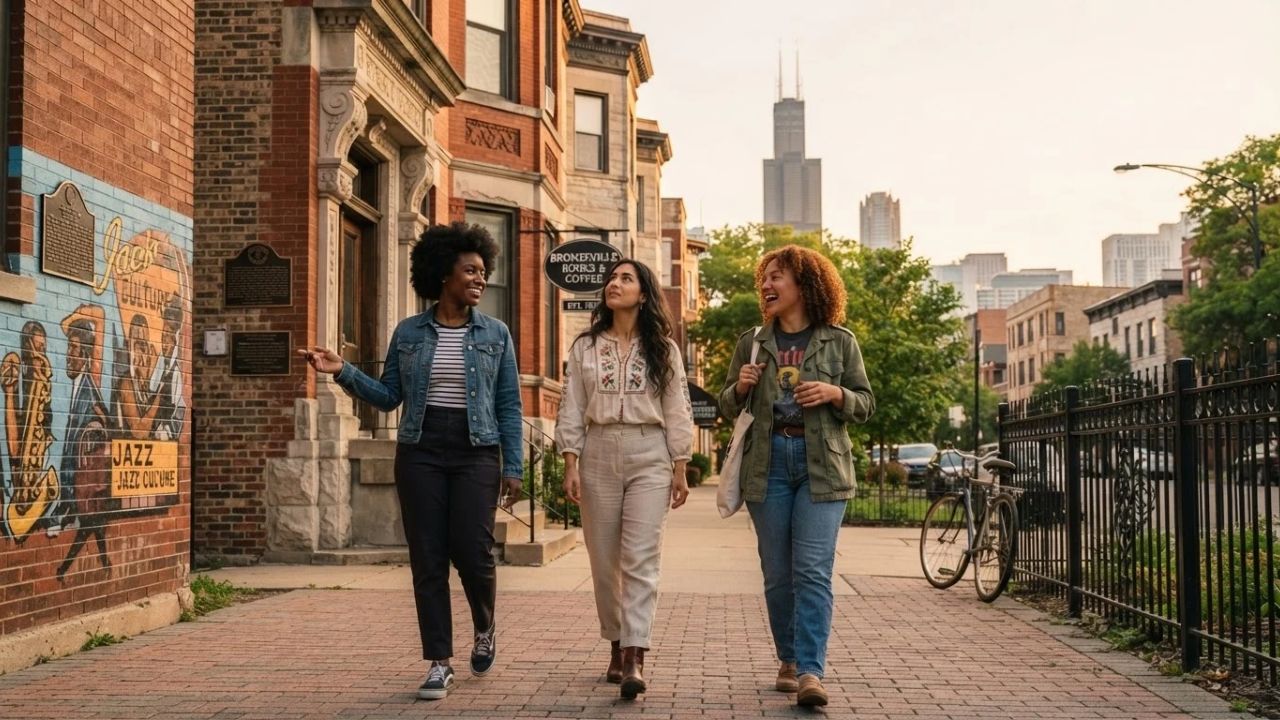
Welcoming over 55 million annual visitors, Chicago is experiencing a major history tourism renaissance, drawing travelers past downtown landmarks into industrial roots, pioneering architecture, and historic migration enclaves like Bronzeville and Pilsen. Bolstered by initiatives from Choose Chicago and the Illinois Office of Tourism, the Midwestern metropolis is demonstrating how industrial memory, electric blues traditions, and immigrant narratives create a dynamic cultural travel destination.
The Local Trend Revealed: Beyond the Loop into Historic Neighborhood Enclaves
For decades, travelers associated Chicago primarily with Magnificent Mile shopping, lakefront museums, and towering skyscrapers. In 2026, the city's tourism narrative is undergoing a significant expansion. Visitors are increasingly exploring the living histories embedded in peripheral neighborhoods, tracing how shipping corridors, meatpacking yards, and successive waves of migration forged the modern American city.
According to Choose Chicago, the city welcomed more than 55 million visitors in 2023, reflecting a resilient post-pandemic recovery. A growing portion of this traveler demand is directed toward heritage experiences that interpret urban transformation, civil rights history, and neighborhood foodways.
Chronological Pillars of Chicago's Heritage Tourism
| Historical Era | Foundational Catalyst | Signature Traveler Experiences | Iconic Landmarks |
|---|---|---|---|
| Industrial Expansion | Union Stock Yards opening in 1865 | Exploring former manufacturing centers and rail corridors along the South Branch | Union Stock Yards Gate, Chicago Riverfront |
| Reconstruction & Rebirth | Great Chicago Fire of 1871 | Examining urban grid innovations and limestone survivals | Chicago Water Tower, Pumping Station |
| Pioneering High-Rise Era | Rise of Chicago School Architecture | Walking tours tracing masonry engineering to steel skeletons | Monadnock Building, The Rookery, Willis Tower |
| The Great Migration | African American Southern migration | Visiting historic jazz and blues clubs, literary sites, and community centers | Bronzeville, Sunset Cafe, 47th Street corridor |
| Latin American Migration | Mexican American community settlement | Self-guided street art walks, bakeries, and community museums | Pilsen, 18th Street murals, National Museum of Mexican Art |
The narrative begins along the Chicago River, where early traders recognized the strategic portage linking the Great Lakes with the Mississippi River basin. By 1865, the opening of the Union Stock Yards transformed Chicago into the meatpacking capital of the world, drawing hundreds of thousands of European immigrants and southern domestic migrants into thriving factory districts.
When the Great Chicago Fire of 1871 devastated central commercial blocks, the city’s reconstruction catalyzed the birth of modern skyscraper engineering. Surviving stone landmarks, such as the 1869 castellated Chicago Water Tower, stand alongside structural milestones like the 1891 Monadnock Building—the world's tallest load-bearing masonry commercial building—and the iconic 110-story Willis Tower, illustrating architectural evolution across three centuries.
Cultural & Environmental Value: Community Preservation and Rail Connectivity
Chicago's history tourism model champions sustainable urban preservation, redistributing economic benefits directly into neighborhood economies:
- Transit-Oriented Exploration via CTA: The Chicago Transit Authority (CTA) train network connects heritage districts without vehicle congestion. Travelers ride the Green Line directly into Bronzeville or the Pink Line to Pilsen, minimizing carbon footprints while integrating seamlessly with O’Hare International Airport (Blue Line) and Chicago Midway International Airport (Orange Line).
- Preserving Grassroots Storytelling: The National Park Service (NPS) and the City of Chicago Department of Cultural Affairs and Special Events (DCASE) actively fund community-driven preservation programs. In Bronzeville, heritage markers honor Black journalists, entrepreneurs, and blues icons who shaped 20th-century electric blues.
- Architectural Stewardship: Educational walking tours organized through the Chicago Architecture Center (CAC) highlight adaptive reuse projects, demonstrating how former industrial warehouses are repurposed into sustainable artist cooperatives and community spaces.
For the visitor, the real impact is an immersive encounter with living history: hearing electric blues guitar licks in neighborhood taverns where Muddy Waters performed, or conversing with local muralists along 18th Street in Pilsen.
Visitor Insider Tips: Navigating Historic Chicago Like a Specialist
Travelers planning an immersive cultural itinerary across Chicago should note several practical guidelines:
- Optimal Weather Windows: Late spring (May to early June) and autumn (September to mid-October) provide crisp, comfortable temperatures ideal for walking architecture tours and neighborhood street wandering. Avoid visiting during major festival closures if your focus is unhurried heritage exploration.
- CTA Ventra Transit Strategy: Purchase a CTA 3-day or 7-day unlimited ride pass via the Ventra app for convenient boarding across all 'L' elevated train lines and city buses, bypassing heavy Loop parking fees.
- Hidden Architectural and Heritage Enclaves:
- Pullman National Historical Park: Located on the Far South Side, this 1880s planned industrial town preserves executive mansions, factory clock towers, and historic rowhouses constructed for Pullman railcar workers.
- Graceland Cemetery: A serene Victorian park cemetery in Uptown featuring intricate monuments and resting places of legendary architects Daniel Burnham, Louis Sullivan, and Ludwig Mies van der Rohe.
- Glessner House: Situated in the Prairie Avenue Historic District, this 1887 H.H. Richardson masterwork pioneered fortress-like Romanesque residential design in the Midwest.
- Cultural Etiquette:
- In community neighborhoods like Pilsen and Bronzeville, support independently owned bakeries, bookstores, and taquerias rather than national corporate chains.
- At traditional hot dog stands, never ask for ketchup on a Chicago-style hot dog; local food etiquette expects yellow mustard, neon relish, and celery salt.
- Local Culinary Specialties:
- Chicago-Style Hot Dog: An all-beef frankfurter served on a steamed poppy-seed bun, "dragged through the garden" with yellow mustard, bright green relish, chopped white onions, tomato wedges, pickle spears, sport peppers, and celery salt.
- Authentic Italian Beef: Thinly sliced seasoned roast beef served on French bread, ordered "dipped" in rich gravy juices and topped with spicy pickled giardiniera at historic spots like Al’s or Mr. Beef.
- Deep-Dish and Tavern-Style Pizza: Sample rich cornmeal-crust deep-dish at Lou Malnati’s, or order square-cut, thin-crust tavern-style pizza favored by longtime neighborhood residents.
- Pilsen Carnitas: Savor slow-simmered, tender pork carnitas served with fresh handmade corn tortillas and salsa verde along 18th Street.
Tourism Outlook: Sustainable Urbanism Anchored in Identity
Chicago’s deliberate pivot toward history and neighborhood tourism reflects a mature destination strategy that transcends traditional sightseeing.
By linking world-class architectural preservation with the living traditions of the Great Migration, industrial engineering, and vibrant ethnic communities, Chicago provides global travelers with an authentic, multidimensional exploration of the American city.
Related Travel Guides
Disclaimer
This article is for informational and educational purposes only. It does not constitute legal, financial, or professional advice. While we strive to provide accurate and up-to-date information, travel policies, regulations, and conditions change rapidly. Always verify information with official sources before making travel decisions. Nomad Lawyer makes no representations about the accuracy, reliability, completeness, or suitability of the information provided. Readers should consult qualified professionals for advice specific to their circumstances. The views expressed in this article are those of the author and do not necessarily reflect the views of Nomad Lawyer.
Kunal K Choudhary
Co-Founder & Contributor
A passionate traveller and tech enthusiast. Kunal contributes to the vision and growth of Nomad Lawyer, bringing fresh perspectives and driving the community forward.
Learn more about our team →