
Windsor Deploys $317 Million Capital Budget to Reshape Waterfront Arts, Heritage, and Cross-Border Tourism

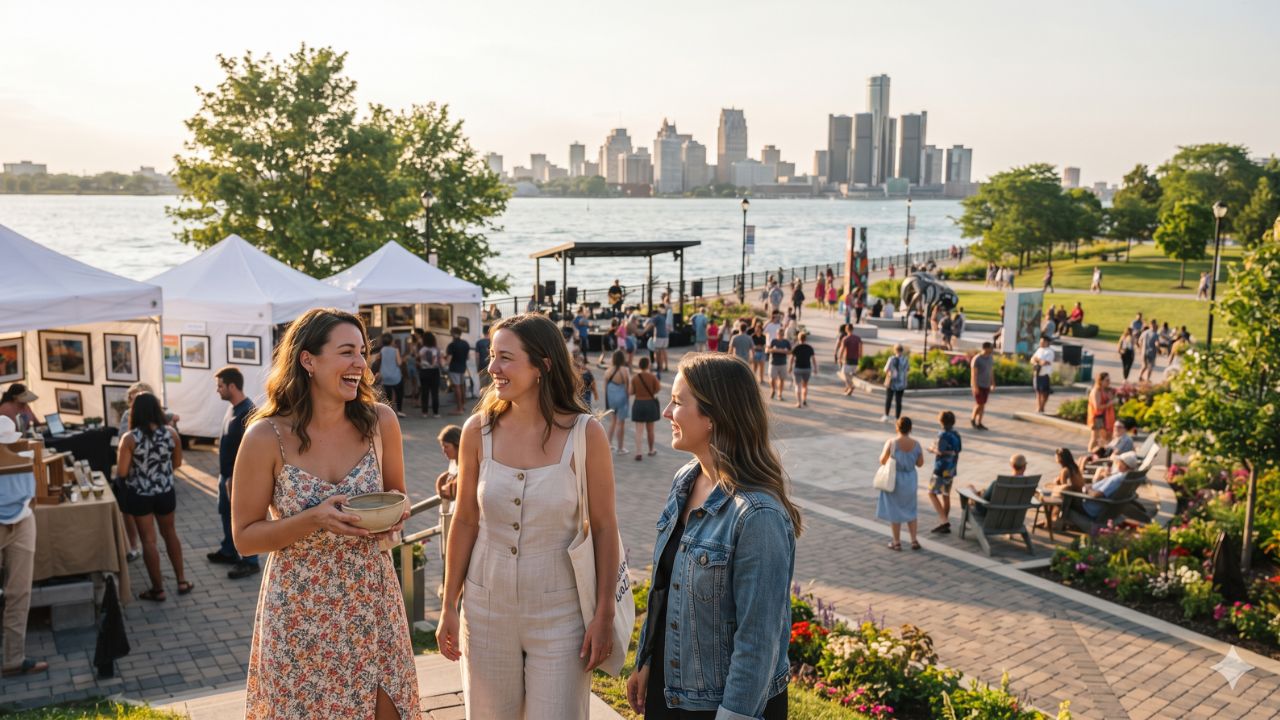
Backed by a record $317.3 million single-year capital outlay and an overarching $2.26 billion ten-year infrastructure plan, Windsor, Ontario, is systematically executing an urban transformation to shed its identity as a mere cross-border transit conduit. By channeling $29.9 million into municipal community services, parks, recreation, and cultural facilities in 2026, Canada's southernmost city is monetizing its Detroit River shoreline through civic festivals, public art, and Black emancipation heritage.
The coordinated investments, administered under guidelines from the City of Windsor and promoted by Tourism Windsor Essex Pelee Island, address a longstanding structural vulnerability: high border transit volume yielding low visitor dwell times. By distributing more than 50 free public events across all 10 municipal wards and funding heritage sites, municipal planners seek to turn day-trippers from Detroit and southern Ontario into multi-day cultural tourists.
Civic Programming: Experience Windsor and Waterfront Activation
The operational spearhead of this visitor strategy is Experience Windsor, a municipal initiative supported by up to $500,000 in funding. Structured into three core tracks—the Riverfront Summer Series, Staycation Activation, and Neighbourhood Nights—the program activated public parks and civic facilities through 50 free events.
Neighbourhood Nights decentralized entertainment, deploying local musical ensembles and food vendors across all 10 city wards rather than confining tourist activity to the downtown casino corridor. Along the international shipping channel, the Riverfront Summer Series utilized four public parks. Flagship events included:
- Great Canadian Riverfront: An open-air evening spectacle highlighted by a 400-drone aerial light show choreographed directly above the Detroit River.
- Riverfront Speakeasy: Staged at Michael D. Hurst Legacy Park, the program integrated live jazz with historical interpretations of Windsor’s rum-running and Prohibition eras.
- The Big Picnic & Riverfront Rewind: Large-scale community assemblies utilizing park lawns to stimulate patronage for adjacent riverside restaurants and cafes.
By staging events with the Detroit skyline as an immediate architectural backdrop, Windsor positions its riverfront as an active international amphitheater, attracting American visitors across the Ambassador Bridge and the Detroit-Windsor Tunnel.
Capital Allocations: Heritage Restoration and Eco-Tourism Assets
The 2026 capital plan allocates significant funding to physical heritage assets that translate historical archives into tangible public exhibits.
| Capital Project / Initiative | 2026 Municipal Investment | Operational Location & Physical Scope | Core Cultural & Traveler Asset |
|---|---|---|---|
| Citywide Capital Outlay (2026) | $317.3 million+ (Total annual) | Across all municipal departments | Baseline civic modernization and transportation infrastructure |
| Community Services & Culture | ~$29.9 million | Parks, community centers, and cultural assets | Upgrades to municipal recreation, public parks, and cultural spaces |
| Willistead Park Coach House | $400,000 restoration | Willistead Manor heritage estate | Historical artifacts, vintage bottles, Walker family exhibits, video tour |
| Emancipation Celebration Monument | $400,000+ commitment | Jackson Park commemorative grounds | 28-foot-wide by 15-foot-high arch, 3 murals, Walter Perry sculpture plaza |
| Experience Windsor Program | Up to $500,000 | 10 city wards & 4 riverfront parks | 50+ free public events including 400-drone show and Riverfront Speakeasy |
| Arts, Culture & Heritage Fund (ACHF) | $133,000 initial (+$47k ward funds) | Citywide micro-grants (529 funded since 2014) | Round 1: $66,500 awarded to 17 projects from 56 eligible applications |
| Peche Island Eco-Transit Service | Municipal recreational asset | 86-acre island at mouth of Lake St. Clair | Seasonal passenger shuttle ($13 round-trip), walking trails, Hiram Walker ruins |
Among the heritage projects, the Coach House Historical Exhibition at Willistead Manor received a $400,000 restoration in the 2026 budget. The expanded exhibit displays vintage distilling bottles, historical prints, and interpretive archives detailing the Hiram Walker industrial legacy, incorporating digital video tours previously hosted at the former Canadian Club Brand Centre.
At Jackson Park, the city committed over $400,000 to construct the Emancipation Celebration Monument. Commemorating Windsor's role as a major terminus of the Underground Railroad and the historic site of the "Greatest Freedom Show on Earth," the plaza features a decorative arch measuring 28 feet wide and nearly 15 feet high, accompanied by three historical murals, QR-coded interpretive educational stations, and dedicated space for a future commemorative bronze sculpture of festival pioneer Walter Perry.
For outdoor enthusiasts, the city expanded access to Peche Island, an 86-acre natural sanctuary situated in the Detroit River near Lake St. Clair. Departing from Lakeview Park Marina, municipal water shuttles transport visitors for $13 per seat. The island provides walking trails, sheltered canals, and preserved stone ruins of Hiram Walker's 19th-century summer residence, broadening the city's portfolio into regional eco-tourism.
Cultural Grants: Meeting Grassroots Artistic Demand
Complementing large capital projects, the Arts, Culture and Heritage Fund (ACHF) serves as the city’s micro-grant incubator. Since its inception in 2014, the fund has distributed more than $1.3 million to 529 individual and community projects.
For the 2026 fiscal cycle, the city established an initial funding pool of $133,000, supplemented by $47,000 in mayoral ward allocations. Demand from local creators significantly outstripped municipal supply: during the first funding round, 56 eligible applicants requested approximately $277,000, with 28 submitting proposals for the first time. The adjudication committee distributed $66,500 across 17 qualifying projects. This competitive grant process ensures a continuous stream of independent theatrical performances, literary readings, and visual art installations that animate neighborhood streetscapes.
Expert Analysis: The Economics of Dwell Time and Cross-Border Asymmetry
Windsor’s heavy capital deployment illustrates the municipal mechanics of transforming an international border town from an ephemeral transit point into an overnight destination.
For travelers booking trips across the Detroit–Windsor border, the direct consequence is access to low-cost, high-value cultural excursions. By combining completely free waterfront drone exhibitions and neighborhood concerts with affordable municipal attractions like the $13 Peche Island boat shuttle, international travelers can design weekend itineraries at a fraction of major metropolitan costs. Furthermore, favorable foreign exchange rates provide American travelers an automatic 25% to 35% purchasing power discount across Windsor hotels and dining establishments.
The pricing pressure this creates means independent restaurants in neighborhoods like Walkerville and Little Italy benefit directly from extended visitor dwell times. When tourists travel to Jackson Park to view the Emancipation Monument or stroll Willistead Park's historic grounds, commercial spending disperses away from corporate hotel chains along Riverside Drive into family-owned dining and retail establishments.
However, a critical policy distinction remains between approved municipal outlays and political projections. While Mayor Drew Dilkens has advocated for making Experience Windsor a permanent operational line item and expanding neighborhood tourism budgets, these expansions require formal annual ratification by Windsor City Council. Travelers planning future itineraries should rely on confirmed municipal calendar releases promoted through Destination Ontario rather than advance speculative political commitments.
Key Takeaways
- $317.3 Million Capital Outlay: Windsor’s 2026 municipal budget allocates $317.3 million in capital projects and $29.9 million to parks, facilities, and culture within a broader $2.26 billion 10-year master plan.
- 50+ Free Waterfront Events: Supported by up to $500,000, the Experience Windsor program rolled out across all 10 city wards, featuring a 400-drone riverfront display and Prohibition-themed speakeasy events.
- Major Heritage Investments: Over $800,000 in dedicated heritage capital funds the Willistead Coach House restoration ($400,000) and the Jackson Park Emancipation Monument ($400,000+).
- Peche Island Eco-Access: An 86-acre island nature reserve with Hiram Walker historic ruins offers self-guided visits at $13 per round-trip boat ticket from Lakeview Park Marina.
- Grassroots Cultural Grants: The Arts, Culture and Heritage Fund has awarded over $1.3 million to 529 projects since 2014, with 2026 first-round grants delivering $66,500 to 17 cultural projects.
FAQ: Windsor Ontario Waterfront Tourism 2026
What is Experience Windsor?
Experience Windsor is a municipal cultural program offering over 50 free community and riverfront events, including drone shows, live music, and neighborhood festivals across all 10 city wards.
How do visitors reach Peche Island in Windsor?
Visitors can board a municipal passenger boat from Lakeview Park Marina for $13 per round-trip seat, accessing the 86-acre island's walking trails, canals, and historic ruins.
What is the new Emancipation Monument at Jackson Park?
It is a $400,000+ commemorative installation honoring Black freedom history, featuring an arch 28 feet wide and nearly 15 feet high, historical murals, and space for a Walter Perry sculpture.
Is the Willistead Park Coach House open to tourists?
Yes. A $400,000 municipal renovation restored the Coach House, creating an expanded historical exhibition detailing the Hiram Walker family and regional distilling heritage.
Related Travel Guides
- Detroit Hidden Neighborhoods: Hamtramck, Heidelberg, and Eastern Market 2026
- US Horror Tourism and Halloween Travel Economics Guide 2026
- Windsor Ontario Cross-Border Tourism and Detroit River Guide Reddit 2026
Along the swift currents of the Detroit River, Windsor demonstrates that the ultimate destination is built not on borders, but on the shared courage of its history and the open welcome of its public squares.
Disclaimer
This article is for informational and educational purposes only. It does not constitute legal, financial, or professional advice. While we strive to provide accurate and up-to-date information, travel policies, regulations, and conditions change rapidly. Always verify information with official sources before making travel decisions. Nomad Lawyer makes no representations about the accuracy, reliability, completeness, or suitability of the information provided. Readers should consult qualified professionals for advice specific to their circumstances. The views expressed in this article are those of the author and do not necessarily reflect the views of Nomad Lawyer.
Naina Thakur
Contributor & Travel Specialist
Travel enthusiast and legal writer covering visa regulations, responsible tourism, and cultural journeys across global destinations.
Learn more about our team →