Carmel-by-the-Sea Tourism Congestion Prompts Infrastructure Reviews


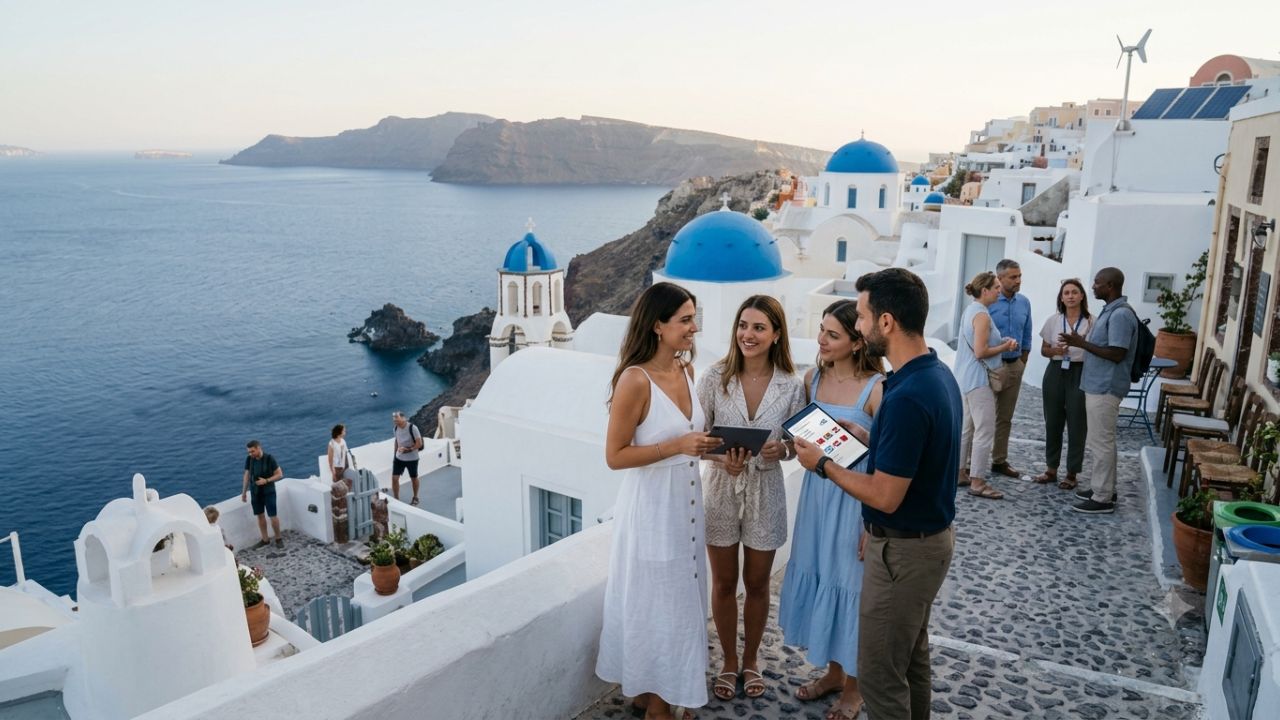
Image generated by AI
This comprehensive Carmel-by-the-Sea travel guide outlines how the Central Coast village is managing rising tourist numbers and local infrastructure pressure. Known for its storybook architecture, local art galleries, and pristine coastline, the destination faces challenges balancing parking and pedestrian flow.
Central Coast municipal archives confirm that the village was designed for a small resident population. The rising volume of summer weekend visitors has led to parking shortages and traffic delays, prompting municipal planners to review crowd-management options.
Central Coast Geography and Walkable storybook Architecture
Carmel-by-the-Sea provides an alternative to traditional commercialized resort towns. The village is characterized by a compact, walkable layout:
- Storybook Cottages: Historic architectural landmarks featuring unique, hand-crafted cottages.
- Art Galleries: Independent showrooms displaying works by local painters and sculptors.
- Carmel Beach: A white-sand beach lined with native Monterey pines, offering sunset views.
The compact municipal grid encourages walking, but parking space along the narrow avenues is limited.
Traffic Pressures and Small-Town Infrastructure Capacity
During peak holiday seasons, heavy traffic flow stretches local public facilities and roadways. The absence of traditional streetlights, street numbers, and parking meters—preserved to maintain historical character—complicates traffic flow:
- Parking Shortages: Limited curbside spaces fill early, driving cars into residential zones.
- Pedestrian Saturation: Walkable shopping courts experience heavy congestion during midday hours.
- Public Facilities Pressure: Local sanitation and park systems experience increased wear.
Unlike larger urban destinations, the village has few options to build parking structures without altering its historic character.
Economic Vitality and Sustainable Business Models
Tourism remains a primary driver for Carmel’s local economy. Visitors support independent hotels, cafes, art galleries, and boutique retailers.
Chambers of commerce are working with resident associations to encourage off-peak travel, promoting midweek visits during spring and autumn. This strategy aims to stabilize merchant revenue while reducing weekend traffic congestion.
Flight Gateways and Passenger Rights for California Visitors
For travelers flying to California’s Central Coast to visit Carmel-by-the-Sea:
- Airport Connections: The village is accessible via Monterey Regional Airport (MRY) (15 minutes), San Jose Mineta International (SJC) (1.5 hours), or San Francisco International (SFO) (2 hours).
- US DOT Delay Refund Protection: If a domestic flight to MRY, SJC, or SFO is canceled or delayed by more than three hours, and the passenger cancels, they are entitled to a full ticket refund.
- Overbooking Bumping Compensation: Under US DOT rules, if a traveler is involuntarily bumped due to overbooking on a U.S. airline, they are entitled to cash compensation up to 400% of the one-way fare, capped at $1,550.
- Car Rental Preparation: Visitors should book car rentals in advance to navigate the scenic Pacific Coast Highway.
Carmel-by-the-Sea Tourism Profile and Transit Guidelines
| Operational Parameter | Regional Specification | Direct Influence on Travel Plans | Recommended Traveler Actions |
|---|---|---|---|
| Walkable Village Grid | Under one square mile | Eliminates need for driving within town boundaries | Park once in municipal lots; explore on foot |
| Beach Access Zones | Carmel Beach boardwalk | Open public access; popular at sunset | Walk from downtown; avoid beach parking lots |
| Peak Visitor Hours | 11:00 AM – 3:00 PM | Heavy road congestion along Highway 1 | Plan dining and shopping during morning hours |
| Airport Transit | MRY, SJC, and SFO | Requires highway driving and rental car setups | Check US DOT refund rules on regional connections |
| Lodging Inventory | Independent boutique hotels | Limited room availability during summer | Book rooms weeks in advance to secure rates |
Why This Matters
For travelers on this route, the real impact is that Carmel's lack of street addresses means that GPS navigation can be unreliable, requiring visitors to look for cross-streets to find historic inns. From a logistical perspective, this means that drivers should utilize the free public parking lot at Vista Lobos on the edge of town to avoid looping residential streets in search of space. Beachgoers should bring warm layers, as Central Coast ocean breezes drop temperatures rapidly during summer afternoons.
Industry Outlook
Regional councils are testing smart parking apps to direct drivers to vacant spaces before they enter downtown avenues. As state highways install automated traffic sensors, congestion on coastal routes will decrease. Over the next year, expect transit ministries to fund electric shuttle loops to carry visitors from regional park-and-ride lots to the beachfront. This transport system will reduce municipal emissions.
Related Travel Guides
This article is for informational purposes. Flight routes, passenger regulations, visa rules, and transit advisories are subject to change by airlines and aviation authorities. Readers are advised to verify schedules and travel documentation with relevant carriers and border agencies before departure.
Related Stories
Europe’s Premier Destinations Reshape Tourism: Barcelona, Venice, and Canary Islands Impose New Caps, Fees, and Housing Rules
Barcelona Leads European Overtourism Clampdown with Heavy Tourist Tax Hikes Across Short-Stay Lodging